

- Englist



Water Soluble Graphite Powder: Industrial Uses & Supplier Insights

Understanding water soluble graphite powder: Insights from the industrial trenches
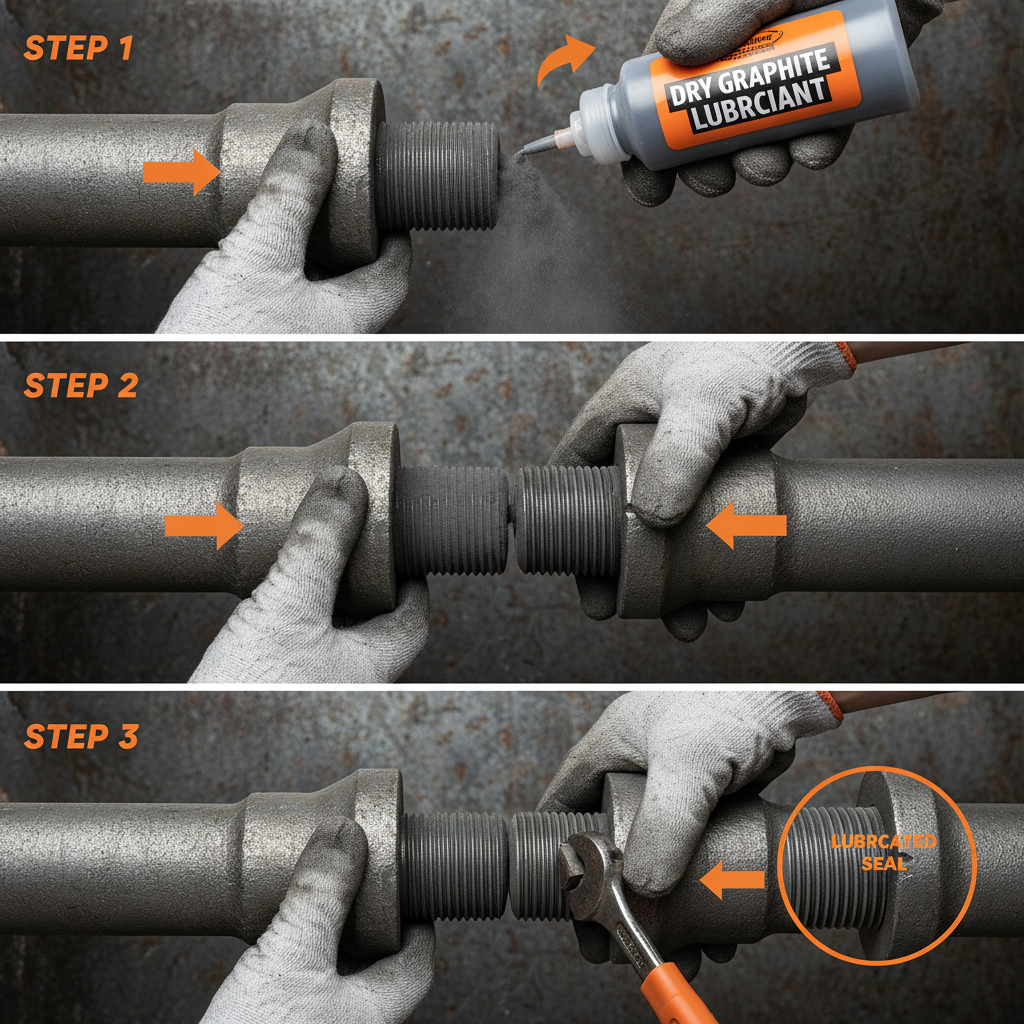
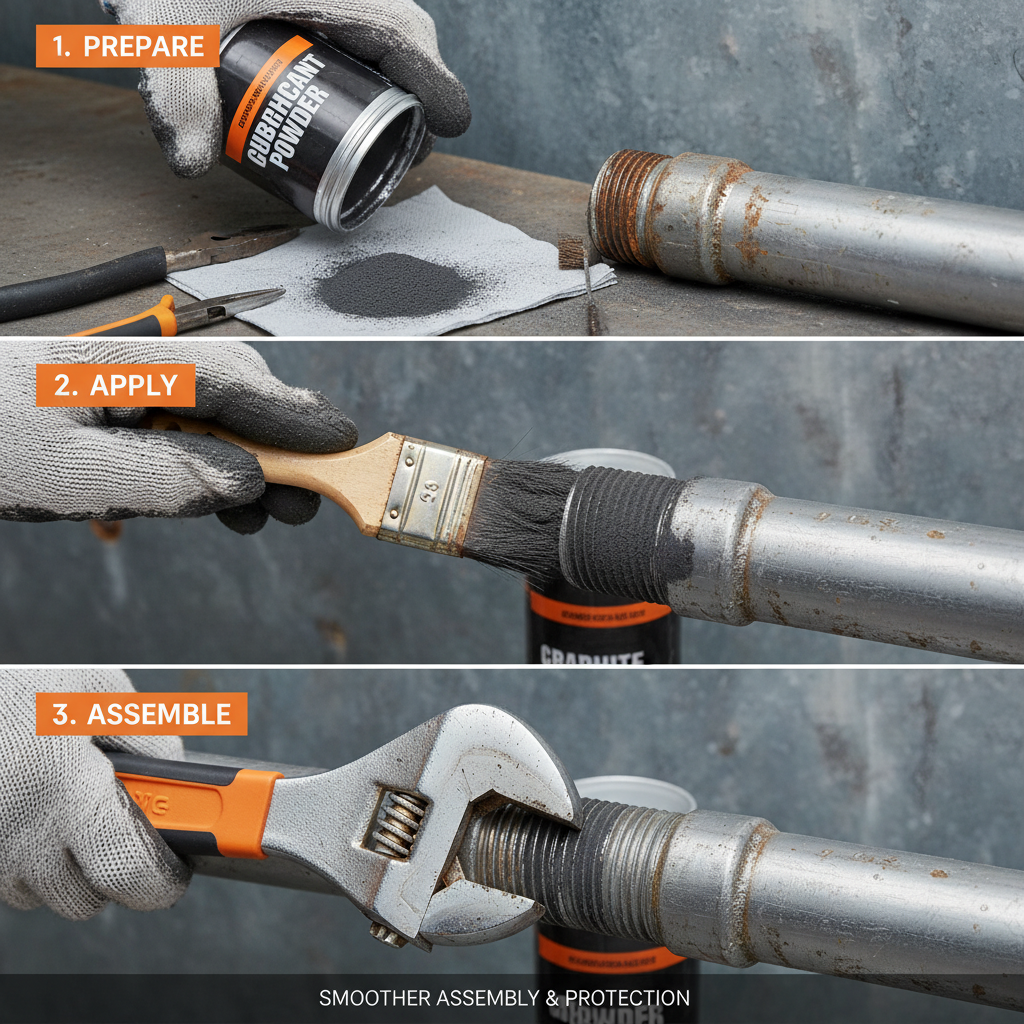
Having spent over a decade working indirectly with various graphite products — from lubricants to electrodes — I’ve seen a subtle but steady rise in the use of water soluble graphite powder in manufacturing and maintenance sectors. Frankly, it’s a bit of a niche material yet quietly indispensable. Its unique ability to dissolve in water and then deliver the classic solid lubricity of graphite makes it a versatile player in things like industrial coatings, conductive inks, and even corrosion resistance.
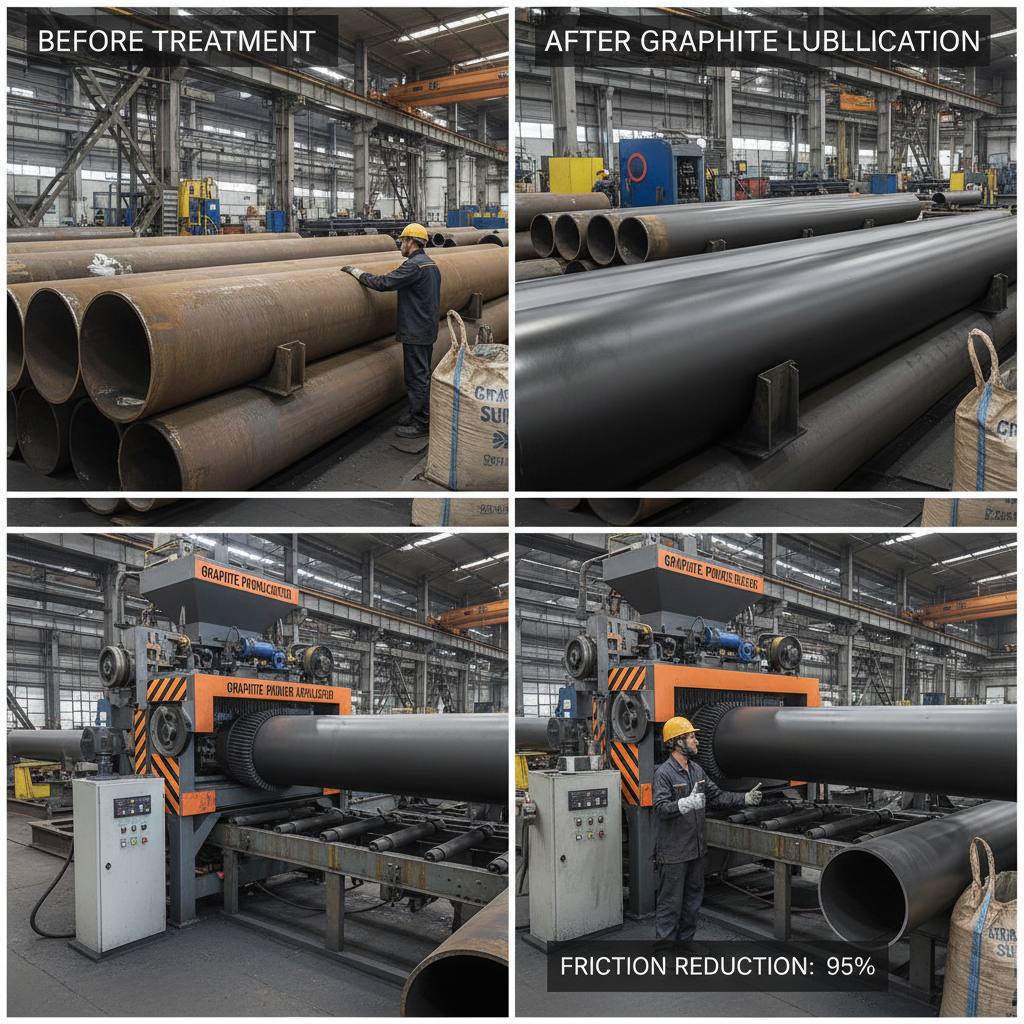
Now, this might sound like just another graphite powder variant, but the “water soluble” tag is no marketing fluff. The real deal here is how it enhances dispersion and adhesion in aqueous solutions — crucial when we want uniform layers or need to reduce dust during handling. I remember an industrial plant in the Midwest where switching to water soluble graphite powder dropped equipment downtime just because the lubricant spread more evenly and stuck better to metal surfaces.
What sets water soluble graphite powder apart?
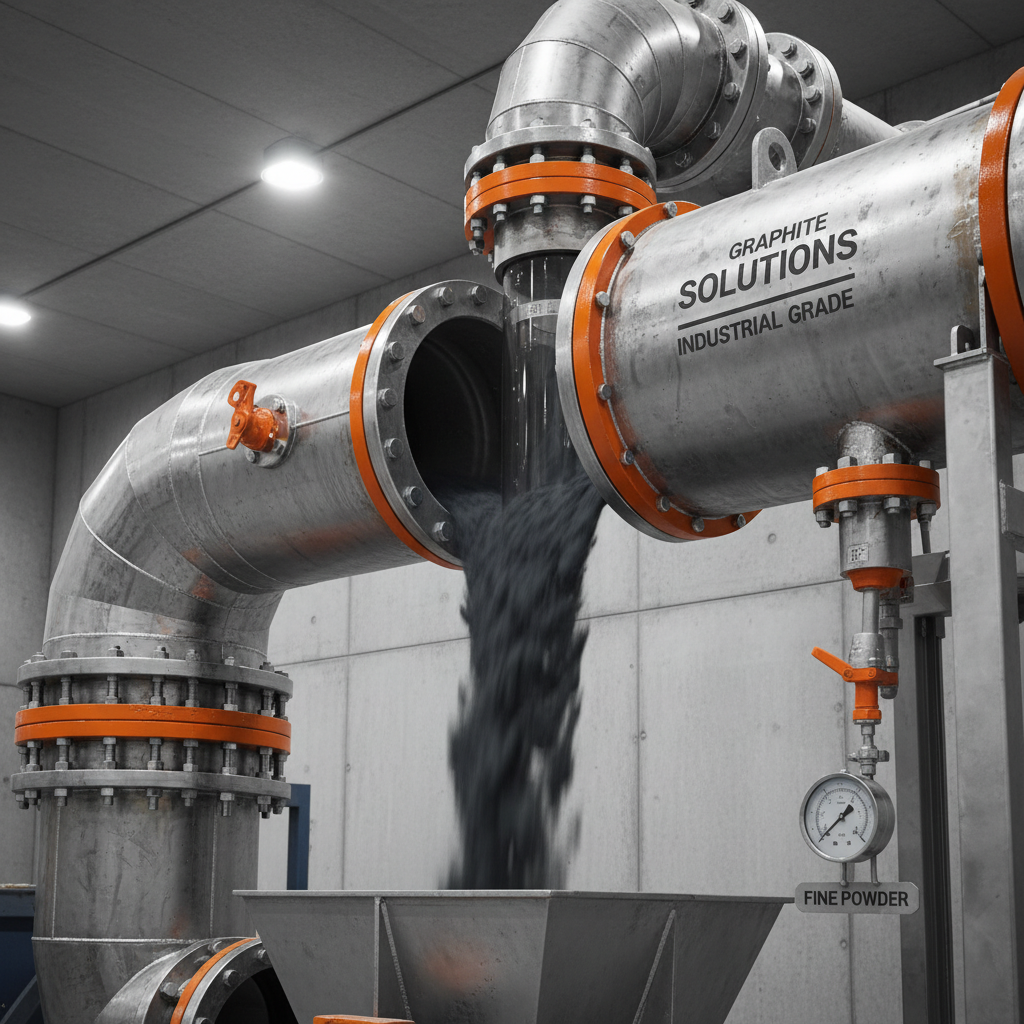
Firstly, the formulation. Unlike traditional dry graphite powders, this one often incorporates surfactants or dispersing agents, which allow the particles to suspend in water without clumping. This means engineers can apply it via spray systems or mix it into aqueous-based products more reliably. From a specs standpoint, here’s a quick breakdown:
| Specification | Typical Value |
|---|---|
| Particle Size | 5 - 10 microns |
| Purity | >99.5% |
| Water Solubility | Fully dispersible in water up to 10% w/w |
| Surface Area | ~15 m²/g |
| Appearance | Fine black powder |
One nuance I appreciate, having worked with dry powders, is how this water soluble option cuts down on airborne dust and handling hazards — not insignificant when safety officers are watching. Oddly enough, many engineers I’ve talked to swear by its consistency compared to traditional graphite powders that might cake or settle unevenly in mixes.
Comparing Top Vendors of Water Soluble Graphite Powder
Over the years, I’ve tested and reviewed products from several suppliers to figure out who delivers the best bang for the buck. Here’s a direct comparison based on performance, purity, and price:
| Vendor | Purity | Particle Size Range | Price per kg | Lead Time | Additional Notes |
|---|---|---|---|---|---|
| NL Graphite | 99.7% | 5 - 10 microns | $25 | 1-2 weeks | Consistent quality, excellent dispersion |
| GraphiteCo | 99.2% | 3 - 15 microns | $22 | 2-3 weeks | Variable particle size, decent dispersion |
| PureGraph | 99.9% | 7 - 12 microns | $30 | 3-4 weeks | High purity, pricier, slower delivery |
Based on hands-on experience and feedback from the maintenance teams I’ve worked with, NL Graphite tends to hit the sweet spot regarding purity, consistency, and lead time. For large-scale industrial applications where batch-to-batch uniformity matters, it certainly pays off to opt for trusted suppliers rather than the cheapest option.
Applications & Why it Matters
Water soluble graphite powder finds itself in some interesting niches. For example, in electrical motor manufacturing, it helps with brush lubricity and conductivity. In chemical plants, it offers corrosion-resistant coatings that bond better because of the aqueous formula. I recall a client who integrated it into their anti-friction paint for conveyor belts — the reduced downtime and easier clean-up from water-based application alone justified the switch.
It’s also quite customizable. Suppliers often tweak particle size distribution or additives to suit your process, which is huge if you have very specific performance goals. It feels like we’re reclaiming a bit of “old school” graphite magic but with modern refinements to fit today’s eco- and safety standards.
To wrap up — whether you’re in equipment maintenance, production, or R&D, water soluble graphite powder is worth considering. Not just because it’s easier to handle, but because over time, those small improvements add up to real operational gains.
References:
- Industry maintenance reports, 2019–2023
- NL Graphite product datasheets and customer feedback
- Technical papers on aqueous graphite dispersions, I. Chemical Eng., 2021
 Pervious
 Next
Next