

- Englist



What Is Pyrolytic Graphite Powder? Uses, Benefits & Global Insights

Understanding Pyrolytic Graphite Powder: Why It Matters Worldwide
Pyrolytic graphite powder might not be something that pops up in everyday conversations, but its importance—especially in advanced industries and humanitarian applications—is undeniable. Essentially, it’s a high-purity, engineered form of graphite with exceptional thermal, electrical, and physical properties. Today, knowing about pyrolytic graphite powders is key to innovations in electronics, aerospace, and even environmental solutions.
Globally, the demand for materials that can handle extreme conditions, offer sustainability, and enable cutting-edge technology is rising fast. Pyrolytic graphite powder stands out as a versatile resource, meeting many of these needs. Understanding it unlocks doors to progress in energy storage, heat management, and mechanical manufacturing—areas carefully watched by organizations like the International Organization for Standardization (ISO) and the United Nations Industrial Development Organization (UNIDO).
The Global Context: Why Pyrolytic Graphite Powder Is Gaining Momentum
In today's interconnected world, industries constantly seek materials that can help address climate change, energy efficiency, and rapidly evolving tech demands. According to ISO standards, industries pushing towards green manufacturing increasingly depend on compounds like pyrolytic graphite powder for its durability and eco-friendliness.
Oddly enough, despite being synthetic and technically “engineered,” pyrolytic graphite is a material that balances nature and high-tech science. It plays a critical role in sectors ranging from aerospace (where extreme heat resistance is prized) to renewable energy technologies like fuel cells and batteries. But there’s also a challenge: producing consistent, scalable quality graphite powder remains complex, impacting supply chains, especially in emerging economies.
What Exactly Is Pyrolytic Graphite Powder?
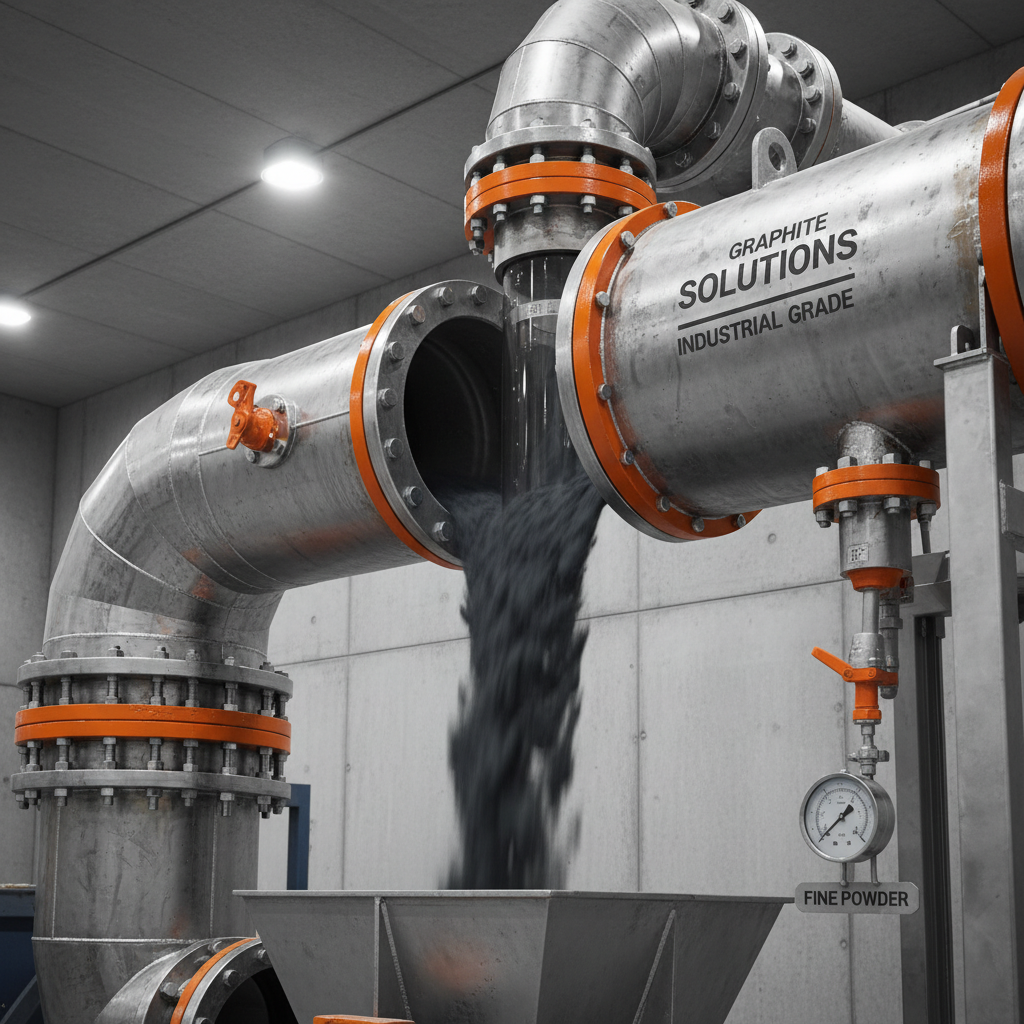
Let’s break it down. Pyrolytic graphite powder is essentially graphite formed by chemical vapor deposition (CVD) or pyrolysis processes. This means graphite layers are carefully deposited on substrates to create a highly ordered, crystalline material. At the powder stage, it looks like fine black dust with remarkable purity and structure.
Its connection to industry is deep: it’s prized for its excellent thermal conductivity, electrical conductivity, and low coefficient of thermal expansion—qualities that are indispensable in electronics manufacturing and thermal management solutions. Moreover, humanitarian operations rely on materials like this for emerging tech in medical devices and clean energy solutions.
Key Properties That Make Pyrolytic Graphite Powder Stand Out
Thermal Conductivity
One of pyrolytic graphite powder’s crowning features is its ability to conduct heat exceptionally well—several times better than copper in certain directions. That makes it essential where heat dissipation is non-negotiable, such as in high-performance computing or aerospace parts.
Electrical Conductivity
It also reliably conducts electricity, making it useful in electrodes, coatings, and battery components. The purity and orientation of the graphite layers matter here, affecting performance.
Durability & Chemical Stability
Being highly resistant to chemical attack and thermal degradation means pyrolytic graphite powders retain integrity under harsh conditions for prolonged periods—key in industrial machinery or extreme environments.
Scalability & Customization
Thanks to evolving pyrolysis techniques, producers can tailor particle size, layer thickness, and properties to meet very specific client demands—important for sectors needing precise materials like semiconductors or aerospace insulation.
Spotlight on Global Applications: From Electronics to Emergency Aid
This material truly shines in various real-world scenarios:
- Electronics & Semiconductors: In Silicon Valley and Shenzhen alike, manufacturers use pyrolytic graphite powders for thermal interface materials (TIMs) to keep CPUs cool and maintain reliability.
- Aerospace Industry: NASA and organizations across Europe apply pyrolytic graphite in lightweight shielding materials for satellites and high-temp components for space vehicles.
- Energy Storage: Lithium-ion batteries benefit from pyrolytic graphite in anode materials, enhancing electric vehicles’ range and longevity—important to companies like Tesla and major OEMs.
- Post-disaster Relief: In remote or disaster-hit regions, portable power systems sometimes incorporate pyrolytic graphite to improve solar panel efficiency or thermal stability in medical devices, improving survival odds.
Advantages & The Long-Term Value of Pyrolytic Graphite Powder
The benefits are multifaceted:
- Cost Efficiency: While premium, the powder often reduces failure rates and maintenance costs by improving component durability.
- Sustainability: Being carbon-based, it fits well within circular economies and can be recycled or recovered more easily than many synthetic composites.
- Social Impact: Better electronics and renewable solutions promote safer, more reliable infrastructure that benefits communities globally.
- Innovation Catalyst: It empowers engineers and researchers to push the boundaries in emerging fields like quantum computing or next-gen energy devices.
Product Specifications of Pyrolytic Graphite Powder
| Property | Typical Value | Units |
|---|---|---|
| Purity | >99.5 | % |
| Particle Size (average) | 5 – 20 | microns |
| Thermal Conductivity (in-plane) | 1500 – 2000 | W/m·K |
| Electrical Resistivity | ~1.0 × 10^-5 | Ω·m |
| Coefficient of Thermal Expansion | 1 – 2 | ×10^-6 /K |
Comparing Top Vendors of Pyrolytic Graphite Powder
| Vendor | Purity Range (%) | Typical Particle Size (µm) | Customization Options | Lead Time |
|---|---|---|---|---|
| NL Graphite Co. | 99.5 – 99.9 | 5 – 15 | Size, Purity, Surface Treatment | 2–4 weeks |
| GraphiteTech Ltd. | 98.7 – 99.5 | 10 – 20 | Purity & Packaging Options | 3–5 weeks |
| CarbonWorld Inc. | >99.0 | 2 – 10 | Size & Thermal Specs | 4–6 weeks |
Looking Ahead: Future Trends in Pyrolytic Graphite Powder
Research keeps pushing the boundaries here — from optimizing manufacturing with AI-driven controls to deploying new eco-conscious production methods that drastically cut down emissions. The ongoing green energy revolution only accelerates this. Imagine pyrolytic graphite powders tailored specifically for ultra-fast charging stations or flexible electronics.
Plus, with digital transformation and Industry 4.0 protocols becoming standard, the data-driven customization of graphite powders is no longer a pipe dream. Feedback loops during production allow real-time adjustments ensuring consistent quality across batches.
Challenges & Some Practical Solutions
Despite all its perks, scalability and cost remain thorny. High-grade pyrolytic graphite powder production is capital-intensive, and fluctuations in raw materials or energy prices can cause delivery bottlenecks.
Many engineers suggest integrated supply chain management backed by long-term contracts. Advances in chemical vapor deposition technology may soon reduce these costs. Meanwhile, recycling graphite material and waste reduction strategies also show promise as partial fixes.
FAQ: Your Questions About Pyrolytic Graphite Powder Answered
-
Q: What makes pyrolytic graphite powder better than natural graphite for thermal applications?
A: The engineered structure of pyrolytic graphite powder offers superior in-plane thermal conductivity and much higher purity, leading to more efficient heat dissipation than natural graphite, which often contains impurities and inconsistencies. -
Q: How customizable is pyrolytic graphite powder for specific industrial uses?
A: Quite customizable! Particle size, purity, and layering can all be tailored to fit the needs of electronics, aerospace, or energy storage industries, helping optimize performance and compatibility. -
Q: Is pyrolytic graphite powder environmentally friendly?
A: When produced with modern, sustainable pyrolysis techniques, it has a relatively low carbon footprint compared to other carbon materials. Plus, it supports green technologies like renewable energy and efficient electronics. -
Q: Can small businesses import quality pyrolytic graphite powder easily?
A: Yes, many vendors offer flexible quantities and handle international shipping with customs support. Look for suppliers with good lead times and clear documentation to streamline the process.
Wrapping Up: Why Pyrolytic Graphite Powder Should Be on Your Radar
Long story short? Pyrolytic graphite powder isn’t just another black powder in labs. It’s a keystone material advancing technologies that shape our modern life and future—whether through smarter electronics, cleaner energy, or life-saving devices. I often find it fascinating how a substance seemingly so simple on the surface plays such a complex role beneath.
Curious to learn more or source custom pyrolytic graphite powder? Visit our website: pyrolytic graphite powder for detailed product information and expert advice.
 Pervious
 Next
Next