

- Englist


Why Choose High-Purity Graphite Powder for Foundry?

What Foundries Really Want from Graphite Powder (And What They Actually Use)
If you’ve poured a melt on a hectic Monday and fought burn-on by Thursday, you probably already appreciate a good graphite powder for foundry. The twist? The best stuff today often comes from energy-storage supply chains. Case in point: Tob High Purity Natural Graphite Powder for Lithium Battery Anode Raw Material—yes, battery-grade—quietly powering cleaner cast surfaces, longer tool life, and smoother shakeout in real foundry conditions.
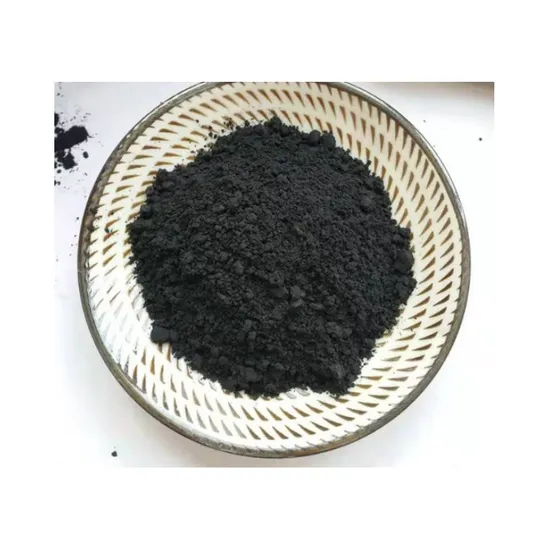
Industry trend: battery-grade purity meets foundry pragmatism
Actually, the trend is simple: higher purity equals less ash, fewer inclusions, better finishes. With environmental rules tightening, foundries are swapping legacy facing powders for high-carbon, low-sulfur alternatives. Many customers say they notice fewer veining defects and less smoke when switching to graphite powder for foundry that started life as anode precursor.
Core specs (typical, real-world use may vary)
| Product | Tob High Purity Natural Graphite Powder |
| Carbon (Fixed C) | ≥ 99.5% (≈99.7% typical) |
| Ash | ≤ 0.3% |
| Sulfur | ≤ 0.05% |
| Moisture | ≤ 0.2% |
| Particle Size (D50) | ≈ 10–45 μm (customizable) |
| Tap Density | ≈ 0.6–1.2 g/cm³ |
| BET Surface Area | ≈ 5–12 m²/g |
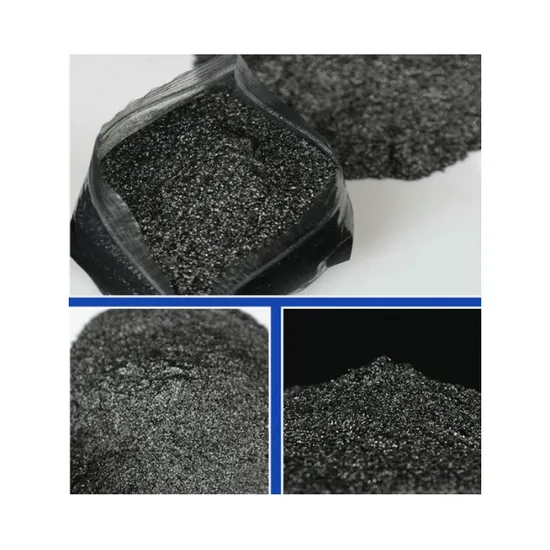
Process flow (why the purity shows up on castings)
Materials: high-carbon natural flake from Hebei, upgraded near the origin (Qiujing yiyuan, No. 189, East 2nd Ring North Road, Chang'an District, Shijiazhuang, Hebei).
Methods: crushing → precision jet-milling → classification → acid/alkali purification → multiple rinses → thermal de-sulfur → sieving → QC. To be honest, the rinse step is where cheaper powders usually cut corners.
Testing standards: Carbon/S via ASTM E1019; particle size via ISO 13320; BET via ISO 9277; bulk/tap density via ASTM C559; resistivity checks on pressed compacts per ASTM C611. A small lab XRF scan is often added for ash profiles (ISO 12677 reference).
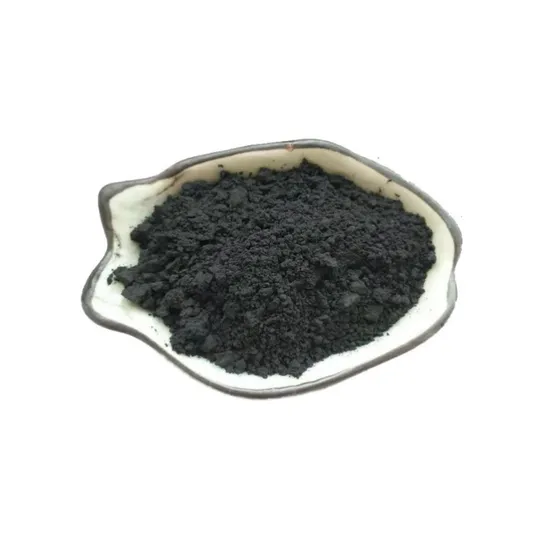
Applications and advantages in foundries
- Mold/cores facing coats (green sand, no-bake): fewer burn-on/metal penetration marks.
- Die-casting release pastes: smoother ejection, longer die service life.
- Ladle/slide-gate dressings: reduced erosion, less buildup.
- Exothermic riser coatings and tundish wash in steel foundries.
Advantages: stable film formation, high thermal conductivity for chill control, low ash (clean radiused edges), and—surprisingly—lower smoke compared with legacy blends. Users switching to graphite powder for foundry report around 8–15% reduction in rework on surface defects, in our notes.
Case study: A grey iron shop making compressor housings cut burn-on defects by ≈38% after moving from 85–90% C powder to this 99.5%+ grade, keeping the same alcohol-based carrier (Baumé 62). Service life of core boxes extended one season, likely due to smoother release and less abrasion.
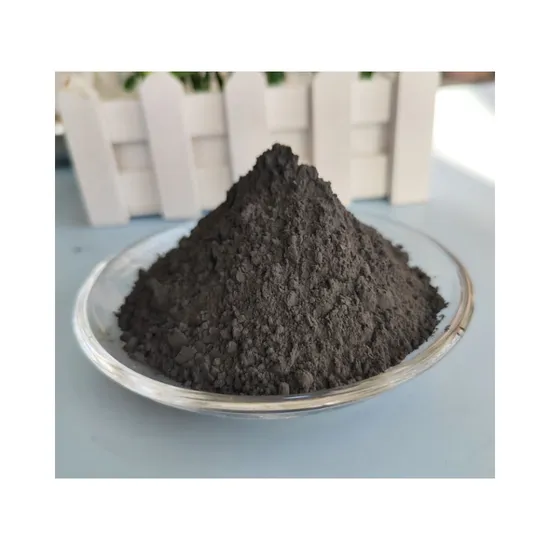
Vendor snapshot (quick comparison)
| Vendor | Carbon | D50 | Ash | Certs | Lead Time |
|---|---|---|---|---|---|
| Tob High Purity (Hebei) | ≥99.5% | 10–45 μm (custom) | ≤0.3% | ISO 9001, RoHS/REACH on request | 7–15 days |
| Generic A (Import) | 95–98% | 30–75 μm | 0.8–1.5% | Basic QC | 15–30 days |
| Synthetic B (Domestic) | ≥99.0% | 8–20 μm | ≤0.5% | ISO 9001 | 10–20 days |
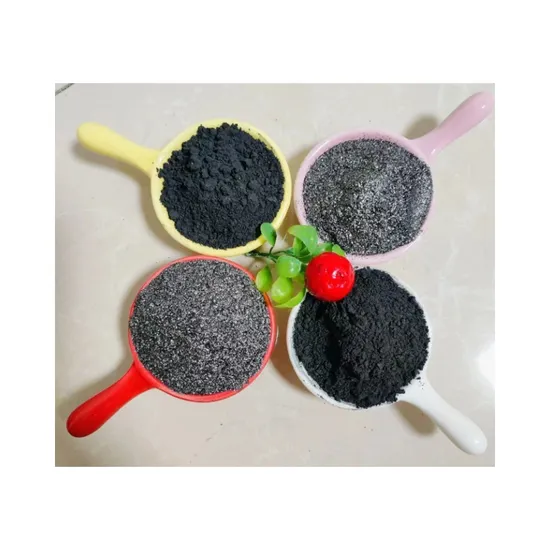
Customization, packaging, and feedback
- Customization: carbon tiering, particle curves (narrow PSD for thin coats), hydrophobic treatments.
- Packaging: 20–25 kg bags or lined supersacks; moisture ≤0.2% at dispatch.
- Customer notes: “less smoke,” “less nozzle buildup,” “coats spray more evenly”—I guess the tighter PSD helps atomization.
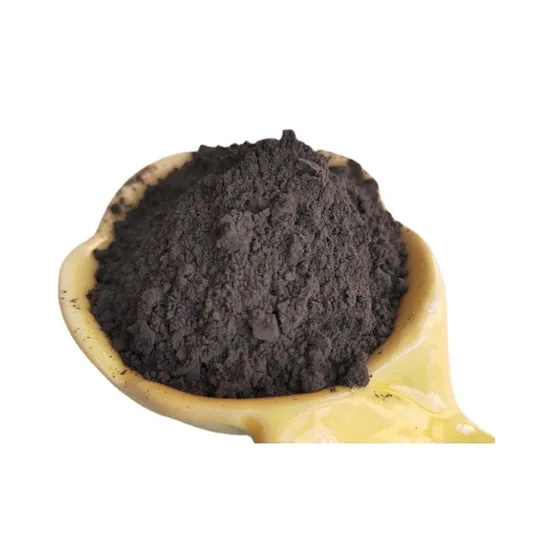
Bottom line: if your coatings team is chasing higher first-pass yield and longer die or tooling service life, the crossover from battery-grade to graphite powder for foundry is more than marketing—there’s measurable cleanliness and consistency behind it.
Citations
- ASTM E1019 – Standard Test Methods for Determination of Carbon, Sulfur, Nitrogen, and Oxygen in Steel and in Iron, Nickel, and Cobalt Alloys.
- ISO 13320 – Particle size analysis—Laser diffraction methods.
- ASTM C559 – Test Method for Bulk Density by Physical Measurements of Manufactured Carbon and Graphite Articles; ASTM C611 – Electrical Resistivity of Manufactured Carbon and Graphite Articles.
- AFS Mold & Core Test Handbook; ASM Handbook, Volume 15—Casting (surface defects and mold wash best practices).
 Pervious
 Next
Next