

- Englist



Ash 3 Max Graphite Electrode Paste - Nalai Biotechnology | Thermal Shock Resistance, Customization

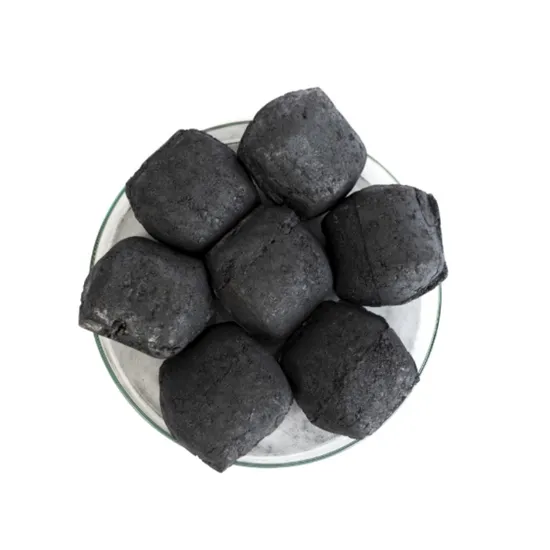
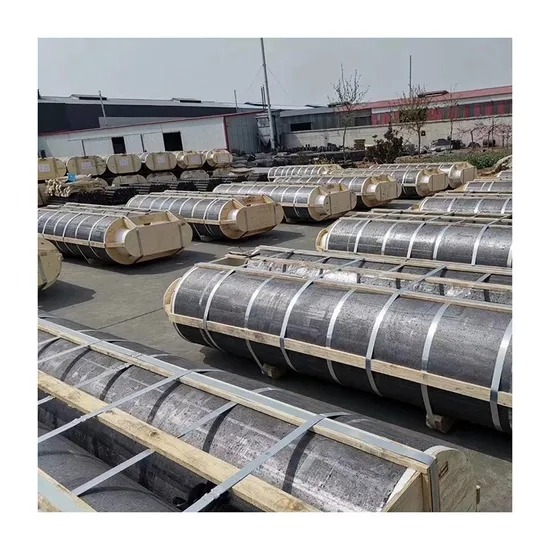
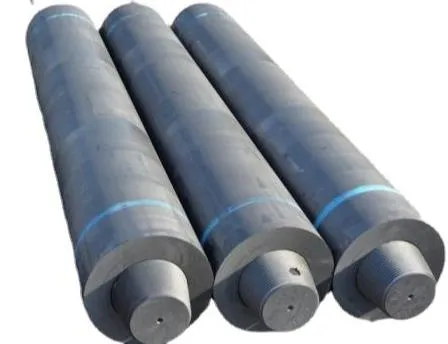
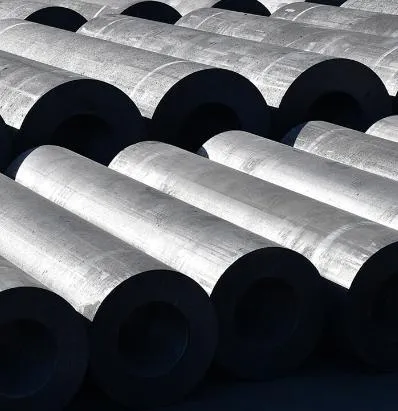
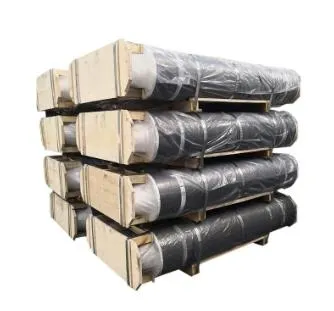
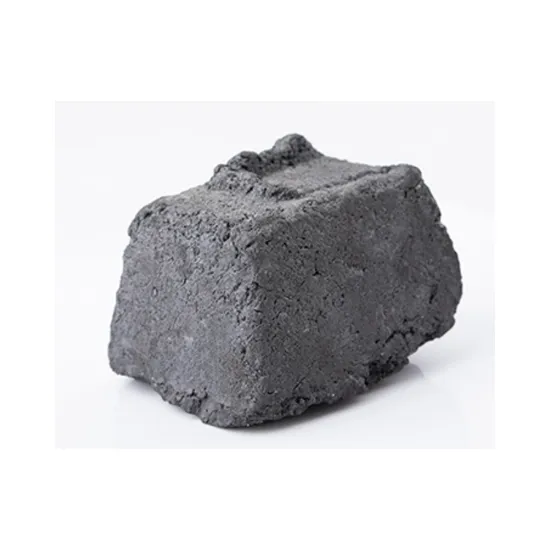
The Ash 3 Max Graphite Electrode Paste is a specialized material designed for use in calcium silicon applications, offering a blend of durability, thermal resistance, and customization. Developed by Shijiazhuang Nalai Biotechnology Co., Ltd, this product exemplifies the intersection of advanced materials science and industrial efficiency. This article explores its features, advantages, technical specifications, application scenarios, and the company’s background, supported by authoritative references from the National Institute of Standards and Technology (NIST).
Product Overview
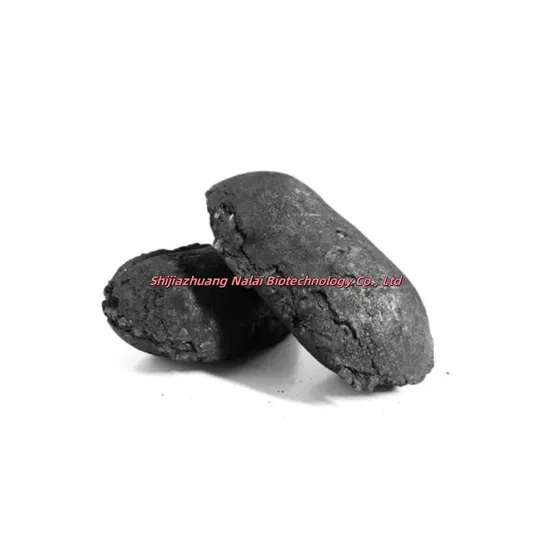
The Ash 3 Max Graphite Electrode Paste is a high-performance material tailored for use in calcium silicon production. It is engineered to withstand extreme thermal conditions while maintaining structural integrity. The product’s versatility is highlighted by its customization options, allowing it to meet the specific needs of various industrial applications. Its dry production process ensures minimal environmental impact and enhanced safety during handling.
Key Features and Advantages
The Ash 3 Max Graphite Electrode Paste stands out due to its unique combination of properties. One of its most notable features is thermal shock resistance, which allows it to endure rapid temperature changes without degrading. This makes it ideal for use in high-temperature environments such as metallurgical furnaces and industrial ovens.
Another significant advantage is its customization capability. The product can be tailored to meet specific requirements, such as varying viscosity, density, and composition, ensuring optimal performance in diverse applications. This flexibility is particularly valuable in industries where precision and adaptability are critical.
The dry production process further enhances the product’s appeal. Unlike traditional methods that may involve liquid binders, the dry process reduces the risk of contamination and simplifies the manufacturing workflow. This results in a cleaner, more efficient production cycle, which is beneficial for both environmental sustainability and operational safety.
Technical Specifications
| Feature | Thermal Shock Resistance |
|---|---|
| Customization | Available |
| Classification | Electrode Paste |
| Specification | Customize |
| Trademark | NALAI |
| Place of Origin | China |
| Production Process | Dry |
Application Scenarios
The Ash 3 Max Graphite Electrode Paste is widely used in industries that require high-temperature processing. One of its primary applications is in the calcium silicon production process, where it serves as an electrode material in electric arc furnaces. Its thermal shock resistance ensures consistent performance even under fluctuating temperatures, reducing downtime and maintenance costs.
In the metallurgical industry, the paste is employed to manufacture silicon-based alloys. Its ability to maintain structural integrity at high temperatures makes it an ideal choice for applications involving molten metals. Additionally, the dry production process minimizes the risk of impurities, ensuring the purity of the final product.
The Ash 3 Max Graphite Electrode Paste also finds use in the electronics industry, where it is utilized in the production of carbon-based components. Its customization options allow manufacturers to adjust the paste’s properties to suit specific electronic applications, such as heat dissipation and electrical conductivity.
Company Background
Shijiazhuang Nalai Biotechnology Co., Ltd is a leading manufacturer of advanced materials, specializing in the production of graphite products. Based in China, the company has established itself as a reliable supplier of high-quality electrode pastes and carbon-based materials. With a focus on innovation and customer satisfaction, Nalai Biotechnology has built a reputation for delivering products that meet the rigorous demands of industrial applications.
The company’s commitment to quality is evident in its dry production process, which ensures the consistency and reliability of its products. This approach aligns with global standards for environmental sustainability and operational efficiency, making Nalai Biotechnology a preferred partner for industries seeking eco-friendly solutions.
Industry Standards and NIST References
The development and application of materials like the Ash 3 Max Graphite Electrode Paste are guided by industry standards that emphasize safety, performance, and sustainability. The National Institute of Standards and Technology (NIST) plays a critical role in establishing these standards, ensuring that materials meet the requirements for industrial use.
According to NIST, standards for materials used in high-temperature applications are essential for maintaining the reliability of industrial processes. These standards address factors such as thermal stability, mechanical strength, and chemical resistance, which are directly relevant to the performance of electrode pastes like the Ash 3 Max.
NIST’s research on thermal shock resistance in materials provides valuable insights into the behavior of graphite-based products under extreme conditions. This research underscores the importance of materials that can withstand rapid temperature changes without compromising their structural integrity, a key feature of the Ash 3 Max Graphite Electrode Paste.
Conclusion
The Ash 3 Max Graphite Electrode Paste is a testament to the advancements in materials science and industrial engineering. Its combination of thermal shock resistance, customization, and a dry production process makes it a versatile solution for calcium silicon applications and beyond. Backed by the expertise of Shijiazhuang Nalai Biotechnology Co., Ltd, this product exemplifies the balance between innovation and practicality.
For industries seeking reliable, high-performance materials, the Ash 3 Max Graphite Electrode Paste offers a compelling solution. By adhering to industry standards and leveraging NIST’s research, Nalai Biotechnology ensures that its products meet the highest levels of quality and safety. Whether in metallurgy, electronics, or other demanding fields, this electrode paste is a valuable asset for modern manufacturing.
References
1. National Institute of Standards and Technology (NIST). "Standards for High-Temperature Materials." Retrieved from https://www.nist.gov.
2. NIST Research on Thermal Shock Resistance. "Thermal Shock Behavior in Graphite-Based Materials." Retrieved from https://www.nist.gov.
3. Shijiazhuang Nalai Biotechnology Co., Ltd. "Product Specifications and Applications." Retrieved from https://www.nlgraphite.com.
 Pervious
 Next
Next