

- Englist



Advancements in Petcoke Gasification for Sustainable Energy Production

Petcoke Gasification: A Comprehensive Overview
Petcoke gasification is a crucial process in modern industrial applications, offering a pathway to convert petroleum coke – a byproduct of oil refining – into valuable synthesis gas (syngas). This syngas can then be utilized for power generation, chemical production, and hydrogen manufacturing. Understanding the intricacies of petcoke gasification is essential for businesses looking to optimize resource utilization and reduce their environmental footprint. This article will delve into the process, its benefits, challenges, and the role of graphite in enhancing efficiency. As demand for cleaner energy solutions rises, petcoke gasification will undoubtedly become increasingly important.
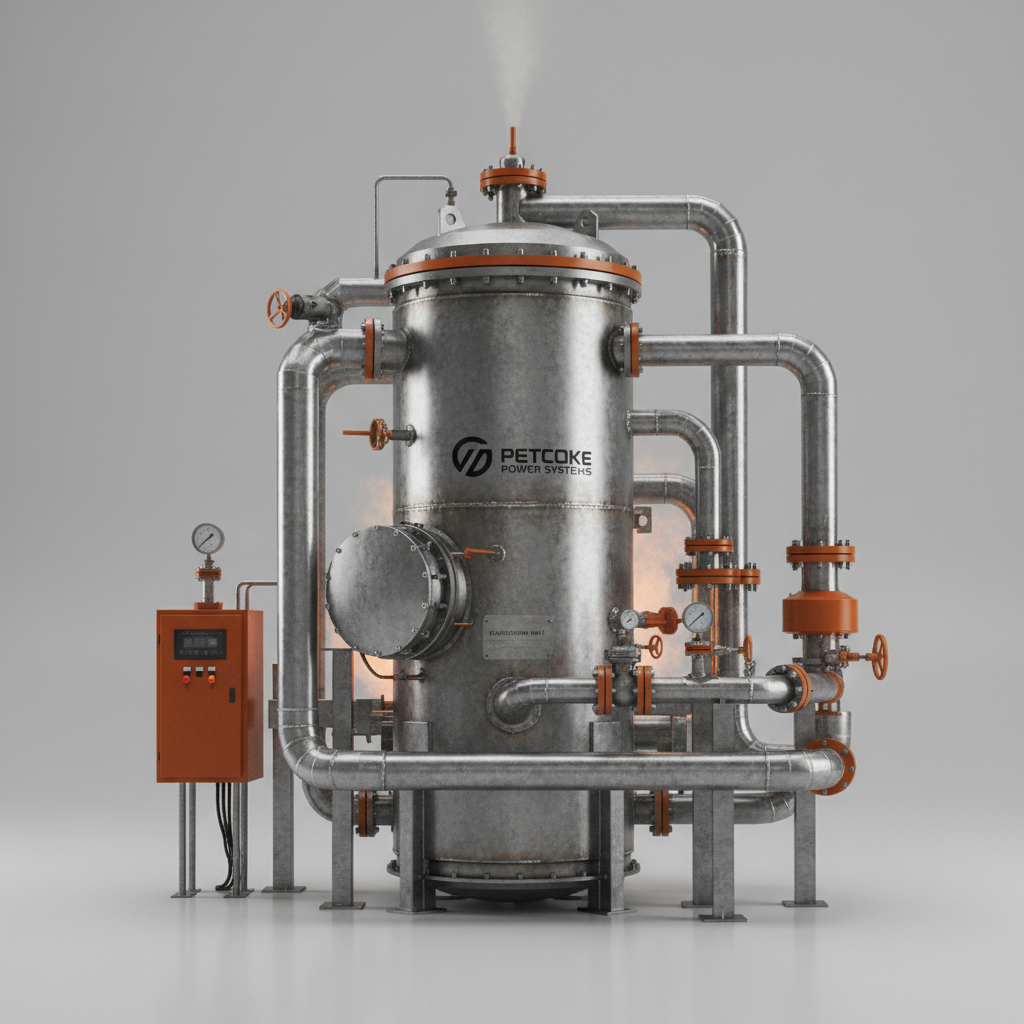
Understanding the Petcoke Gasification Process
Petcoke gasification isn't simply 'burning' petcoke. It's a thermochemical process where petcoke reacts with a gasifying agent – typically oxygen, steam, or air – at high temperatures (typically 800-1600°C) to produce syngas. Syngas is a mixture primarily of carbon monoxide (CO) and hydrogen (H₂), along with smaller amounts of carbon dioxide (CO₂) and other gases. The specific composition of the syngas depends on the gasification agent used and the operating conditions. Different gasification technologies exist, including fixed-bed, fluidized-bed, and entrained-flow gasifiers, each with its own advantages and disadvantages.
Key Benefits: Efficient conversion of waste petcoke into valuable fuel gas, reduced reliance on fossil fuels, and potential for carbon capture and storage (CCS).
Gasification Agents and Their Impact on Syngas Composition
The choice of gasification agent significantly impacts the syngas composition and its suitability for different applications. Oxygen-based gasification produces a syngas with a high heating value, ideal for power generation or chemical synthesis. Steam-based gasification favors hydrogen production, while air-based gasification is the simplest and cheapest but yields a syngas with a lower heating value. Selecting the optimal gasification agent depends on the desired product and economic considerations.
Gasification Agent Comparison:
• Oxygen: High heating value syngas, suitable for power and chemicals.
• Steam: Primarily produces hydrogen.
• Air: Lowest cost, lowest heating value.
The Role of Graphite in Petcoke Gasification
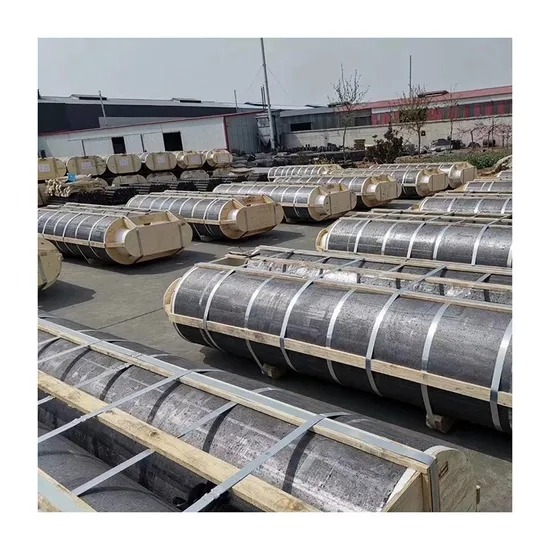
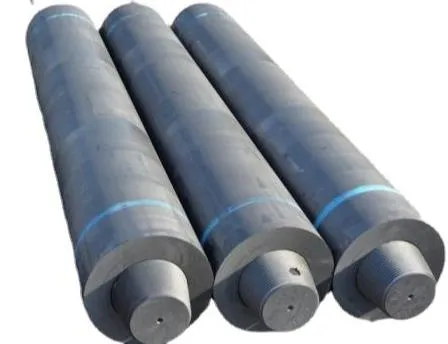
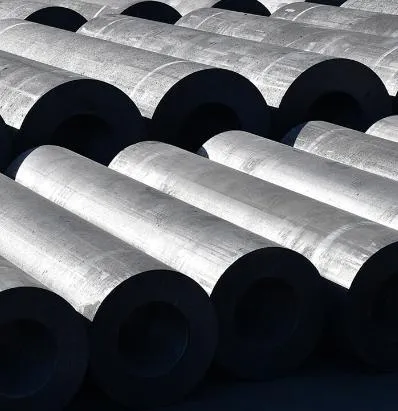
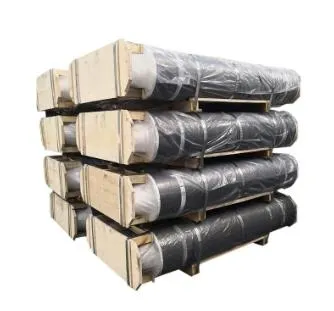
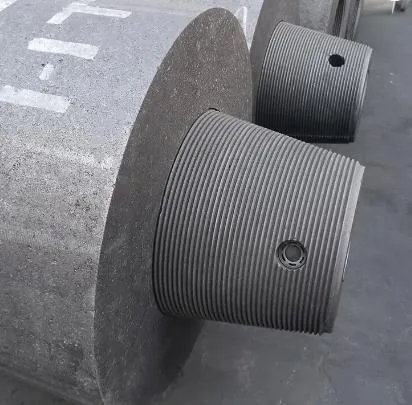
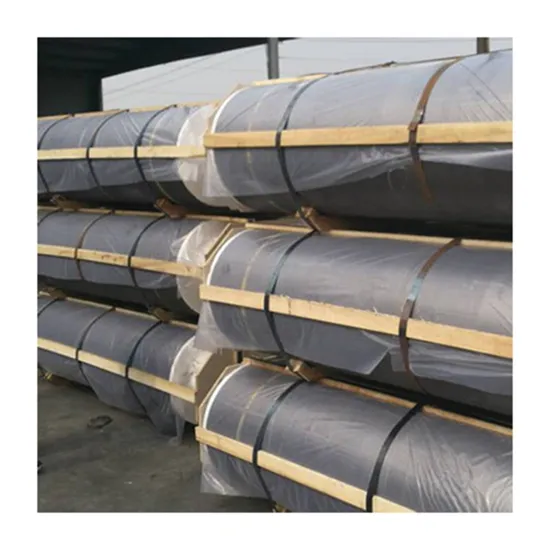
Graphite plays a critical role in the efficiency of petcoke gasification, specifically in the construction of gasifier components. Its high thermal conductivity, excellent chemical resistance, and mechanical strength make it an ideal material for liners, electrodes, and heat exchangers within the gasifier. NL Graphite specializes in providing high-quality graphite materials specifically engineered for these demanding applications. The use of graphite allows for more uniform temperature distribution, minimizing thermal stress and maximizing the lifespan of the gasifier. It also enhances the reaction kinetics, improving syngas yield.
Challenges and Future Trends in Petcoke Gasification
Despite its benefits, petcoke gasification faces challenges. The high ash content of some petcoke sources can lead to slagging and fouling within the gasifier. Furthermore, the process generates CO₂, a greenhouse gas, although carbon capture and storage (CCS) technologies are being developed to mitigate this. Future trends include the integration of gasification with renewable energy sources, advanced gas cleaning technologies, and the development of more efficient gasifier designs. The evolution of petcoke gasification will hinge on technological advancements and a growing commitment to sustainable energy practices.
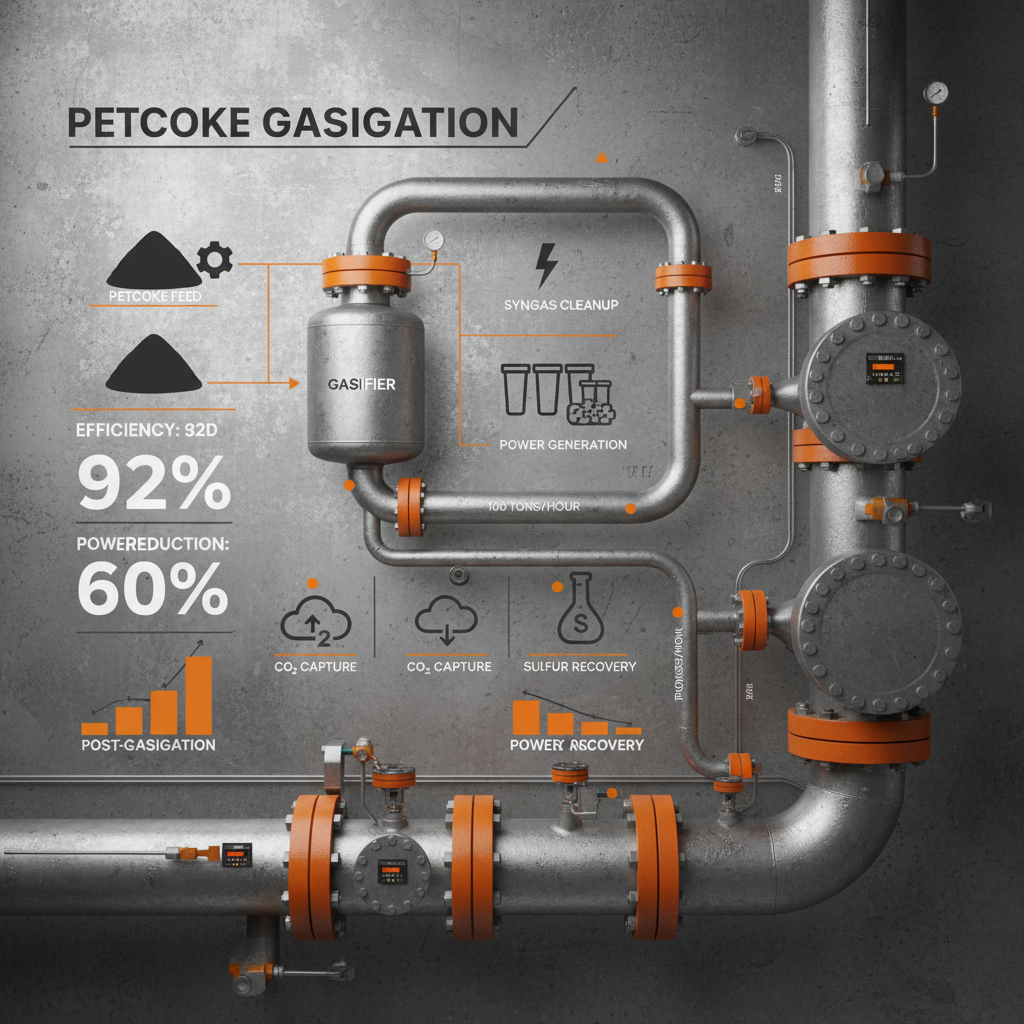
Petcoke Gasification: Product Specifications & Applications
The syngas produced through petcoke gasification has a wide variety of applications, ranging from power generation to chemical production. The composition of the syngas can be tailored to suit specific needs. Here's a look at typical product specifications and key applications:
Conclusion: The Future of Petcoke Utilization
Petcoke gasification presents a viable solution for transforming a byproduct into a valuable energy source and chemical feedstock. The use of high-quality materials like those offered by NL Graphite is vital for ensuring efficiency and reliability. As technology advances and sustainability concerns grow, petcoke gasification is poised to play an increasingly important role in the energy landscape.
Frequently Asked Questions (FAQs)
What are the primary environmental concerns associated with petcoke gasification?
The main environmental concern is the generation of carbon dioxide (CO₂), a greenhouse gas. However, this can be mitigated through the implementation of Carbon Capture and Storage (CCS) technologies, which capture CO₂ emissions and store them underground or utilize them in other industrial processes. Additionally, proper management of ash and wastewater is crucial to prevent soil and water contamination. Careful process control and advanced emission control systems are vital for minimizing the environmental impact of petcoke gasification.
What is the typical lifespan of a petcoke gasifier?
The lifespan of a petcoke gasifier varies depending on the gasifier type, operating conditions, and the quality of materials used in its construction. Generally, a well-maintained gasifier can operate for 10-20 years. The use of high-quality, corrosion-resistant materials, such as graphite liners from companies like NL Graphite, significantly extends the lifespan by minimizing wear and tear. Regular inspections and preventative maintenance are also essential for maximizing the gasifier's operational life.
How does NL Graphite contribute to the efficiency of petcoke gasification?
NL Graphite provides specialized graphite materials specifically engineered for the harsh conditions within a petcoke gasifier. Their graphite components, such as liners, electrodes, and heat exchangers, offer exceptional thermal conductivity, chemical resistance, and mechanical strength. These properties enable more efficient heat transfer, reduce corrosion, and minimize downtime, ultimately increasing the overall efficiency and profitability of the gasification process. They also offer custom solutions tailored to specific gasifier designs.
What are the potential future applications of syngas produced from petcoke gasification?
Beyond traditional applications like power generation and chemical production, syngas from petcoke gasification is increasingly being explored for advanced applications. These include the production of synthetic fuels (e.g., Fischer-Tropsch diesel), ammonia synthesis for fertilizers, and the creation of methanol for various industrial uses. Furthermore, syngas can be used as a feedstock for producing sustainable aviation fuels (SAF), contributing to the decarbonization of the transportation sector. The flexibility of syngas makes it a versatile building block for a more sustainable chemical industry.
 Pervious
 Next
Next