

- Englist



Industrial Applications and Properties of carbon graphite powder

The Essential Guide to Carbon Graphite Powder: Properties and Applications
In the world of advanced materials, carbon graphite powder serves as a cornerstone for countless industrial innovations. Known for its exceptional electrical conductivity, thermal stability, and lubricating properties, this versatile material is indispensable in sectors ranging from automotive manufacturing to electronics. Whether you are looking to reduce friction in mechanical systems or enhance the conductivity of a composite, understanding the nuances of graphite powders is key to optimizing your product's performance. In this comprehensive guide, we will explore the technical advantages, various grades, and the diverse industrial applications that make this material a global commodity.
Unlocking the Key Properties of Carbon Graphite Powder
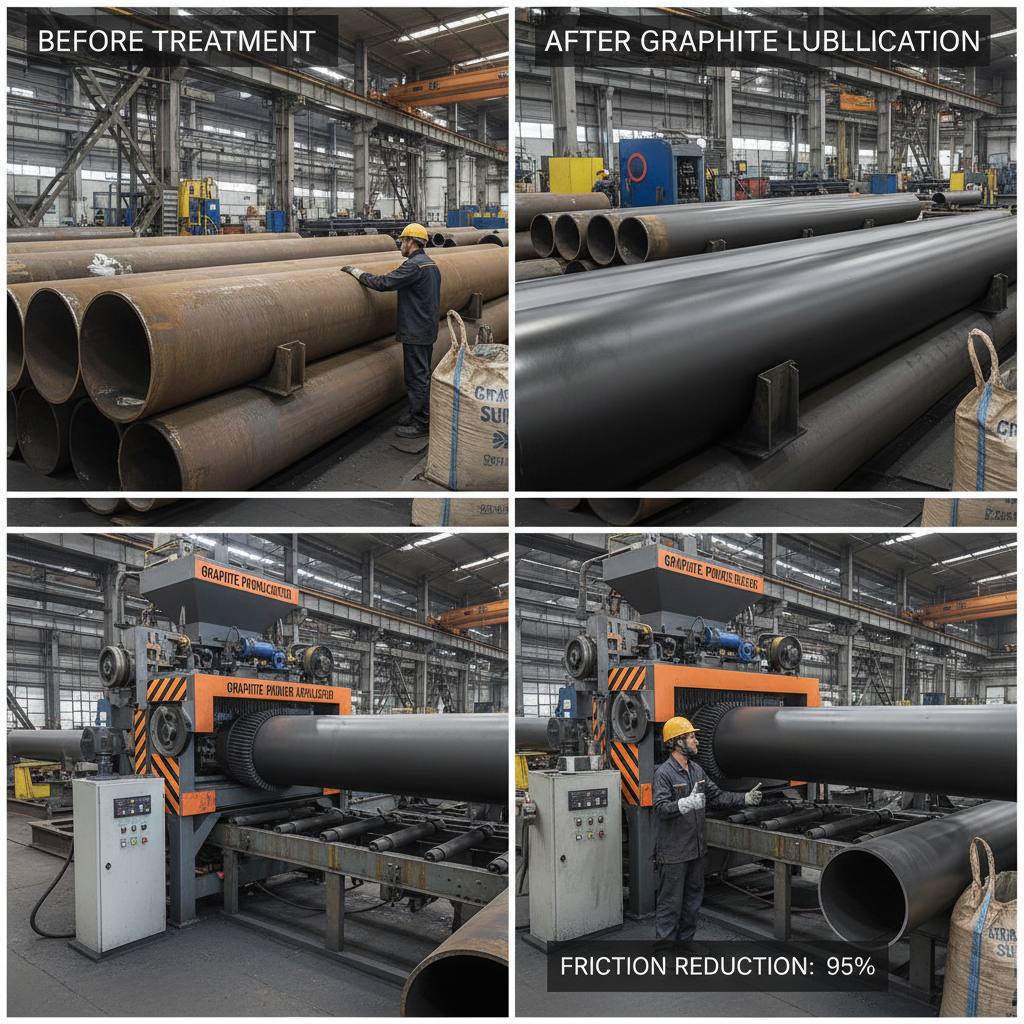
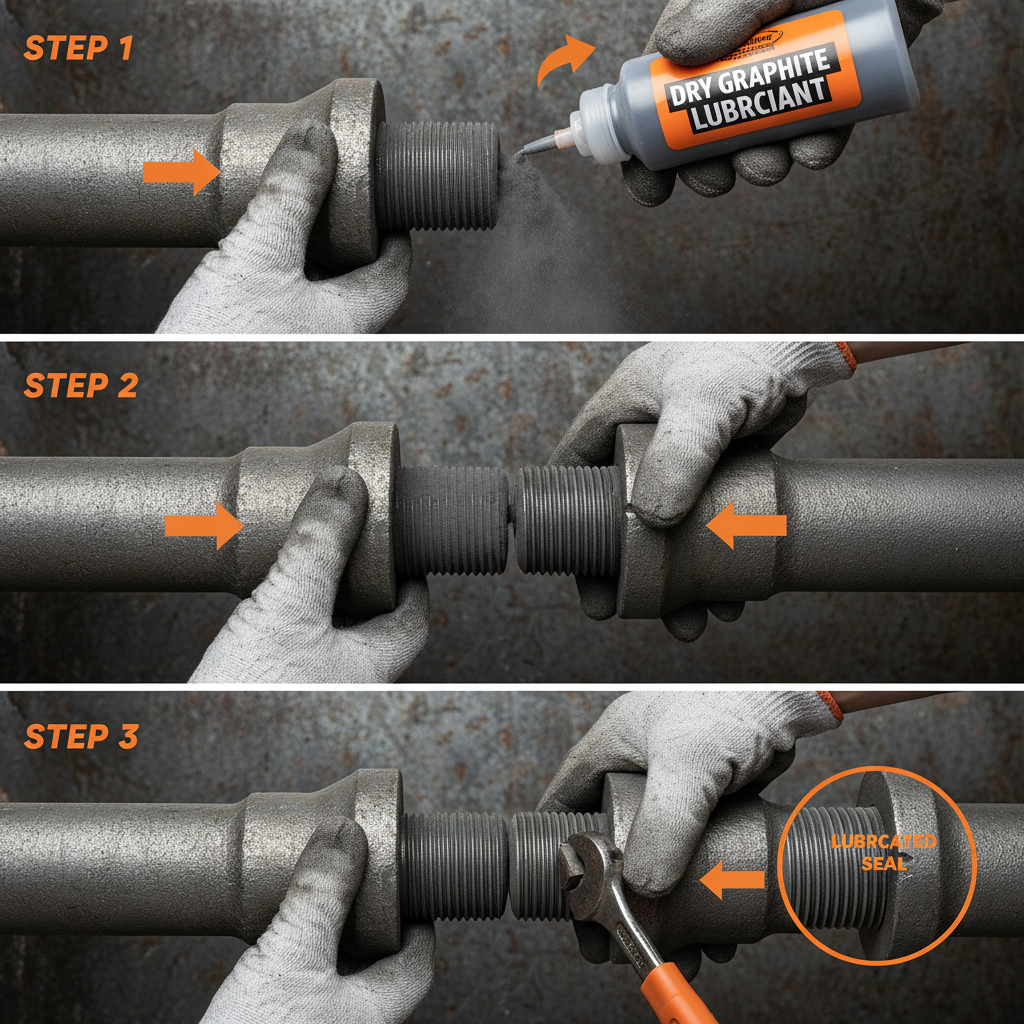
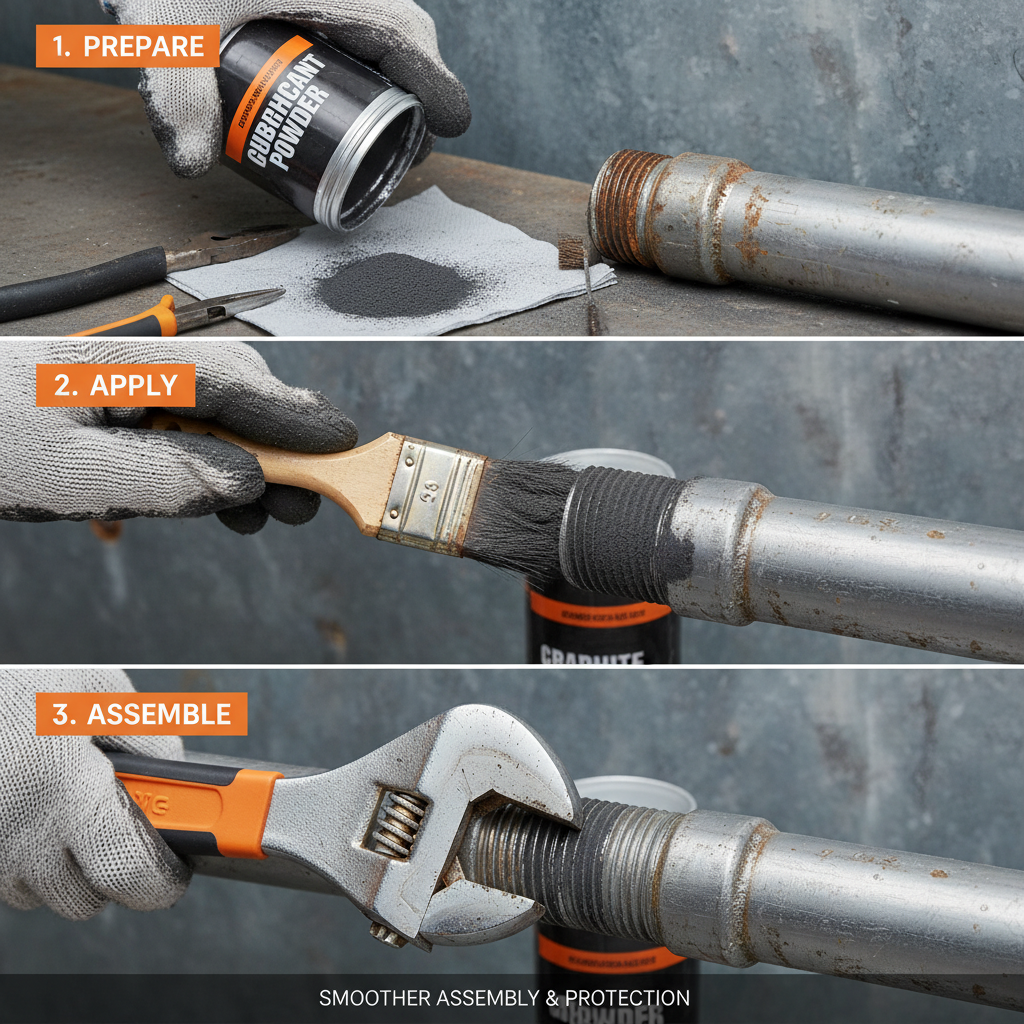
The effectiveness of carbon graphite powder stems from its unique hexagonal crystalline structure. This arrangement allows layers of carbon atoms to slide over one another with minimal resistance, which is why it is world-renowned as a superior dry lubricant. Beyond lubrication, its ability to withstand extreme temperatures without degrading makes it ideal for high-heat environments. Furthermore, its high electron mobility ensures that it can efficiently conduct electricity, making it a preferred additive in battery anodes and conductive coatings.
Technical Highlights: High thermal conductivity, chemical inertness to most acids and alkalis, and an incredibly low coefficient of friction, ensuring long-term durability for industrial components.
Industrial Applications of Carbon Graphite Powder
The versatility of carbon graphite powder allows it to be integrated into a vast array of products. In the automotive industry, it is used in brake pads and clutches to manage heat and reduce wear. In the energy sector, it is a critical component in the production of lithium-ion batteries, where it enhances the capacity and charging speed of the anode. Additionally, it is widely used in the plastics and rubber industries as a filler to improve the electrical properties and processability of the final materials.
Comparing Types of Carbon Graphite Powder
Not all graphite powders are created equal. Depending on the source and the processing method, you will find Natural Flake Graphite, Amorphous Graphite, and Synthetic Graphite. Natural flake graphite is prized for its high purity and lubrication, while synthetic graphite is often preferred for high-end technical applications where precise control over particle size and purity is required. Choosing the right type of carbon graphite powder can be the difference between a product that fails under pressure and one that exceeds performance benchmarks.
Quality Specifications for Carbon Graphite Powder
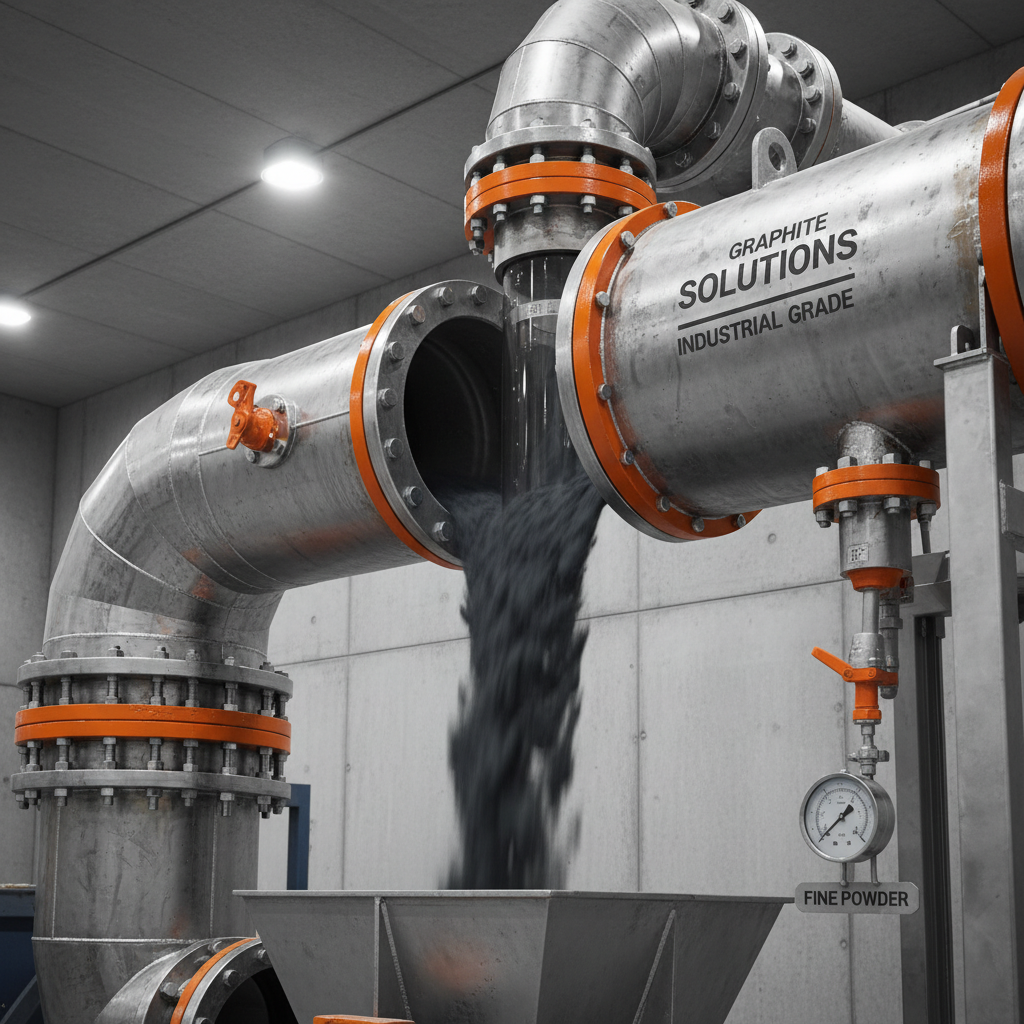
When sourcing carbon graphite powder, quality control is paramount. Key metrics include carbon content, particle size distribution (PSD), and moisture levels. High-purity powders (typically >99%) are essential for electronic components to prevent short-circuiting caused by impurities. Furthermore, the fineness of the powder determines its dispersion quality within a matrix, which directly affects the structural integrity and conductivity of the composite material.
Sustainability and Future Trends in Graphite Materials
As the world pivots toward green energy, the demand for carbon graphite powder is skyrocketing, particularly for electric vehicle (EV) batteries. The industry is currently shifting toward more sustainable mining and synthesis processes to reduce the environmental footprint. Innovations in graphene-enhanced graphite are also emerging, offering even higher electrical conductivity and strength. By choosing high-quality, ethically sourced materials, companies can ensure their supply chains are resilient and aligned with global sustainability goals.
Future Outlook:
• Increased adoption in solid-state battery technology
• Development of bio-based synthetic graphite
• Enhanced focus on ultra-fine nano-powders for aerospace
Conclusion: Optimizing Your Process with Quality Graphite
Selecting the right carbon graphite powder is not just about finding a supplier, but about matching material specifications to your exact technical needs. From the frictionless glide of industrial lubricants to the high-energy storage of EV batteries, the impact of graphite is profound. By focusing on purity, particle size, and consistency, you can significantly enhance the efficiency and lifespan of your products. Partner with a professional provider to ensure your materials meet the highest international standards.
Frequently Asked Questions (FAQs)
What is the difference between graphite powder and activated carbon?
While both are forms of carbon, they serve entirely different purposes. Graphite powder is a crystalline form of carbon characterized by its lubricity and electrical conductivity; it is used primarily as a lubricant or a conductive additive. Activated carbon, on the other hand, is processed to have small, low-volume pores that increase the surface area available for adsorption. Activated carbon is used mainly for filtration, water purification, and removing toxins, whereas graphite is used for mechanical and electrical enhancement.
How do I choose the right particle size for carbon graphite powder?
The choice depends on your application. For coatings and paints, ultra-fine powders (usually under 10 microns) are preferred to ensure a smooth finish and uniform conductivity. For dry lubrication of heavy machinery, slightly coarser powders are often more effective as they provide a more durable protective layer. When using graphite as a filler in plastics, a balanced particle size distribution is key to avoiding structural weak points while maintaining the desired electrical properties. Always consult with a technical specialist to match the PSD to your specific manufacturing process.
Is carbon graphite powder conductive to electricity?
Yes, one of the most significant advantages of carbon graphite powder is its excellent electrical conductivity. This is due to the delocalized electrons within its hexagonal layers, which can move freely across the material. This property makes it an essential additive for creating conductive plastics, anti-static coatings, and the anodes of lithium-ion batteries. The level of conductivity can be further tuned by adjusting the purity of the graphite and the concentration of the powder within a composite material.
How should carbon graphite powder be stored for long-term use?
To maintain the quality and performance of the powder, it should be stored in a cool, dry, and well-ventilated environment. Moisture is the primary enemy, as it can cause clumping (agglomeration) and potentially introduce impurities that affect electrical conductivity. It is recommended to use airtight containers or moisture-proof bags. Additionally, since graphite is a combustible powder in very specific high-concentration airborne conditions, it should be kept away from open flames or strong oxidizing agents to ensure workplace safety.
 Pervious
 Next
Next