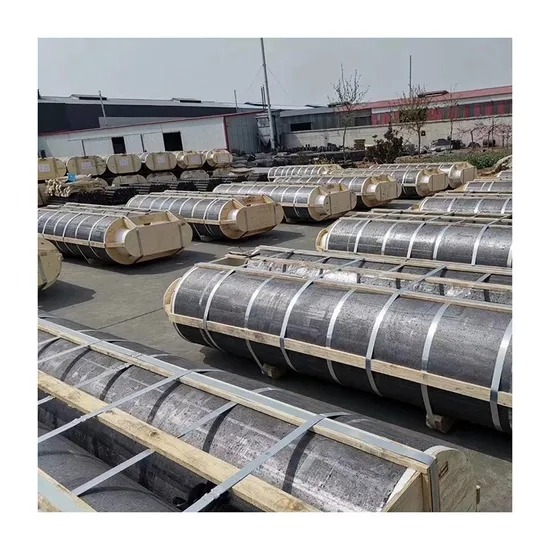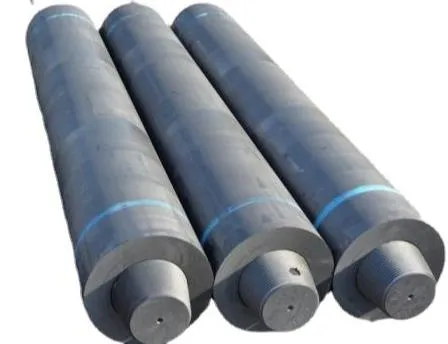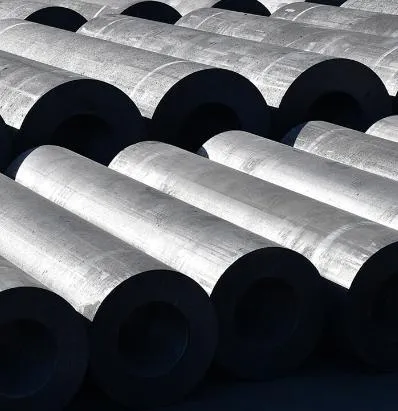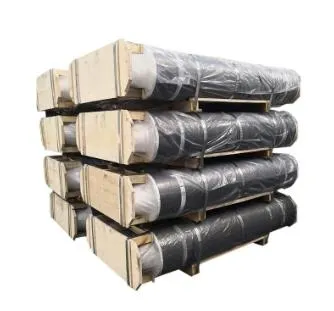


- Englist


Exploring the Versatility and Benefits of High Density Graphite Rods

Understanding High Density Graphite Rods: Applications and Benefits
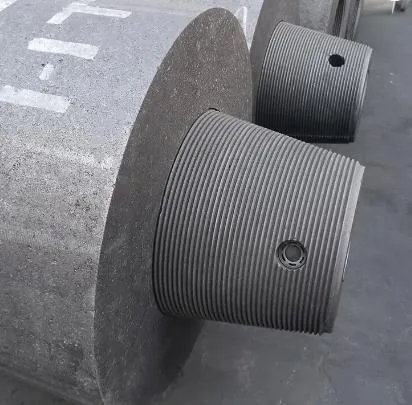
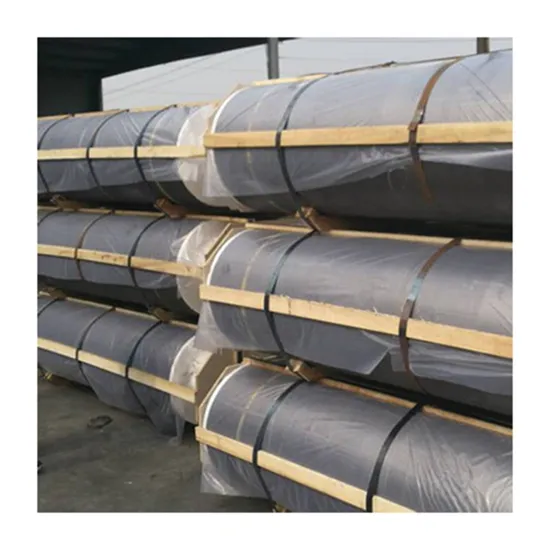
High density graphite rods are essential components in numerous industrial applications, prized for their unique combination of properties. From EDM machining to continuous casting, these rods offer exceptional performance and longevity. This article will delve into the characteristics, benefits, and diverse uses of high density graphite rods, providing a comprehensive overview for engineers, manufacturers, and anyone seeking reliable materials for demanding processes. Understanding the specific properties and grades available is crucial for optimizing your applications.
What Makes High Density Graphite Rods Superior?
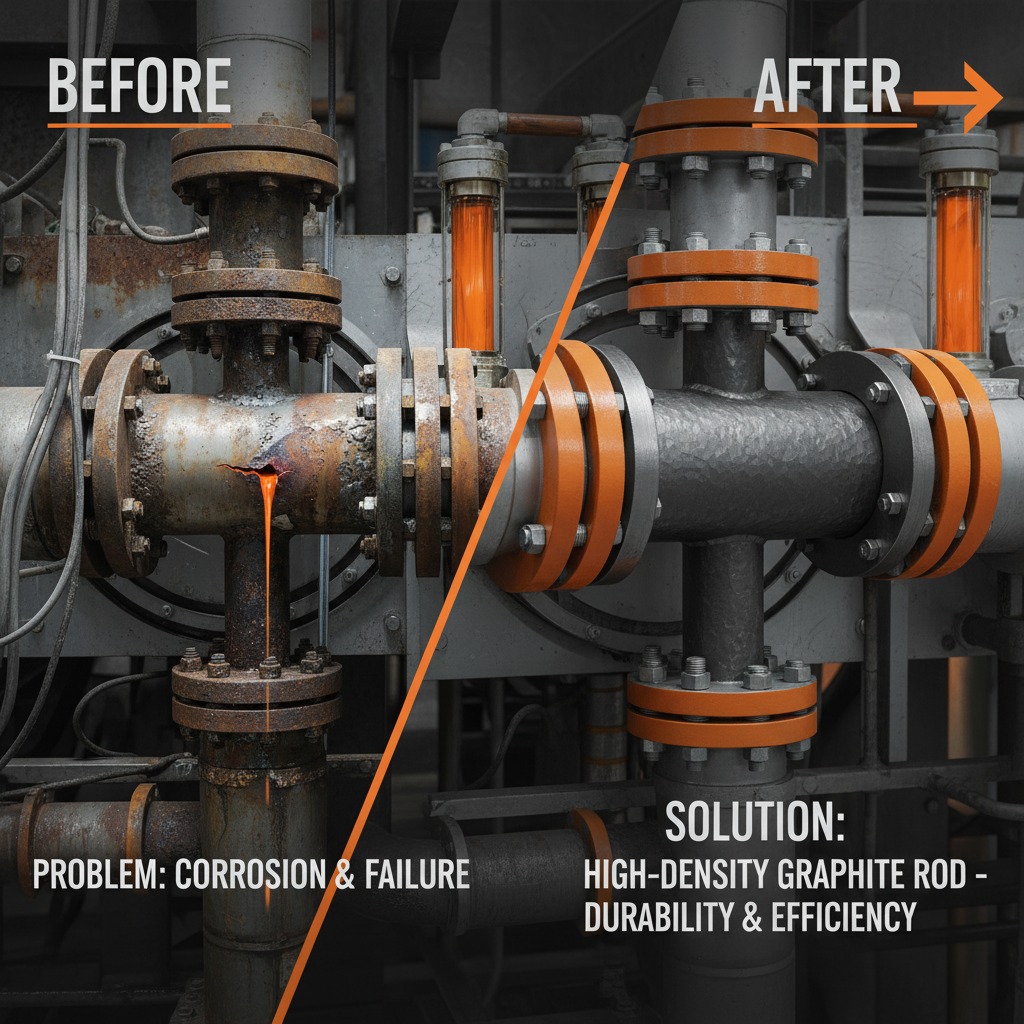
The superiority of high density graphite rods stems from their unique material properties. Achieved through specialized manufacturing processes, these rods boast a tightly packed carbon structure, resulting in increased strength, thermal conductivity, and electrical conductivity. This density also contributes to lower porosity, minimizing gas evolution during high-temperature applications. Compared to standard graphite, high density varieties exhibit improved resistance to wear and erosion, leading to a longer operational life. They excel in environments where precision and reliability are paramount. These characteristics make them ideal for applications like Electrical Discharge Machining (EDM), where controlled material removal is essential.
Key Highlights: High density graphite rods offer increased strength, improved thermal conductivity, and reduced porosity, leading to enhanced performance and longevity in demanding applications.
Key Applications of High Density Graphite Rods
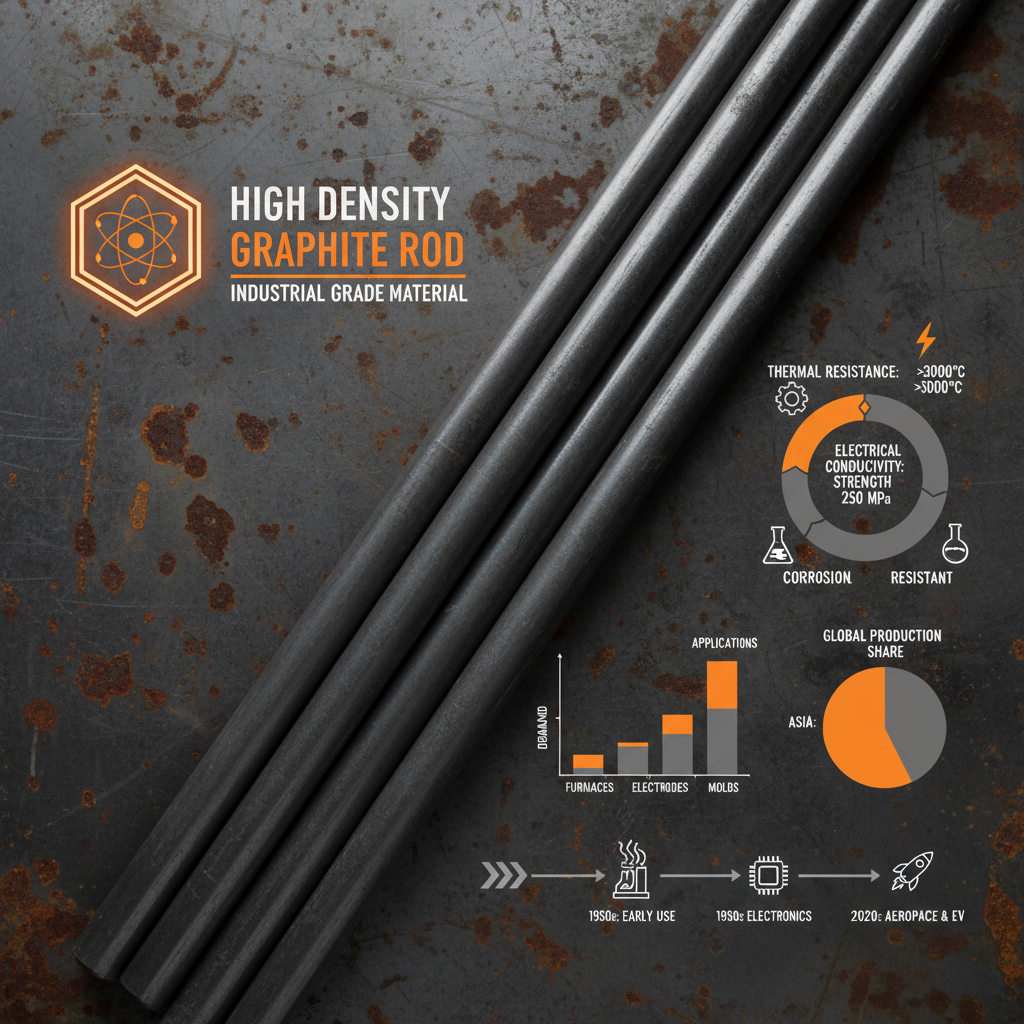
The versatility of high density graphite rods is reflected in their wide range of applications across various industries. They are a cornerstone in EDM, serving as electrodes for precise metal shaping. In continuous casting, they function as hearths and molds, facilitating the production of high-quality metal alloys. Furthermore, they are utilized in semiconductor manufacturing for silicon wafer production, and in the aerospace industry for specialized components. Their ability to withstand extreme temperatures and resist chemical attack also makes them valuable in furnace linings and chemical processing equipment. NL Graphite provides rods tailored to meet these diverse needs.
Application Benefits:
• EDM: Precision material removal and excellent surface finish
• Continuous Casting: High-quality alloy production with reduced defects
• Semiconductor Manufacturing: Reliable silicon wafer production
• Aerospace: Durable components for extreme environments
High Density Graphite Rod Grades: A Comparative Overview
Different grades of high density graphite rods are available, each tailored to specific application requirements. The key differences lie in density, grain size, and impurity levels. Finer grain sizes generally result in better surface finish in EDM applications, while higher densities provide increased strength and thermal conductivity. Selecting the appropriate grade is crucial for optimizing performance and maximizing the lifespan of the rod. Understanding these nuances allows for informed material selection and improved process efficiency.
Factors Affecting Graphite Rod Performance and Lifespan
The performance and lifespan of high density graphite rods are influenced by several factors. Operating temperature, machining parameters (in EDM), and the composition of the surrounding environment all play a crucial role. Excessive temperatures can accelerate oxidation and erosion, while improper machining settings can lead to premature wear. Furthermore, the presence of certain chemicals can degrade the graphite structure. Proper maintenance, including regular inspection and cleaning, is essential for maximizing the rod’s service life. Choosing a reputable supplier like NL Graphite ensures you receive consistent quality and expert guidance.
Conclusion: Choosing the Right High Density Graphite Rod for Your Application
Investing in Quality Graphite for Optimal Results
Selecting the appropriate high density graphite rod is paramount for achieving optimal performance and longevity in your applications. By carefully considering the grade, density, and operating conditions, you can maximize efficiency and minimize downtime. NL Graphite offers a comprehensive range of high-quality rods and expert support to help you find the perfect solution for your specific needs. Don’t compromise on quality – choose a trusted partner for your graphite material requirements.
Frequently Asked Questions (FAQs)
What is the typical lifespan of a high density graphite rod used in EDM?
The lifespan of a graphite rod in EDM varies greatly depending on several factors, including the material being machined, the current settings, and the duty cycle. However, a well-maintained, high-density graphite rod can typically last between 50 and 200 hours of actual machining time. Regularly monitoring the rod for wear and tear, and ensuring proper flushing of debris, can significantly extend its life. Consider using a rod with a finer grain size for longer life in precision applications.
How do I determine the correct size graphite rod for my application?
Determining the correct size involves considering the dimensions of the workpiece and the requirements of your process. For EDM, the rod should be large enough to provide sufficient material for the desired cut, while also allowing for easy maneuvering. For continuous casting, the rod’s dimensions are dictated by the size and shape of the mold. Consulting with a graphite specialist, like those at NL Graphite, can help ensure you select the optimal size for your specific application.
What safety precautions should be taken when handling graphite rods?
While graphite is generally considered safe, it’s important to take certain precautions. Graphite dust can be irritating to the eyes and respiratory system, so wearing appropriate personal protective equipment (PPE), such as safety glasses and a dust mask, is recommended. Avoid creating excessive dust during handling and machining. Ensure adequate ventilation in the work area. Always consult the Material Safety Data Sheet (MSDS) for detailed safety information.
Can high density graphite rods be recycled?
Yes, graphite rods can be recycled. Recycling processes typically involve crushing the spent rods and repurposing the graphite material into new products. This is an environmentally responsible practice that reduces waste and conserves resources. Contact your graphite supplier to inquire about their recycling programs or local recycling facilities that accept graphite waste.
 Pervious
 Next
Next