

- Englist



Understanding Graphite Tubes Properties Applications and Sourcing Considerations

Understanding Graphite Tubes: Properties, Applications, and Sourcing
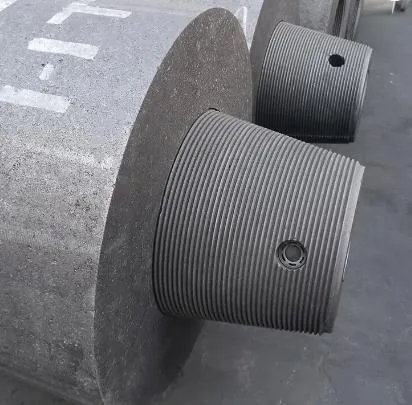
Graphite tubes are versatile components utilized across diverse industries, from semiconductor manufacturing to vacuum furnaces. Their unique properties – high thermal conductivity, corrosion resistance, and electrical conductivity – make them invaluable in demanding applications. This article provides a comprehensive overview of graphite tubes, exploring their characteristics, common applications, and key considerations when sourcing high-quality graphite tubes. Choosing the correct graphite grade and dimensions is crucial for optimal performance and longevity in your specific application.
Key Properties of Graphite Tubes
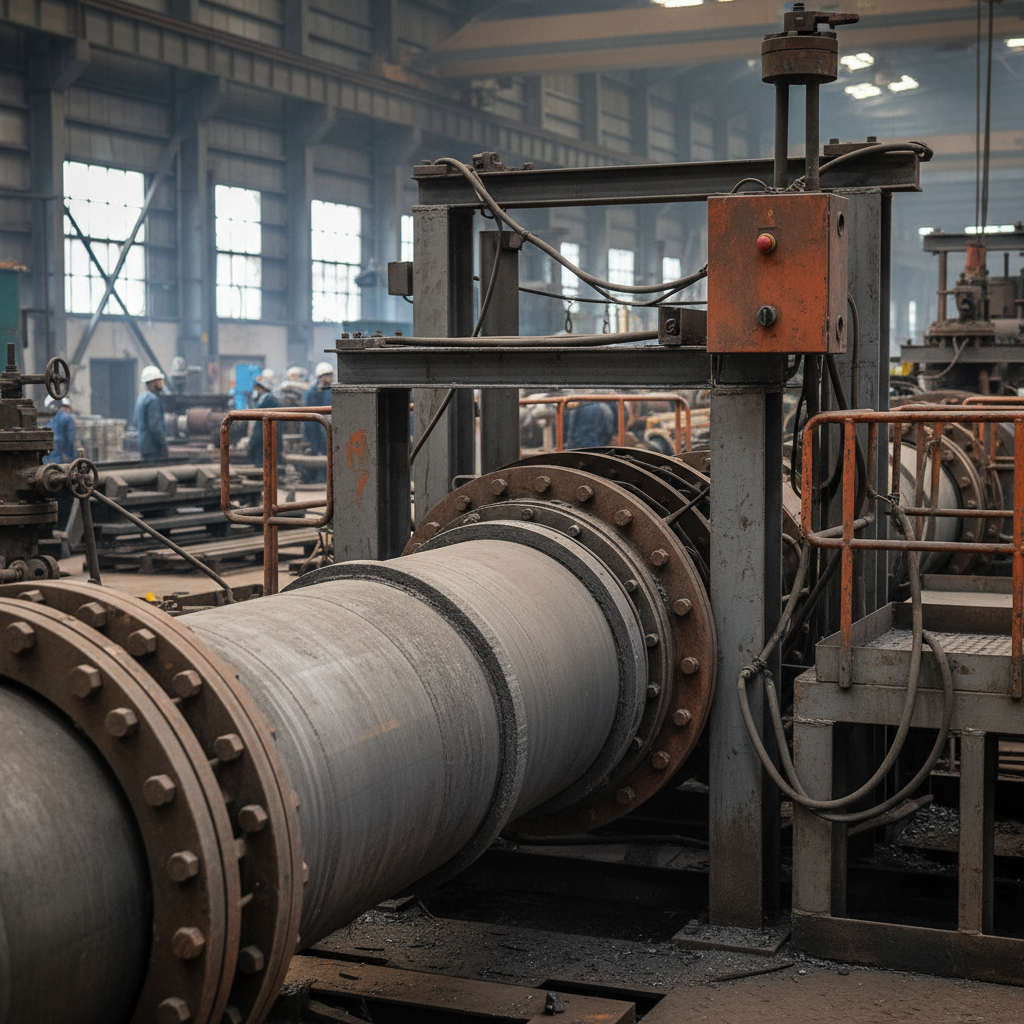
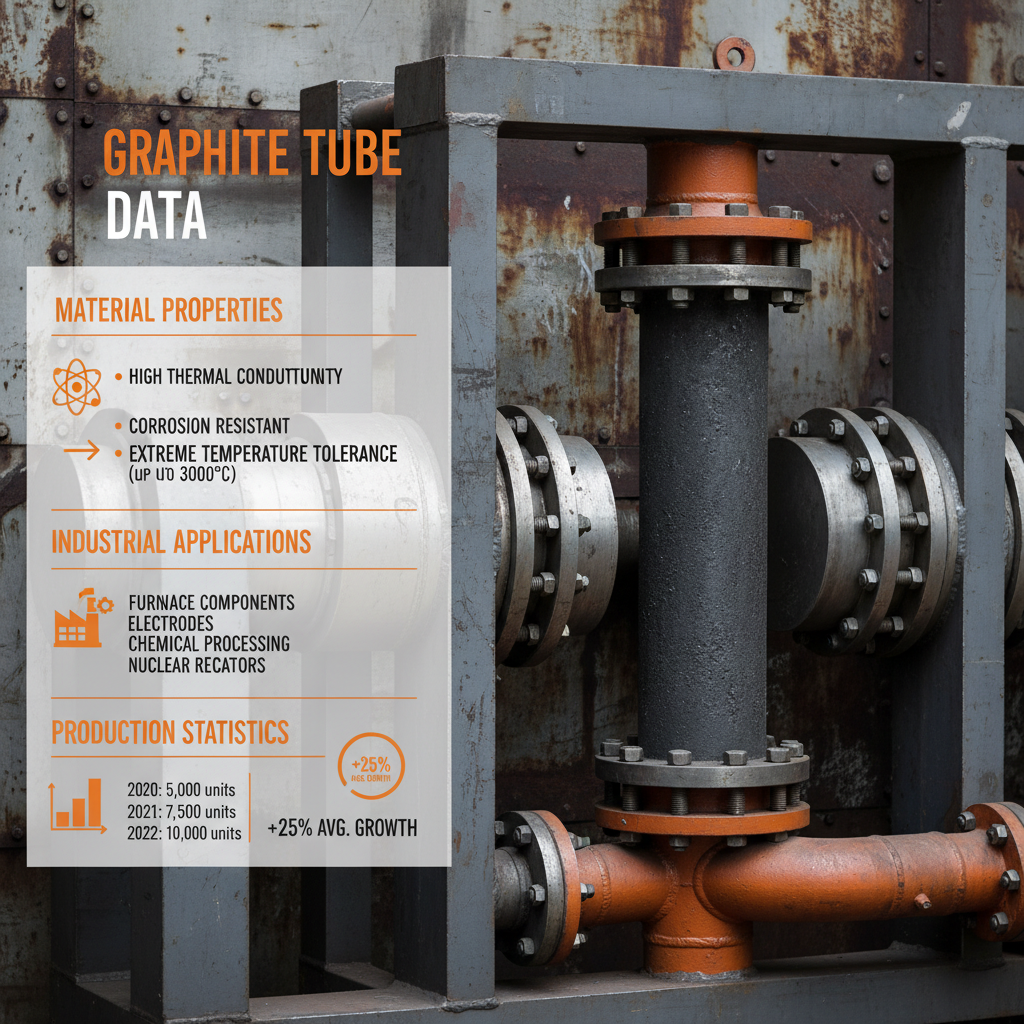
Graphite tubes aren't simply hollow cylinders of carbon. Their exceptional properties stem from the unique atomic structure of graphite. Key characteristics include: high thermal conductivity, enabling efficient heat transfer; excellent chemical inertness, making them resistant to corrosion; low thermal expansion, ensuring dimensional stability at high temperatures; and good electrical conductivity. The specific properties can vary depending on the graphite grade (e.g., fine-grained, coarse-grained, impregnated) and manufacturing process. Understanding these nuances is critical for selecting the right tube for your needs. NL Graphite offers a range of graphite tubes tailored to specific industry demands.
Key Highlights: Graphite tubes are known for their combination of high thermal conductivity, chemical inertness, and low thermal expansion, making them ideal for high-temperature applications.
Applications of Graphite Tubes Across Industries
The unique properties of graphite tubes drive their application in various industries. In semiconductor manufacturing, they serve as crucibles for silicon crystal growth. Vacuum furnaces utilize graphite tubes as heating elements and structural components due to their ability to withstand extreme temperatures. The metallurgical industry employs them in continuous casting and sintering processes. Other applications include EDM (Electrical Discharge Machining) electrodes, heat exchangers, and analytical chemistry. Their versatility continues to drive innovation and new uses for this material.
Application Benefits:
• High-temperature stability
• Resistance to chemical attack
• Efficient heat transfer
• Dimensional stability
Choosing the Right Graphite Tube: Grade and Dimensions
Selecting the appropriate graphite tube requires careful consideration of several factors. The graphite grade – fine-grained, coarse-grained, or impregnated – dictates properties like strength, porosity, and thermal conductivity. Fine-grained graphite offers higher strength, while coarse-grained exhibits better thermal shock resistance. Impregnated graphite, treated with resins or metals, further enhances specific properties. Beyond the grade, dimensional accuracy (outer diameter, inner diameter, length) is critical for seamless integration into your application. Contact NL Graphite's experts to discuss your specific needs and receive tailored recommendations.
Sourcing Graphite Tubes: Considerations and Quality Control
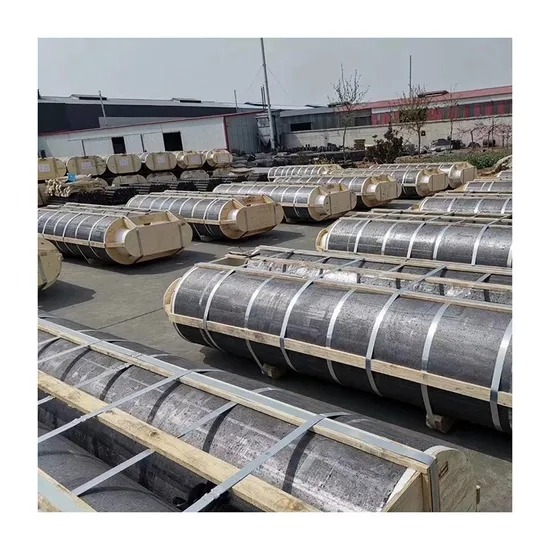
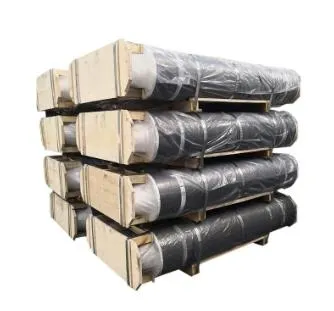
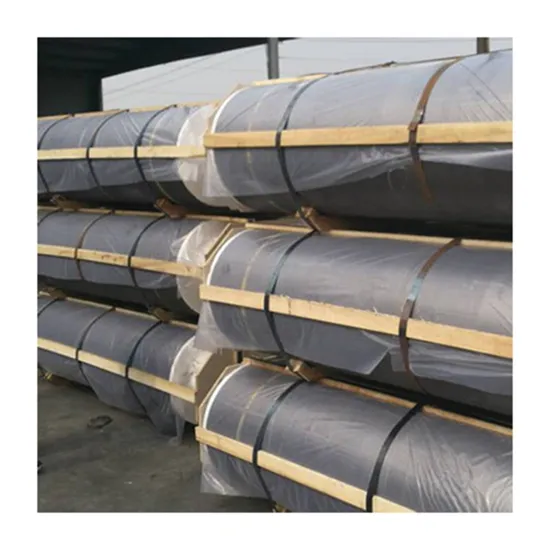
When sourcing graphite tubes, prioritize suppliers with a proven track record of quality and reliability. Look for manufacturers that offer comprehensive quality control procedures, including material certification and dimensional inspections. Consider factors such as lead times, pricing, and customer support. Working with a reputable supplier like NL Graphite ensures you receive high-quality products that meet your stringent requirements. Proper packaging and handling are also essential to prevent damage during transit.
Conclusion: Investing in Quality Graphite Solutions
Graphite tubes are essential components in numerous high-performance applications. Understanding their properties, selecting the appropriate grade and dimensions, and sourcing from a reliable supplier are crucial for optimizing performance and longevity. NL Graphite is committed to providing high-quality graphite tubes tailored to your specific needs. Invest in quality, and you’ll see the difference in your processes and results.
Frequently Asked Questions (FAQs)
What is the typical lifespan of a graphite tube?
The lifespan of a graphite tube varies greatly depending on the application, operating temperature, and atmospheric conditions. In less demanding environments, a tube may last for several years. However, in high-temperature vacuum furnace applications, lifespan may be limited to hundreds of hours. Regular inspections for cracks, erosion, and changes in dimensions are crucial for monitoring tube health. Proper maintenance, such as avoiding thermal shock, can significantly extend the tube's useful life.
Can graphite tubes be machined to custom specifications?
Yes, graphite tubes can be readily machined using conventional metalworking techniques, although special considerations are necessary due to the material's brittleness. Machining operations such as drilling, turning, and milling can be performed to achieve precise dimensions and custom shapes. Diamond tooling is generally recommended for efficient and accurate machining of graphite. NL Graphite offers custom machining services to meet your exact requirements.
What safety precautions should be taken when handling graphite tubes?
Graphite dust can be irritating to the skin, eyes, and respiratory system. When handling graphite tubes, it's essential to wear appropriate personal protective equipment (PPE), including gloves, safety glasses, and a dust mask or respirator. Avoid creating excessive dust during machining or handling. Work in a well-ventilated area, and use dust collection systems when possible. Dispose of graphite waste properly, following local regulations.
 Pervious
 Next
Next