

- Englist


Understanding the Versatility and Applications of a 1 8 Graphite Rod

Understanding the Versatility of a 1 8 Graphite Rod
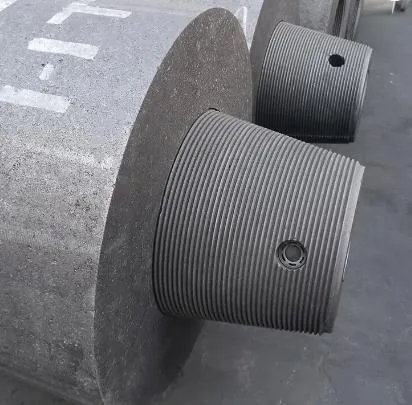
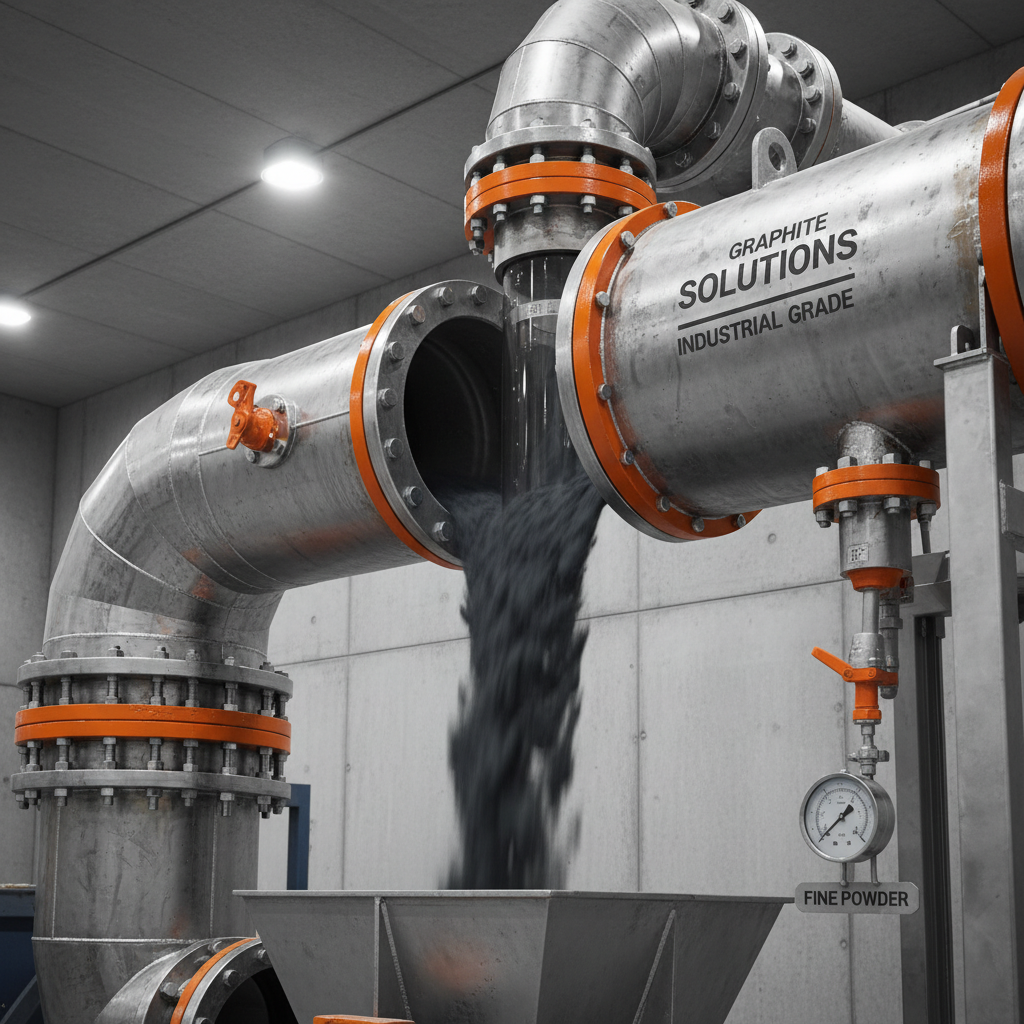
A 1 8 graphite rod is a fundamental component in numerous industrial applications, prized for its unique properties. Graphite's exceptional thermal and electrical conductivity, combined with its high strength and resistance to corrosion, makes it an ideal material for diverse processes. This article will explore the key characteristics, applications, benefits, and considerations when choosing a 1 8 graphite rod, specifically referencing the expertise and product range of NL Graphite. Selecting the right graphite rod can significantly enhance the efficiency and quality of your operations.
Key Properties of 1 8 Graphite Rods
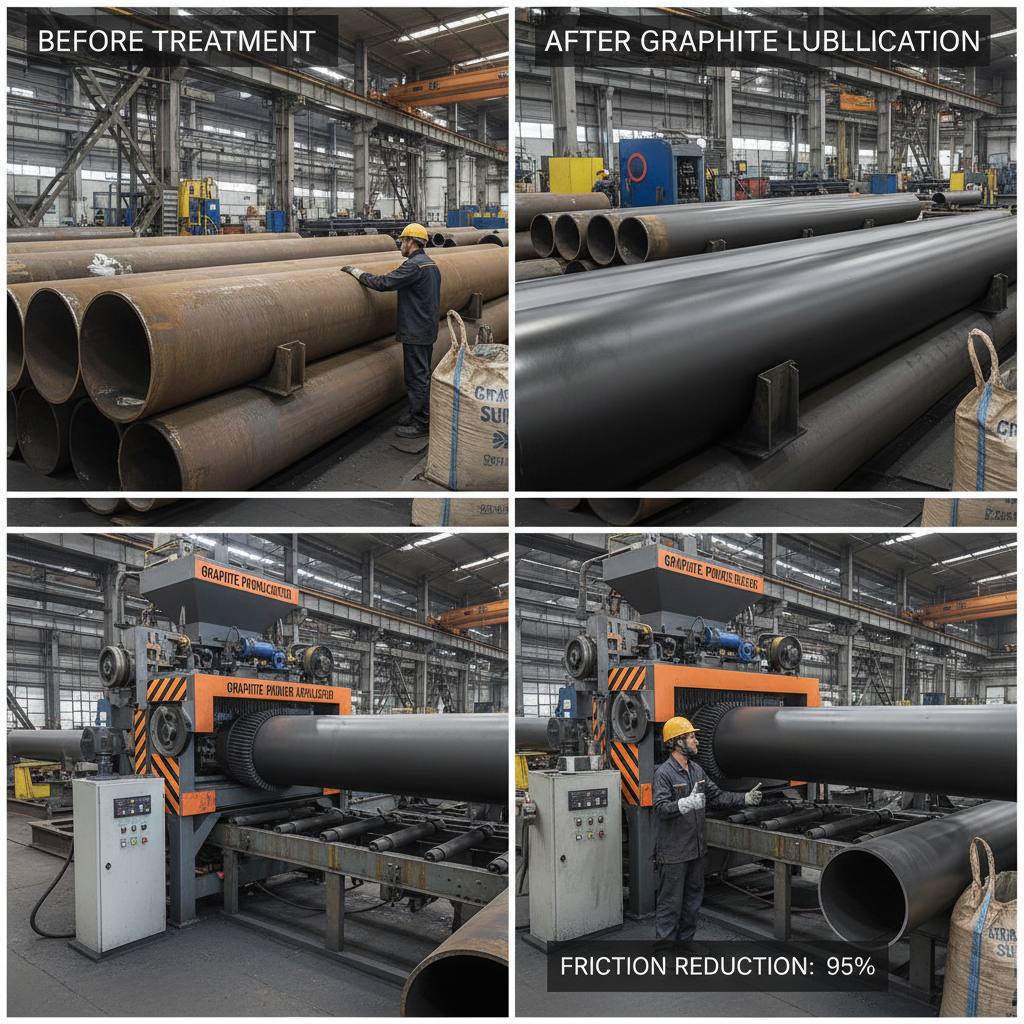
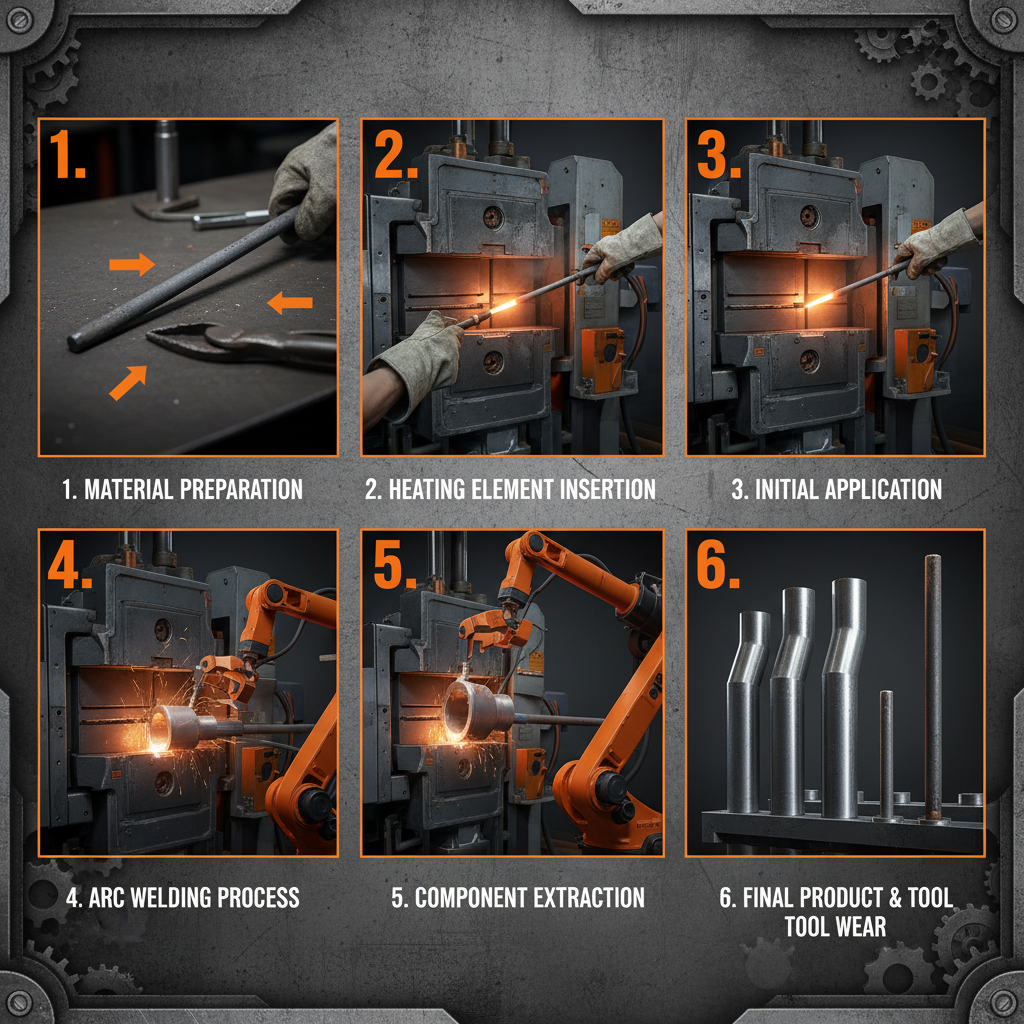
The effectiveness of a 1 8 graphite rod stems from its exceptional material properties. Graphite boasts a high melting point, making it suitable for high-temperature applications. Its self-lubricating nature reduces friction and wear, extending the lifespan of components. The material’s excellent electrical conductivity is vital in applications like EDM (Electrical Discharge Machining). Furthermore, graphite is chemically inert, resisting corrosion from most acids and alkalis. These characteristics combine to provide a robust and reliable material for demanding industrial needs. NL Graphite offers rods with carefully controlled purity levels to maximize these benefits.
Key Highlights: High melting point, self-lubricating, excellent electrical conductivity, chemical inertness, and controlled purity levels for optimal performance.
Applications of 1 8 Graphite Rods in Industry
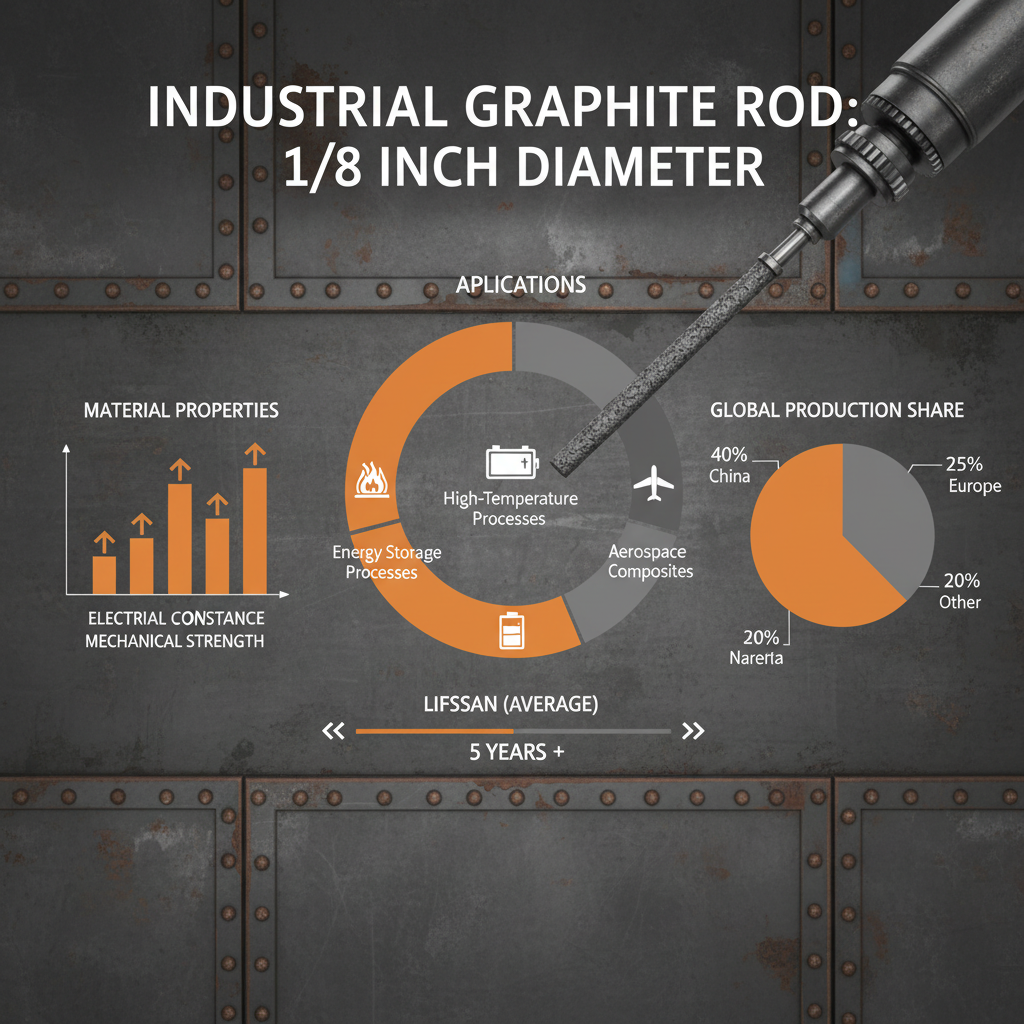
The versatility of a 1 8 graphite rod lends itself to a wide range of industrial applications. They are extensively used in EDM as electrodes, providing precise and efficient material removal. In the metallurgical industry, they serve as crucibles for melting metals. They also play a critical role in the production of continuous casting molds. Furthermore, graphite rods are found in solar panel manufacturing, acting as components in silicon crystal growth. NL Graphite’s product line caters to each of these applications with specifically engineered solutions.
Common Application Areas:
• Electrical Discharge Machining (EDM)
• Metallurgical Crucibles
• Continuous Casting Molds
• Solar Panel Manufacturing
1 8 Graphite Rods: Grade Comparison and Selection
Not all 1 8 graphite rods are created equal. Different grades of graphite possess varying levels of purity, density, and strength. Fine-grained graphite is preferred for EDM due to its superior machinability and surface finish. Higher-density graphite is ideal for applications demanding high mechanical strength and thermal shock resistance, such as crucibles. Choosing the correct grade is crucial for optimizing performance and longevity. NL Graphite provides expert guidance in selecting the appropriate grade based on your specific needs.
Choosing the Right Supplier: Why NL Graphite Stands Out
Selecting a reliable supplier is paramount when sourcing 1 8 graphite rods. NL Graphite offers a comprehensive range of high-quality graphite products, backed by rigorous quality control procedures. They provide custom machining services to meet specific dimensional requirements and offer expert technical support to assist with material selection. Their commitment to customer satisfaction and timely delivery makes them a trusted partner for industries worldwide. Furthermore, they prioritize sustainable sourcing practices.
Factors Affecting Graphite Rod Performance and Longevity
Several factors can influence the performance and longevity of a 1 8 graphite rod. Operating temperature is critical, as exceeding the material's limit can lead to oxidation and degradation. The presence of corrosive gases or liquids can also accelerate wear. Proper handling and storage are essential to prevent physical damage. Regular inspection for cracks, chips, or erosion is recommended. NL Graphite provides detailed guidance on best practices to maximize the lifespan of their products.
Conclusion: Optimizing Performance with Quality Graphite
The 1 8 graphite rod is a versatile material essential for numerous industrial applications. Selecting the appropriate grade, partnering with a reputable supplier like NL Graphite, and understanding factors influencing performance are vital for maximizing efficiency and longevity. Investing in high-quality graphite solutions ensures reliable operation and reduces long-term costs.
Frequently Asked Questions (FAQs)
What is the typical lead time for a custom-machined 1 8 graphite rod?
Lead times for custom-machined graphite rods vary depending on the complexity of the machining and current production schedules. However, NL Graphite generally aims to deliver custom orders within 2-4 weeks. For urgent requirements, expedited services are often available. Providing detailed drawings and specifications upfront will help streamline the process and ensure accurate delivery. Contacting their sales team directly is the best way to obtain a precise quote and lead time for your specific needs.
Can graphite rods be used in a vacuum environment?
Yes, graphite rods are well-suited for use in vacuum environments. Graphite exhibits low outgassing properties, meaning it releases minimal volatile compounds that could contaminate the vacuum. Its inherent resistance to high temperatures also makes it ideal for applications within vacuum furnaces or chambers. However, the specific grade of graphite should be selected based on the temperature and pressure requirements of the vacuum system. NL Graphite can provide recommendations for optimal performance in vacuum applications.
What is the recommended storage method for 1 8 graphite rods?
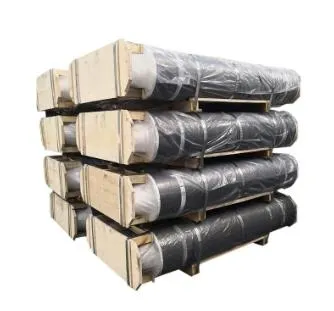
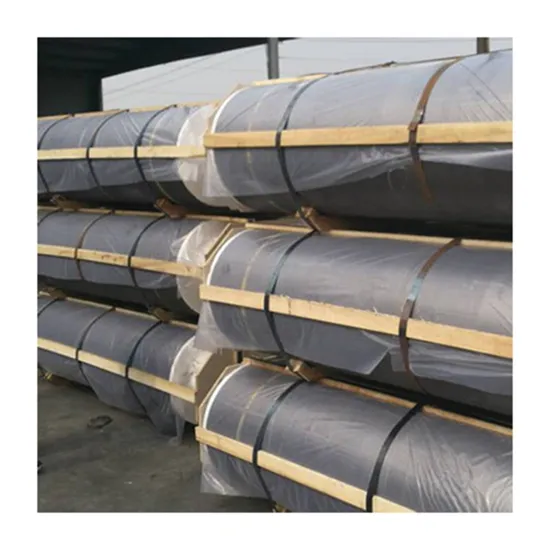
Proper storage is crucial for maintaining the integrity of 1 8 graphite rods. They should be stored in a dry, well-ventilated area, away from direct sunlight and moisture. It’s best to store them horizontally on a flat surface to prevent breakage. Avoid stacking graphite rods directly on top of each other without adequate protection, as this can cause chipping or cracking. Protecting them from impacts and vibrations is also recommended. NL Graphite provides detailed storage guidelines with product shipments.
Are graphite rods electrically conductive in all directions?
Graphite is highly electrically conductive, but the conductivity isn’t perfectly isotropic (the same in all directions). The conductivity is generally higher along the plane of the graphite layers than perpendicular to them. However, for most industrial applications, the difference is negligible. The conductivity can also vary slightly depending on the grade and purity of the graphite. NL Graphite offers materials with consistent electrical properties for demanding applications.
 Pervious
 Next
Next