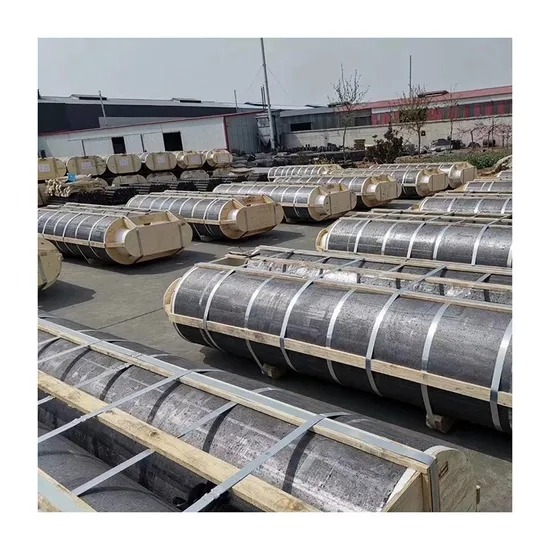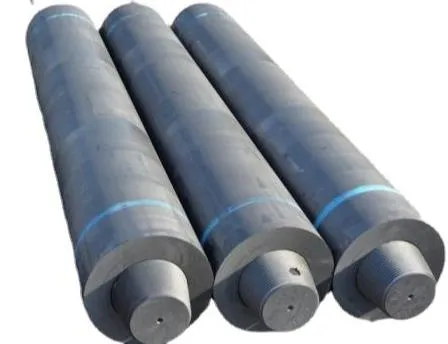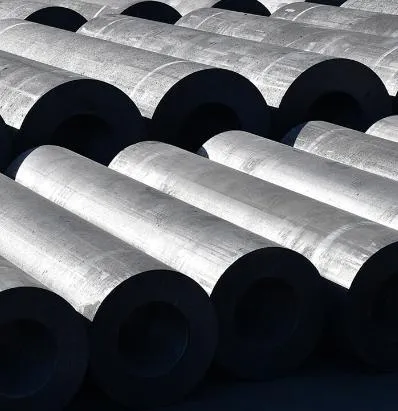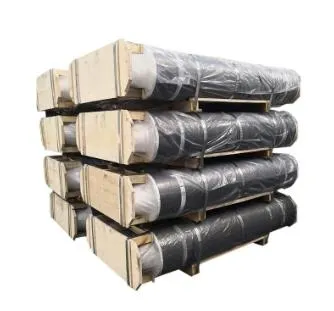


- Englist



Understanding the Function of Petroleum Coke in Modern Industries

What is the Function of Petroleum Coke?
Petroleum coke, often shortened to petcoke, is a carbon-rich byproduct of oil refining. While it might not be a household name, it plays a crucial role in a surprising number of industries. Understanding its functions, different types, and applications is essential for those involved in energy, manufacturing, and materials science. This article will delve into the various roles of petcoke, from aluminum production to steelmaking and beyond. We'll also explore its properties and why it’s a valuable commodity globally. Explore more about advanced carbon materials at NL Graphite.
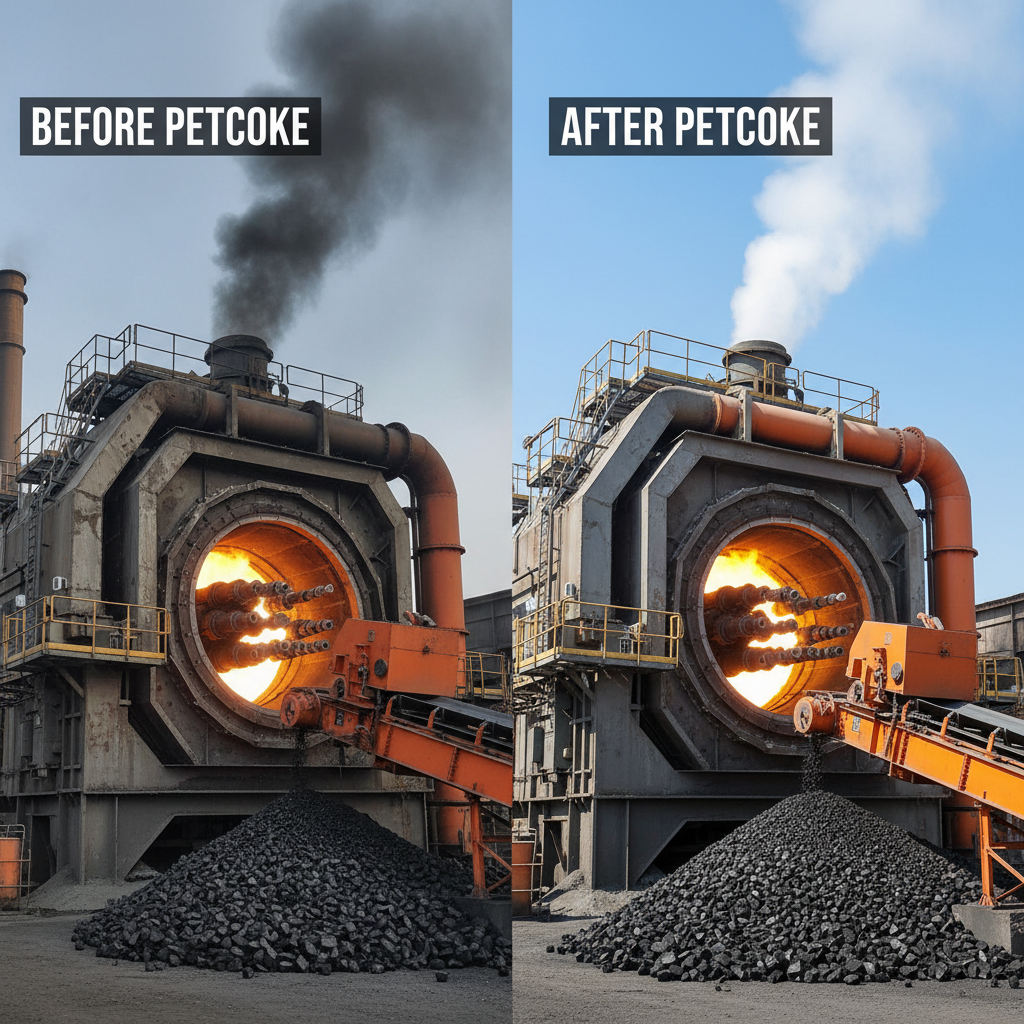
Petroleum Coke: A Deep Dive into its Core Functions
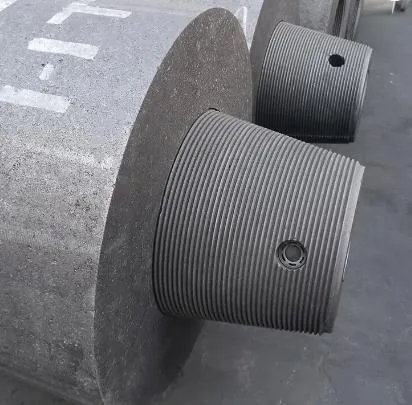
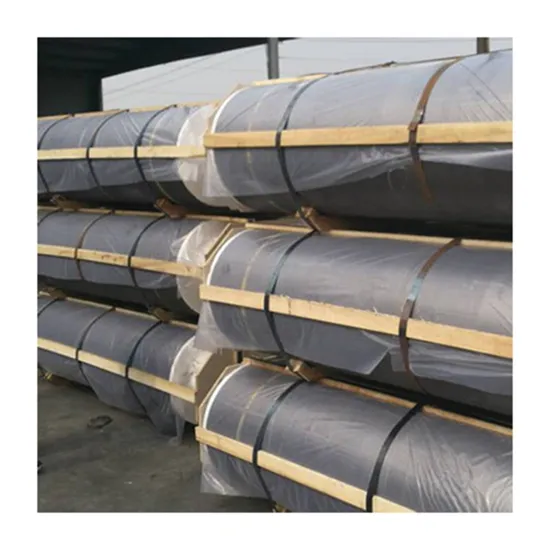
At its most basic, the primary function of petcoke is to serve as a solid carbon source. This carbon is vital in several industrial processes. The vast majority of petcoke (around 70%) is utilized in the aluminum industry. Here, it acts as the carbon anode in the electrolytic smelting process, consuming the carbon to reduce alumina to aluminum. Beyond aluminum, it's heavily used in steelmaking, where it contributes to the carbon content of the steel and acts as a reducing agent. It also has important roles in the production of titanium dioxide pigment, graphite electrodes, and other carbon products. The specific function is dictated by the type of petcoke—delayed coke or fluid coke—and its associated purity and properties.
Key Highlights: Petcoke’s core function is as a carbon source, particularly crucial for aluminum production and steelmaking. Different types cater to specialized industrial needs.
Petroleum Coke in Aluminum Production
The aluminum industry is by far the largest consumer of petcoke. In the Hall-Héroult process, the standard method for aluminum smelting, petcoke forms the anodes. These anodes are consumed during the electrolytic process, providing the carbon needed to reduce alumina (aluminum oxide) into metallic aluminum. The quality of the petcoke directly impacts the efficiency and cost-effectiveness of aluminum production. Higher purity petcoke leads to lower energy consumption and reduced emissions. Therefore, ongoing research focuses on enhancing the properties of petcoke for aluminum applications.
Benefits in Aluminum Production:
• Provides the necessary carbon for the electrolytic process
• Higher purity leads to lower energy consumption
• Contributes to cost-effective aluminum production
Petroleum Coke vs. Other Carbon Sources: A Comparative Analysis
While other carbon sources exist, petcoke offers distinct advantages in many applications. Compared to natural graphite, petcoke is generally less expensive. However, graphite often boasts higher purity and conductivity, making it preferable for certain high-end applications like battery anodes. Coal, another carbon source, typically contains higher levels of ash and sulfur, making it less desirable for applications demanding high purity. The choice of carbon source depends heavily on the specific application, cost considerations, and performance requirements. NL Graphite offers a range of carbon materials to suit diverse needs.
Beyond Aluminum and Steel: Other Key Applications
Petcoke's versatility extends beyond its primary uses. It's a crucial component in the production of titanium dioxide, a widely used white pigment in paints, plastics, and paper. It's also used to manufacture carbon electrodes for the electrolytic production of various chemicals. Further, petcoke finds applications in the cement industry as an alternative fuel source and in the production of activated carbon for water filtration and purification. As environmental concerns grow, exploring petcoke's potential as a feedstock for advanced carbon materials, such as graphene, is gaining momentum.

Petroleum Coke Specifications and Grades
Petroleum coke isn't a one-size-fits-all material. It's categorized into different grades based on its properties, most notably its sulfur content and metallics content. Delayed coke, produced in delayed coking units, generally has lower sulfur content and is preferred for aluminum production. Fluid coke, from fluid coking processes, typically contains higher sulfur levels and is often used in applications where sulfur content is less critical. Here’s a breakdown of typical specifications:
Conclusion: The Indispensable Role of Petroleum Coke
Petroleum coke remains a vital, yet often overlooked, component of numerous industrial processes. From enabling aluminum production to contributing to steelmaking and beyond, its unique properties make it a valuable resource. As industries continue to evolve and seek sustainable solutions, understanding the multifaceted functions of petcoke is crucial. Explore innovative carbon solutions at NL Graphite.
Frequently Asked Questions (FAQs)
What are the environmental concerns associated with petcoke?
Petcoke combustion can release pollutants like sulfur dioxide and particulate matter, contributing to air pollution. Dust control during handling and storage is also a concern. However, advancements in petcoke processing and combustion technologies are minimizing these impacts. The use of petcoke as a feedstock for advanced carbon materials offers a potential route to reduce its environmental footprint by converting it into higher-value products. Responsible handling and adherence to environmental regulations are crucial to mitigate these concerns.
What is the difference between delayed coke and fluid coke?
Delayed coking produces a sponge-like coke with lower sulfur and metallic content, making it ideal for aluminum production and applications requiring high purity. Fluid coking, on the other hand, yields a more granular coke with higher sulfur and metallic concentrations, typically used in applications where these impurities are less critical, such as cement production and as a fuel source. The coking process itself dictates the resulting coke characteristics.
Is petroleum coke considered a coal alternative?
While both petcoke and coal can be used as fuel sources, they have distinct properties. Petcoke generally has a higher heating value and lower ash content than many types of coal. However, its sulfur content can be a concern. It’s often used as a partial replacement for coal in power plants and cement kilns. The choice between the two depends on specific plant requirements, emission regulations, and cost considerations.
 Pervious
 Next
Next