

- Englist



Comprehensive Guide to Coking in Petroleum Refining and Its Technological Advancements

Coking in Petroleum Refining: A Deep Dive
Coking is a crucial thermal cracking process in petroleum refining used to upgrade heavy residual oils into more valuable products like petroleum coke, gas oil, and lighter hydrocarbons. This process plays a vital role in maximizing refinery yields and meeting market demands for cleaner fuels. Understanding the intricacies of coking, its various types, and operational considerations is essential for professionals in the refining industry. We will explore the technology, benefits, and challenges associated with coking, providing a comprehensive overview of this fundamental refining process.
Understanding the Fundamentals of Coking
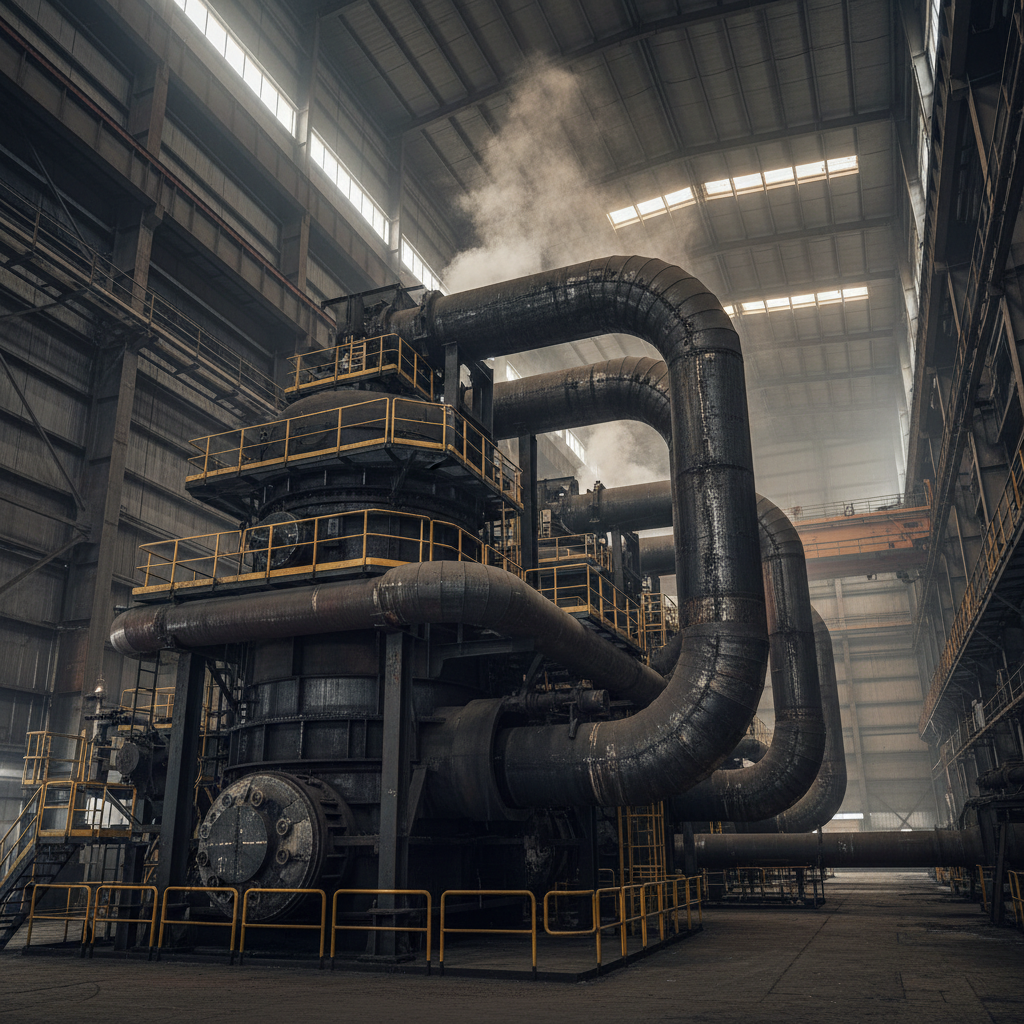
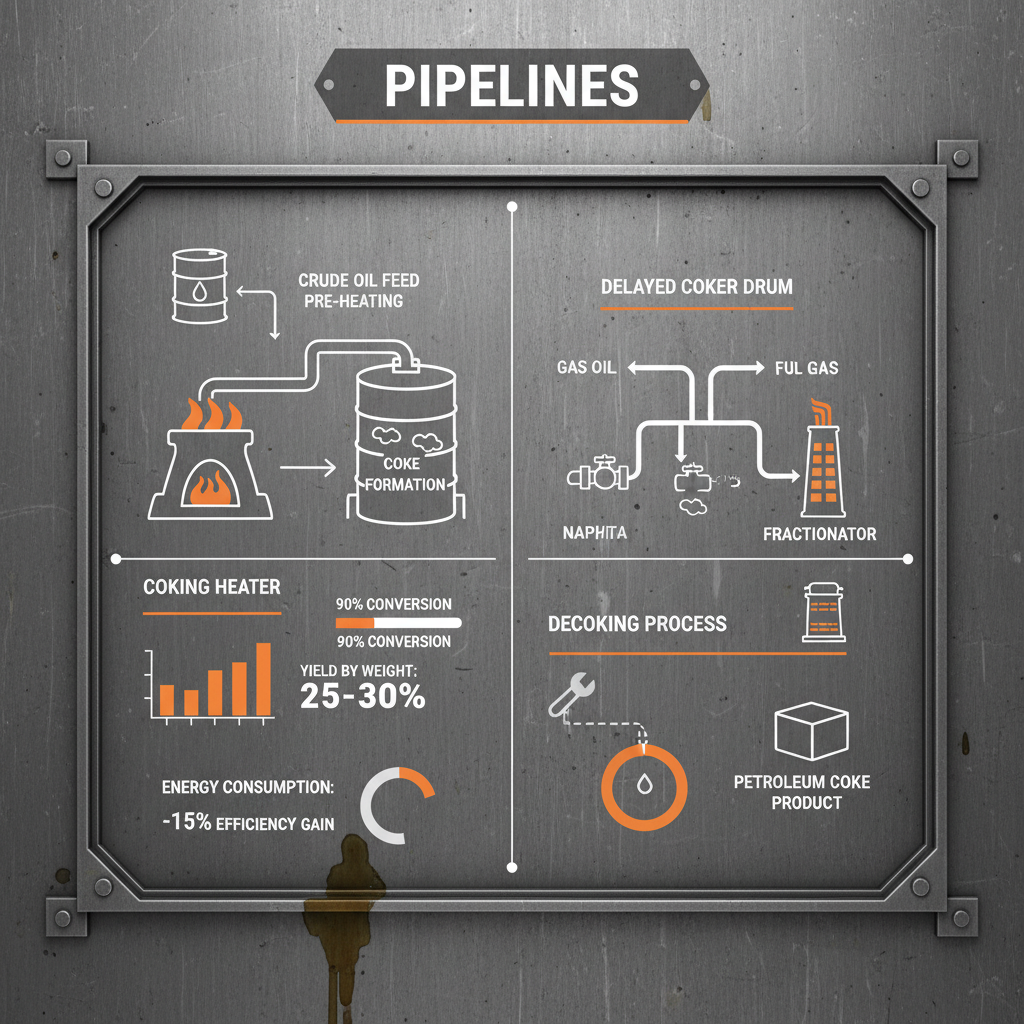
At its core, coking involves heating heavy residual feedstocks to high temperatures (typically 480-520°C) in the absence of oxygen. This intense heat causes the large hydrocarbon molecules to break down into smaller, more volatile components. The solid carbon residue that remains is petroleum coke. There are several types of coking processes, each with its own advantages and disadvantages. Delayed coking, fluid coking, and flexicoking are the most common methods employed in refineries worldwide. The choice of which coking unit to use depends on factors such as feedstock characteristics, desired product slate, and capital investment considerations. The NL Graphite provides the required technology for coking operations.
Key Benefits of Coking: Upgrading heavy residues, increased refinery profitability, production of valuable petroleum coke, and flexibility in product slate.
Types of Coking Processes: A Comparative Analysis
Different coking technologies offer varying levels of efficiency and operational complexity. Delayed coking is the most widely used process, known for its relatively low capital cost and ability to handle a wide range of feedstocks. Fluid coking utilizes a fluidized bed reactor, providing better heat transfer and shorter residence times. Flexicoking combines fluid coking with gasification, enabling complete combustion of the coke and maximizing heat recovery. Each process has specific strengths, and the optimal choice depends on the refinery’s specific needs.
Coking Process Comparison:
• Delayed Coking: Lower capital cost, batch operation.
• Fluid Coking: Continuous operation, better heat transfer.
• Flexicoking: Highest efficiency, complete coke combustion.
Operational Considerations in Coking Units
Safe and efficient operation of coking units requires careful monitoring and control of several key parameters. Maintaining optimal temperature profiles, managing coke drum filling levels, and preventing foaming are crucial for maximizing yields and minimizing downtime. Regular decoking cycles are essential to remove the accumulated coke from the drums. Proper handling of the produced petroleum coke is also vital, as it can pose safety hazards due to its reactivity. Skilled operators and robust process control systems are indispensable for successful coking operations. The NL Graphite offers advanced solutions for optimizing coking unit performance.
Petroleum Coke: Properties and Applications
Petroleum coke, the solid byproduct of coking, is a carbon-rich material with a variety of industrial applications. It’s categorized into ‘green coke’ (uncalcined) and ‘calcined coke’. Calcined coke undergoes further heating to remove volatile compounds, resulting in a purer form of carbon. Petroleum coke is primarily used in the aluminum industry as the carbon anode material. It also finds applications in steelmaking, titanium dioxide production, and the manufacture of carbon brushes and other carbon products. The quality of petroleum coke is crucial for these applications, requiring careful control of its properties such as sulfur content and metal impurities.
The Future of Coking Technology
As refineries strive to meet increasingly stringent environmental regulations and optimize their operations, innovation in coking technology is paramount. Research and development efforts are focused on improving coke quality, reducing emissions, and enhancing energy efficiency. Advanced process control systems, novel reactor designs, and alternative feedstock processing are all areas of active investigation. The NL Graphite is at the forefront of these advancements, offering cutting-edge solutions for the refining industry.
Conclusion: Optimizing Refinery Yields with Coking
Coking remains an indispensable process in modern petroleum refining, enabling the conversion of heavy residues into valuable products. Understanding the intricacies of coking technologies, operational considerations, and future trends is crucial for maximizing refinery profitability and meeting evolving market demands. NL Graphite provides the expertise and technology needed to optimize your coking operations and achieve sustainable success.
Frequently Asked Questions (FAQs)
What are the primary environmental concerns associated with coking?
Coking processes can generate emissions, including sulfur oxides (SOx), nitrogen oxides (NOx), and particulate matter. Proper emissions control technologies, such as scrubbers and electrostatic precipitators, are essential for minimizing environmental impact. Additionally, the handling and disposal of petroleum coke require careful management to prevent dust and potential leaching of contaminants. Refineries are increasingly adopting cleaner coking technologies and implementing best practices for environmental stewardship.
How does feedstock quality affect the coking process?
Feedstock quality significantly impacts coking unit performance. Higher metal content in the feedstock can lead to increased coke deposition and reduced yields. The presence of asphaltenes and other heavy compounds can affect coke drum filling and quenching efficiency. Careful feedstock selection and pre-treatment processes are crucial for optimizing coking operations and minimizing operational challenges.
What is the role of coke handling in a refinery?
Coke handling is a critical aspect of coking unit operations. Proper coke removal from the drums, transportation, and storage are essential for safe and efficient operation. Dust control measures are vital to prevent environmental contamination and health hazards. The coke can be further processed (calcined) or sold as a fuel source. Effective coke handling systems minimize downtime and maximize the value of the produced petroleum coke.
 Pervious
 Next
Next