

- Englist



Acetate Tow Uses: Filters, Clean Draw & Eco Benefits

Acetate Tow Uses is a key solution in the manufacturing industry, specifically within Chemical product manufacturing industry and Artificial fiber manufacturing. This article explores how Shijiazhuang nalai biotechnology Co., Ltd supports professionals with durable, high-performance products, and explains why this product is an ideal choice for businesses in these sectors.
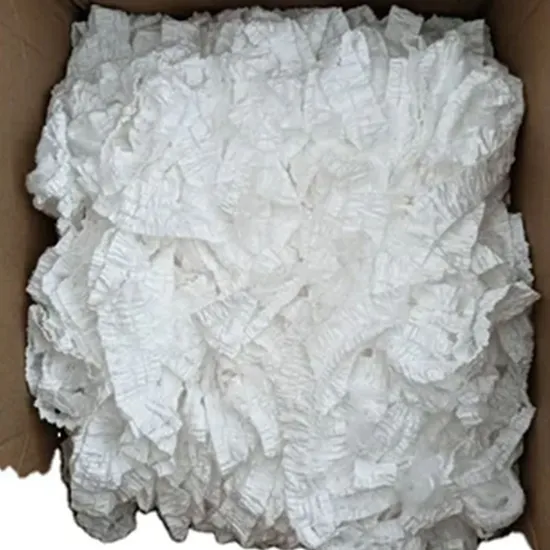
Table of Contents
- Acetate Tow Uses Overview
- Benefits & Use Cases of Acetate Tow Uses in Artificial fiber manufacturing
- Cost, Maintenance & User Experience
- Sustainability & Market Trends in manufacturing
- Conclusion on Acetate Tow Uses from Shijiazhuang nalai biotechnology Co., Ltd
Acetate Tow Uses Overview
Cellulose acetate tow is a continuous bundle of fine cellulose acetate filaments produced from purified wood pulp via acetylation and dry spinning. In artificial fiber manufacturing, it is valued for its uniform crimp, controllable denier, excellent whiteness, and consistent filtration behavior. Typical specifications for high-performance tow include 2.5Y/3.0Y/4.0Y/5.0Y denier classes with total denier in the 30,000–35,000 range, tightly controlled moisture content, and stable crimp per millimeter—parameters that directly influence downstream converting efficiency and product quality. These characteristics make acetate tow a mainstay in filter rod production and a reliable input for select industrial and hygiene applications that require clean processing and predictable performance.
Shijiazhuang nalai biotechnology Co., Ltd supplies cellulose acetate tow engineered for high-speed, high-yield converting environments. Through strict process control and quality assurance, the company delivers consistent tow banding, low variability in pressure drop performance, and dependable packaging that supports fast line changeovers. For B2B decision makers comparing cellulose acetate tow suppliers, NALAI’s blend of product stability, technical support, and on-time delivery provides an efficient, low-risk path to scale and line uptime. Explore product details here: Cellulose Acetate Tow 5.0Y30000.
Benefits & Use Cases of Acetate Tow Uses in Artificial fiber manufacturing
In artificial fiber manufacturing, the most established Acetate Tow Uses are in filter rod production, where tow is opened, plasticized (commonly with triacetin), formed, and cut to precise dimensions. Success depends on tow uniformity: consistent denier per filament, stable crimp, and low contamination directly translate into predictable pressure drop, uniform firmness, and minimal rod breaks. Beyond filter rods, selected tow grades support specialty filtration media, hygiene swabs, applicators, and conversion into staple for technical textiles where clean processing and brightness are priorities.
Competitive advantages delivered by Shijiazhuang nalai biotechnology Co., Ltd include tight denier distribution for process stability, excellent whiteness and brightness for premium visual standards, and packaging designed for high-speed lines to reduce start-up waste. Customers benefit from reduced variability, fewer stoppages, and improved overall equipment effectiveness (OEE). NALAI’s technical team collaborates on specification matching—such as selecting 3.0Y vs. 5.0Y and optimizing moisture and plasticizer uptake—to help plants balance draw resistance targets, rod firmness, and throughput. The result is a robust process window and a reliable path to repeatable quality at industrial scale.
Cost, Maintenance & User Experience
Total cost of ownership for cellulose acetate tow is influenced by acetate tow price, logistics, converting efficiency, and quality consistency. While raw material indices (wood pulp, acetic anhydride), energy, and freight shape headline pricing, the bigger lever for ROI is line performance. A tow grade with low pressure-drop variability, proper crimp, and clean processing reduces start-up scrap, cutter dust, and unplanned downtime—often offsetting marginal unit-cost differences. This is where NALAI’s stable specifications and reliable packaging add measurable value for B2B manufacturers running 24/7 operations.
Feedback from customers in the chemical product manufacturing sector highlights fewer rod breaks, tighter PD standard deviation, and smoother adhesive/plasticizer uptake when switching to NALAI tow. Maintenance teams report decreased cleaning frequency due to lower dust and gel counts, while production managers note faster ramp-to-rate after roll changes. For procurement, partnering with dependable cellulose acetate tow suppliers also de-risks seasonality and supply shocks through multi-lot qualification and forward inventory planning. The net user experience: predictable runs, lower waste, and a clearer path to optimizing cost per thousand rods produced.
Sustainability & Market Trends in manufacturing
Sustainability is redefining fiber and filtration supply chains. Cellulose acetate originates from cellulose, a renewable resource, and manufacturers are tightening solvent recovery, energy efficiency, and water stewardship to reduce emissions intensity. At the application level, companies are adopting eco-design principles, enhancing recyclability where feasible, and supporting extended producer responsibility (EPR) initiatives. Regulatory and brand pressures are pushing the market toward traceable raw materials, audited environmental performance, and continuous reduction of production waste.
Shijiazhuang nalai biotechnology Co., Ltd is aligning with these trends by emphasizing process control, resource efficiency, and quality stability—practical levers that minimize scrap, extend equipment life, and reduce the footprint per finished unit. The company collaborates with partners on specification optimization to cut waste at high speeds, supports data-driven QA for compliance, and explores packaging and logistics improvements to lower transport emissions. For B2B buyers, choosing a forward-thinking supplier helps satisfy internal ESG targets while ensuring a secure, resilient supply of tow as the market evolves.
Conclusion on Acetate Tow Uses from Shijiazhuang nalai biotechnology Co., Ltd
From filter rods to specialty media, Acetate Tow Uses deliver consistent converting performance and dependable quality for chemical and artificial fiber manufacturers. Shijiazhuang nalai biotechnology Co., Ltd pairs stable specifications with responsive technical support, helping plants cut waste, maximize uptime, and manage acetate tow price volatility through smarter procurement and planning. When benchmarking cellulose acetate tow suppliers, NALAI stands out for reliability, product consistency, and a pragmatic sustainability mindset.
- Contact us: email: info@nalaibio.com
- Visit our website: https://www.nlgraphite.com
 Pervious
 Next
Next