

- Englist



Carbon Electrode Paste Uses: Safer, Low-Ash, Cost-Saving?

carbon electrode paste uses,carbon paste electrode price,carbon paste electrode is a key solution in the Materials industry industry, specifically within carbon materials and Carbon electrode material. This article explores how Shijiazhuang nalai biotechnology Co., Ltd supports professionals with durable, high-performance products, and explains why this product is an ideal choice for businesses in these sectors.
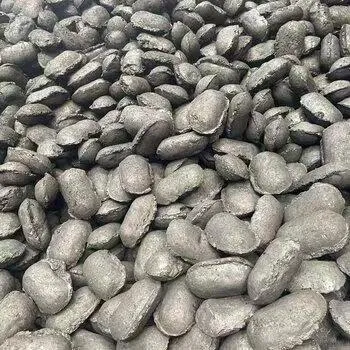
Table of Contents
- carbon electrode paste uses,carbon paste electrode price,carbon paste electrode Overview
- Benefits & Use Cases of carbon electrode paste uses,carbon paste electrode price,carbon paste electrode in Carbon electrode material
- Cost, Maintenance & User Experience
- Sustainability & Market Trends in Materials industry
- Conclusion on carbon electrode paste uses,carbon paste electrode price,carbon paste electrode from Shijiazhuang nalai biotechnology Co., Ltd
carbon electrode paste uses,carbon paste electrode price,carbon paste electrode Overview
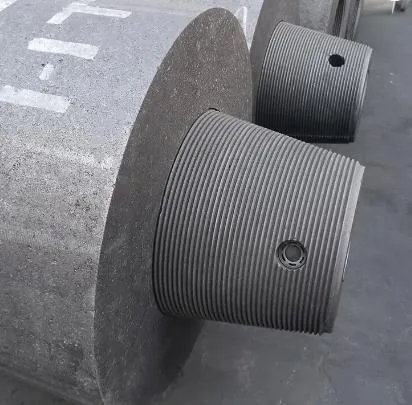
Carbon electrode paste—often called Soderberg paste—is a formable, self-baking carbon material used to build electrodes directly inside submerged arc furnaces. Engineered from calcined carbon aggregates (such as anthracite or petroleum coke) and a pitch-based binder, the paste softens, compacts, and cokes in operation to become a robust, conductive carbon electrode. Within the Materials industry’s carbon materials segment, it is indispensable for ferroalloys, silicon metal, and calcium carbide production where thermal shock resistance, controlled baking, and consistent electrical conductivity are mission-critical.
Typical specification focus areas include fixed carbon and ash content, sulfur levels, apparent density, softening point and coking value of the binder, particle size distribution, and electrical resistivity. Tight control across these parameters translates into fewer electrode incidents, stable furnace load, and improved metal yield. Shijiazhuang nalai biotechnology Co., Ltd manufactures carbon paste electrode solutions with attention to process stability, formula consistency, and reliable delivery—helping B2B operators standardize performance across fleets and sites. For procurement teams, this combination of technical rigor and dependable supply is key to reducing operational variability and unplanned downtime.
Benefits & Use Cases of carbon electrode paste uses,carbon paste electrode price,carbon paste electrode in Carbon electrode material
Core carbon electrode paste uses include self-baking electrodes in submerged arc furnaces producing ferrosilicon, silicon manganese, calcium carbide, and silicon metal. In these high-load environments, paste quality governs the baking zone’s stability, electrode drop rate, current distribution, and overall furnace availability. A well-formulated carbon paste electrode exhibits low ash and controlled sulfur, strong cohesion during forming, and predictable coking behavior—reducing breakage risk and improving kWh-per-ton efficiency.
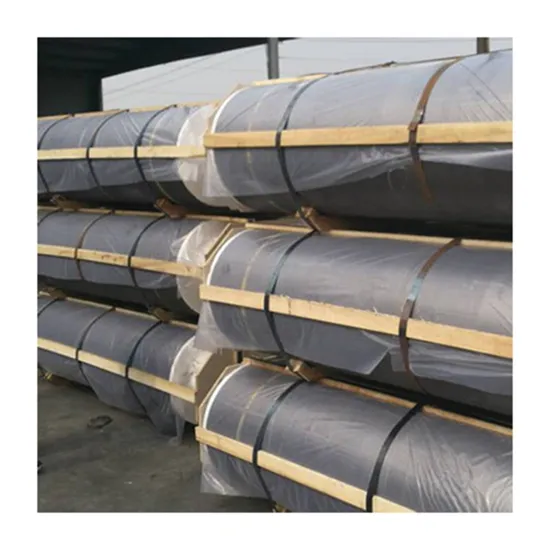
Competitive advantages often realized by end users include smoother startup and ramp-up curves, fewer slip and jam events, improved tap-to-tap consistency, and lower total electrode consumption per ton. With sector knowledge spanning raw material selection to on-site application guidance, Shijiazhuang nalai biotechnology Co., Ltd supports customers through formulation optimization, packaging fit for climate and handling conditions, and timely technical feedback loops. The outcome is a dependable carbon paste electrode that aligns with furnace design, power profile, and target chemistry—helping plants run harder and longer with fewer interruptions.
Cost, Maintenance & User Experience
For buyers weighing carbon paste electrode price, the true decision hinges on total cost of ownership. Beyond the invoice, value depends on electrode consumption rate, furnace power stability, slag/metal quality, maintenance hours, and safety incidents avoided. A paste that bakes uniformly can reduce “event costs” (breakages, furnace trips, and partial shutdowns) that dwarf minor unit-price differences. Consistency also matters for scheduling and labor: predictable drop rates simplify planning and reduce manual interventions.
Customers in the carbon materials sector report better ROI when paste specifications and handling protocols are aligned: clean storage, controlled heating where applicable, proper compaction, and continuous monitoring of baking zone temperature and voltage. Shijiazhuang nalai biotechnology Co., Ltd backs this with technical service, practical training, and responsive logistics. Packaging options (e.g., briquettes or blocks, ton-bag formats) streamline handling, while data-driven adjustments help stabilize performance season to season. When evaluated over a campaign, these factors collectively compress cost per ton and elevate user experience.
Sustainability & Market Trends in Materials industry
Carbon-intensive industries face rising expectations on emissions, traceability, and workplace exposure. For carbon electrode materials, trends include lower-PAH binders, reduced sulfur and ash inputs, and tighter control of volatiles to mitigate fumes during baking. Regulatory attention toward PAH content and occupational hygiene is pushing a shift to cleaner binder systems and improved fume capture—without sacrificing electrode integrity. Supply chain resilience is another strategic theme, with buyers prioritizing raw-material transparency and multi-source risk management.
Shijiazhuang nalai biotechnology Co., Ltd approaches sustainability pragmatically: stable formulations that minimize waste, quality control that curbs scrap and rework, and guidance that helps customers optimize furnace settings for lower specific energy consumption. By focusing on consistent quality and application support, the company enables operators to meet internal ESG goals and external compliance requirements while preserving throughput. As the market advances, expect continued innovation in binder chemistry, dust suppression, and packaging—making carbon electrode paste both cleaner and more efficient.
Conclusion on carbon electrode paste uses,carbon paste electrode price,carbon paste electrode from Shijiazhuang nalai biotechnology Co., Ltd
From ferroalloys to silicon metal, carbon electrode paste remains a pivotal lever for furnace uptime, energy efficiency, and product quality. When selecting a supplier, look beyond carbon paste electrode price alone—insist on proven consistency, responsive support, and supply assurance. Shijiazhuang nalai biotechnology Co., Ltd delivers on these priorities, helping B2B operators reduce risk and maximize ROI across campaigns.
Contact us: email: info@nalaibio.com
Visit our website: https://www.nlgraphite.com
 Pervious
 Next
Next