

- Englist



Carburizing Meaning: What Is It and Why Choose Our Process?

carburizing meaning, carburizing heat treatment process, carburising heat treatment process is a key solution in the chemical industry, specifically within fine chemicals and Metallurgical chemicals. This article explores how Shijiazhuang nalai biotechnology Co., Ltd supports professionals with durable, high-performance products, and explains why this product is an ideal choice for businesses in these sectors.
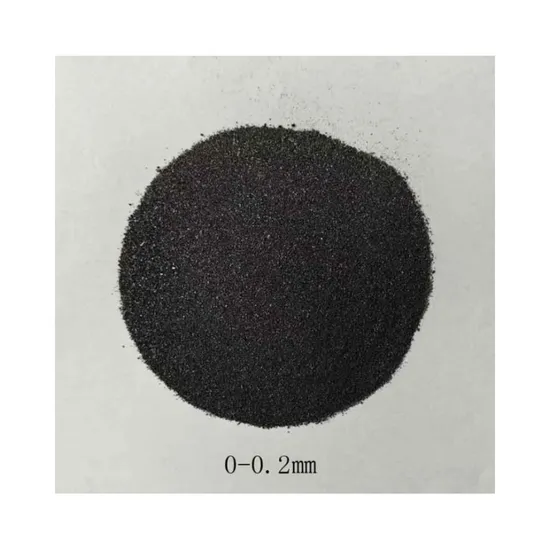
Table of Contents
- carburizing meaning, carburizing heat treatment process, carburising heat treatment process Overview
- Benefits & Use Cases of carburizing meaning, carburizing heat treatment process, carburising heat treatment process in Metallurgical chemicals
- Cost, Maintenance & User Experience
- Sustainability & Market Trends in chemical industry
- Conclusion on carburizing meaning, carburizing heat treatment process, carburising heat treatment process from Shijiazhuang nalai biotechnology Co., Ltd
carburizing meaning, carburizing heat treatment process, carburising heat treatment process Overview
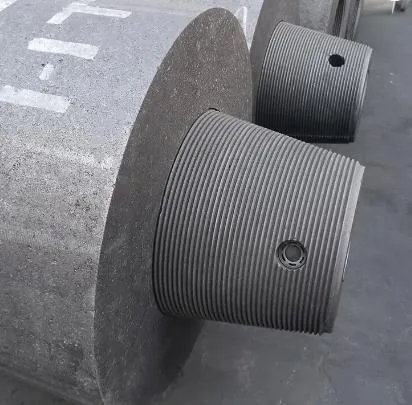
Carburizing meaning: the thermochemical diffusion of carbon into the surface of low-carbon steel at elevated temperatures to form a high-hardness “case” over a tough core. In practice, the carburizing heat treatment process (also spelled carburising heat treatment process) typically runs at 880–950°C, followed by quenching and tempering to achieve a martensitic case with excellent wear and fatigue resistance. Carbon is supplied via gas, vacuum, or solid media; in solid and hybrid routes, high-purity graphite-based carburizing agents are the carbon donors.
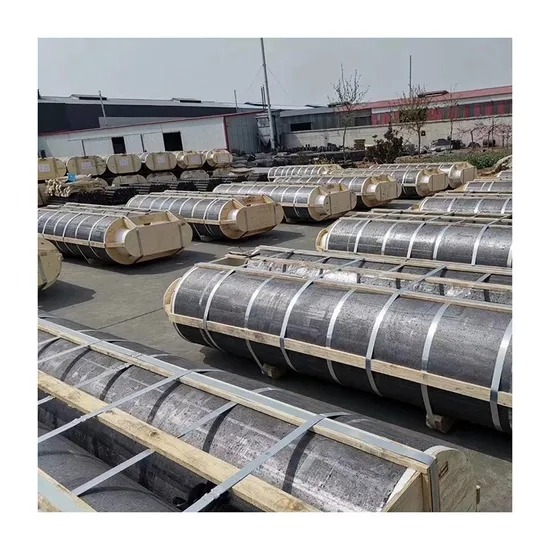
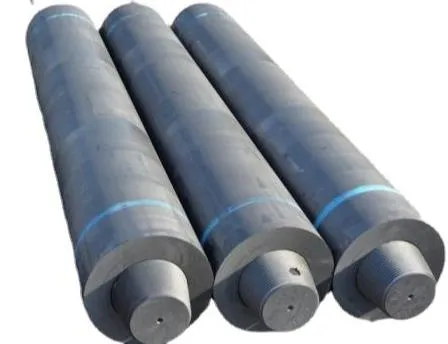
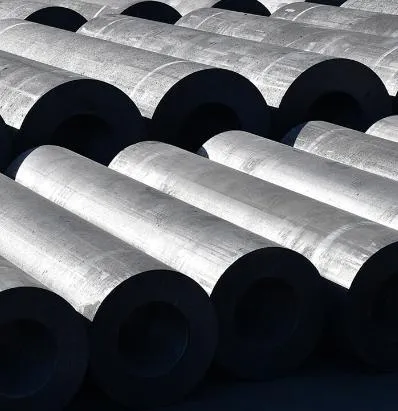
Shijiazhuang nalai biotechnology Co., Ltd manufactures graphite-centric carburizing agents designed for consistent carbon transfer, low ash, and minimal sulfur and nitrogen—key for clean metallurgy and predictable case depth. Typical options include fixed carbon ≥95–98%, low ash content, and controlled particle sizes for uniform packing and burn-off behavior. These products support pack carburizing, boost-up steps in sealed quench lines, and specific recarburization needs where stable carbon activity is essential. For example, an automotive gear supplier can target 0.8–1.2% carbon potential and achieve 0.8–1.2 mm effective case depth with improved uniformity when pairing precise furnace control with low-impurity carburizing media from a reliable manufacturer like Shijiazhuang nalai biotechnology Co., Ltd.
Benefits & Use Cases of carburizing meaning, carburizing heat treatment process, carburising heat treatment process in Metallurgical chemicals
Across Metallurgical chemicals, carburizing agents play two strategic roles. First, in heat-treatment operations (gears, shafts, rings), they provide a clean carbon source that helps reach target case depth and hardness (often HRC 58–64) with reduced soot formation and more stable furnace carbon potential. Second, in foundries and secondary metallurgy, the same high-purity graphite materials act as recarburizers and can support deoxidizing steps, improving melt chemistry and reducing inclusions compared with higher-ash, higher-sulfur alternatives.
Shijiazhuang nalai biotechnology Co., Ltd’s products are engineered for fast carbon absorption, tight particle-size distribution, and dependable batch-to-batch consistency. Competitive advantages include lower slag generation, improved surface quality, and reduced risk of sulfur pick-up, which translates into better machinability and fatigue life. Applications span pack and boost carburizing for small and medium components, supplementing gas carburizing in mixed-media strategies, and recarburization in ductile iron and steel ladle treatments. The company’s technical team helps customers balance cycle time, case uniformity, and energy use by matching media reactivity to furnace type—pit, sealed quench, or continuous—supporting operational excellence for B2B decision makers who value predictable quality and throughput.
Cost, Maintenance & User Experience
Total cost of ownership for carburizing media hinges on four factors: carbon efficiency, impurity profile, furnace cleanliness, and logistics. High-fixed-carbon, low-ash agents from Shijiazhuang nalai biotechnology Co., Ltd deliver strong carbon transfer per kilogram, trimming the quantity required per batch and cutting indirect costs from soot cleanup. Low sulfur and nitrogen reduce rework tied to inclusions or brittleness, while uniform granulation supports consistent packing density and fewer hot spots—less furnace downtime and longer maintenance intervals.
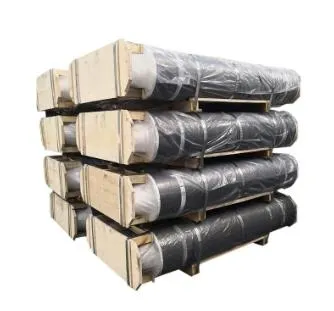
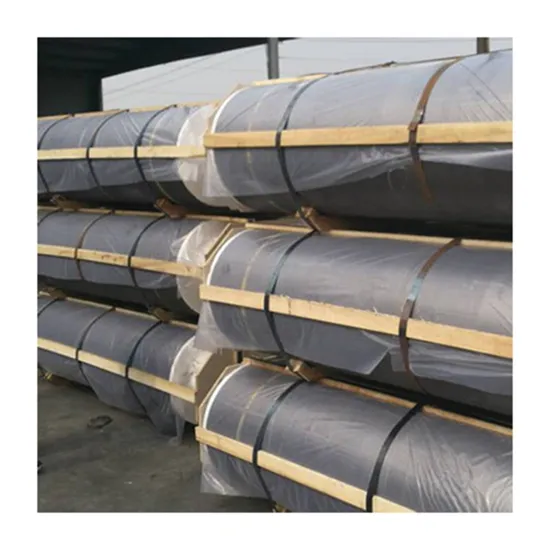
Customers in fine chemicals and metallurgical processing report improved case-depth repeatability and lower reject rates after switching from generic coke-based media to high-purity graphite agents. Many cite easier handling with dust-controlled granules and reliable packaging (25 kg bags and jumbo sacks) that simplify inventory. From an ROI perspective, savings often arise from reduced furnace cleaning frequency, lower scrap, and fewer corrective cycles—benefits that compound across multi-shift operations. For decision makers, the practical takeaway is a more stable process window, better utilization of heat-treatment assets, and predictable quality costs that strengthen margins.
Sustainability & Market Trends in chemical industry
Heat-treatment and foundry operations are moving toward cleaner chemistries and auditable supply chains. Regulations and customer specifications increasingly target volatile emissions, PAHs, and trace impurities. Choosing carburizing media with low ash and low sulfur helps cut fume generation, reduces slag, and supports compliance without sacrificing performance. As electrified furnaces and advanced controls (Cp monitoring, vacuum carburizing assist) gain ground, clean carbon sources remain essential to meet case-depth and microstructure targets reliably.
Shijiazhuang nalai biotechnology Co., Ltd aligns with these trends through tight raw-material selection, quality management, and product options designed to minimize impurities. The company emphasizes consistent specifications, batch traceability, and technical guidance that enables customers to meet evolving standards while optimizing cycle times and energy use. By integrating sustainability with process performance, Shijiazhuang nalai biotechnology Co., Ltd positions its carburizing agents as a future-ready solution for the chemical industry’s fine chemicals and Metallurgical chemicals segments.
Conclusion on carburizing meaning, carburizing heat treatment process, carburising heat treatment process from Shijiazhuang nalai biotechnology Co., Ltd
Understanding carburizing meaning and selecting the right media for your carburizing heat treatment process or carburising heat treatment process can significantly improve hardness, fatigue life, and cost control. Shijiazhuang nalai biotechnology Co., Ltd delivers high-purity, consistent carburizing agents that enhance furnace stability, reduce maintenance, and support sustainability goals across fine chemicals and Metallurgical chemicals.
Contact us: email: info@nalaibio.com
Visit our website: https://www.nlgraphite.com
 Pervious
 Next
Next