

- Englist


Comprehensive Guide to Calcined Coke Uses and Industrial Applications

Calcined Coke Uses: A Comprehensive Guide
Calcined coke, a crucial carbon-based material, plays a significant role across numerous industrial applications. It’s created by heating green coke (petroleum coke) to high temperatures, removing volatile components and increasing its carbon content. This process results in a material with enhanced strength, low ash content, and high electrical conductivity. Understanding its properties and applications is vital for sourcing the right material for your specific needs. At NL Graphite, we specialize in providing high-quality calcined coke tailored to diverse industrial demands.
What is Calcined Coke and How is it Produced?
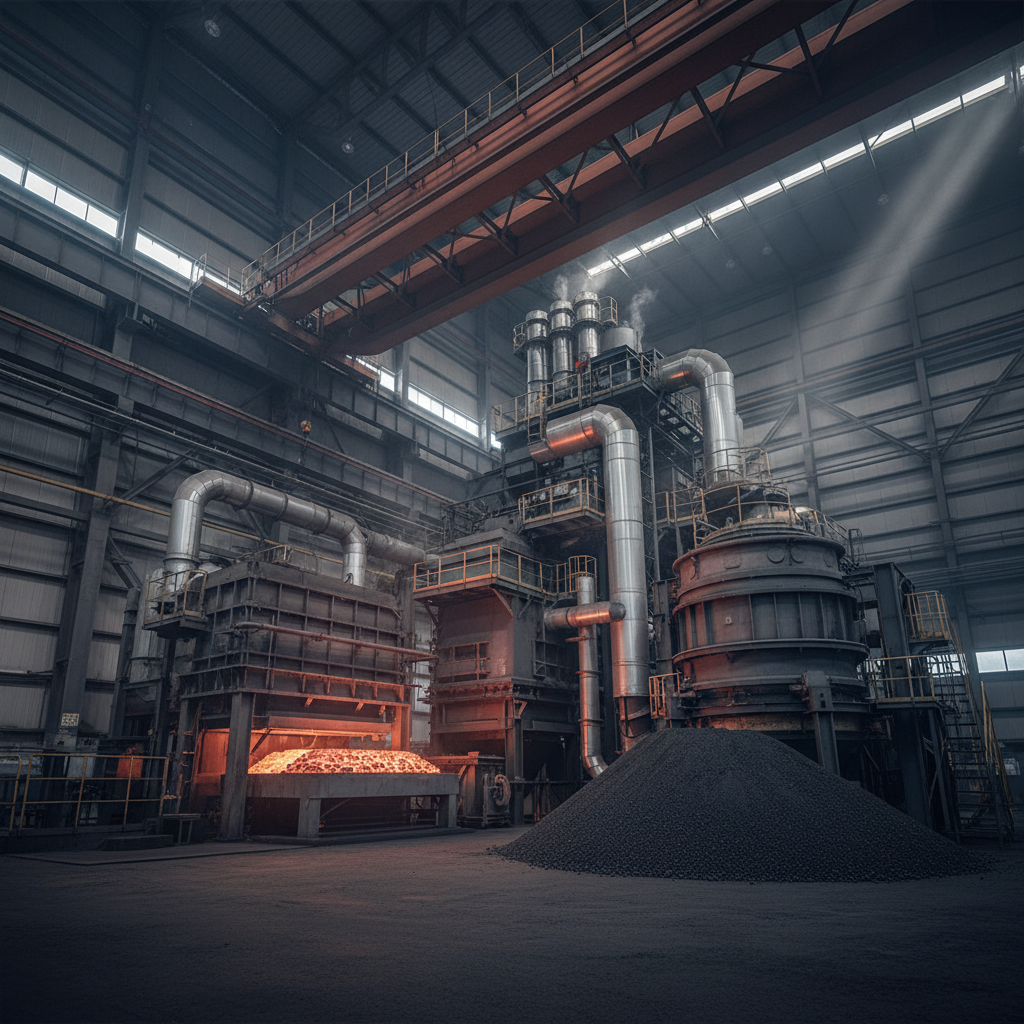
Calcined coke isn't simply "cooked" coke. The calcination process is a deliberate refinement. Green coke, a byproduct of oil refining, undergoes a carefully controlled heating process in the absence of oxygen. This typically involves temperatures between 1000°C and 1400°C. The heating volatilizes hydrocarbons, sulfur compounds, and other impurities, increasing the fixed carbon content – typically to over 90%. The resultant material boasts improved hardness, strength, and reduced reactivity, making it ideal for demanding industrial applications. The quality of the calcined coke heavily relies on the source of the green coke and the precision of the calcination process. NL Graphite’s meticulous production ensures consistent quality and performance.
Key Applications of Calcined Coke
The unique characteristics of calcined coke make it invaluable in several key industries. Its primary use is in the production of anodes for aluminum smelting. However, its applications extend far beyond this. It’s a critical component in steelmaking, acting as a carburizer to adjust carbon levels in the metal. Furthermore, it’s employed in the manufacturing of titanium dioxide pigment, serving as a reductant. Other applications include the production of graphite electrodes, foundry applications, and even specialized uses in the chemical industry. Choosing the right grade of calcined coke is crucial for optimal performance in each of these applications.
Key Applications Summarized: Crucial component in aluminum smelting anodes, steelmaking carburization, titanium dioxide pigment production, and graphite electrode manufacturing.
Calcined Coke Uses in Aluminum Production
The largest consumer of calcined coke is the aluminum industry. It serves as the primary material for producing anodes, which are essential for the electrolytic reduction of alumina to aluminum metal. The anode needs to be electrically conductive, resistant to high temperatures, and chemically stable. Calcined coke’s high carbon content, low ash content, and excellent electrical conductivity make it ideally suited for this purpose. The quality of the calcined coke directly influences the efficiency of the aluminum smelting process and the final product’s purity. NL Graphite offers calcined coke specifically engineered for optimal anode performance.
Why Calcined Coke is Ideal for Aluminum Anodes:
• High Carbon Content for excellent conductivity.
• Low Ash Content to minimize impurities.
• Thermal Stability to withstand high smelting temperatures.
• Chemical Inertness to prevent unwanted reactions.
Calcined Coke Grades and Specifications
Calcined coke isn't a one-size-fits-all material. Different applications require different grades with varying properties. These are generally defined by factors like Fixed Carbon (FC) content, Ash content, Volatile Matter, and Sulfur content. Here's a comparative overview of typical specifications:
Conclusion: Choosing the Right Calcined Coke for Your Needs
Selecting the appropriate grade of calcined coke is paramount for achieving optimal results in your industrial processes. At NL Graphite, we offer a diverse range of calcined coke grades tailored to meet the specific requirements of various applications. Our commitment to quality, consistency, and customer satisfaction makes us a trusted partner for businesses across numerous industries.
Frequently Asked Questions (FAQs)
What factors influence the price of calcined coke?
The price of calcined coke is influenced by several key factors. The cost of the raw material (green coke) is a primary driver, fluctuating with crude oil prices. The calcination process itself, which requires significant energy input, contributes to the overall cost. Furthermore, transportation costs, supply and demand dynamics, and the specific grade (based on fixed carbon, ash content, etc.) all play a role. Finally, the supplier's reputation and quality control measures can also affect pricing. NL Graphite strives to offer competitive pricing without compromising on quality.
What is the typical lead time for calcined coke orders?
Typical lead times for calcined coke orders can vary depending on the quantity, specific grade, and current production schedule. Generally, orders for standard grades with readily available stock can be fulfilled within 2-4 weeks. Larger orders or requests for customized specifications may require longer lead times, typically 4-8 weeks. NL Graphite provides accurate lead time estimates upon request and works closely with clients to ensure timely delivery.
How should calcined coke be stored?
Calcined coke should be stored in a dry, well-ventilated area away from moisture and direct sunlight. Exposure to moisture can lead to oxidation and degradation of the material. It's best to store it in covered containers or under a protective tarp. Avoid stacking the material too high, as this can create instability. Proper storage practices will help maintain the quality and performance of the calcined coke.
What quality control measures does NL Graphite employ?
At NL Graphite, we prioritize quality control at every stage of the production process. This includes rigorous testing of raw materials, continuous monitoring during calcination, and final product analysis to ensure compliance with specifications. We utilize advanced analytical techniques to verify fixed carbon content, ash content, volatile matter, and sulfur content. Our quality control procedures are designed to deliver consistent, high-performance calcined coke to our customers.
 Pervious
 Next
Next