

- Englist



Comprehensive Guide to Coke Petroleum Products and Their Industrial Applications

Coke Petroleum Products: A Comprehensive Overview
Coke petroleum products represent a diverse range of materials derived from the processing of crude oil and coal. These products are foundational to numerous industries, serving as critical feedstocks for plastics, fuels, and various chemical processes. Understanding the types, applications, and emerging trends within this sector is crucial for businesses involved in petrochemicals, energy, and manufacturing. NL Graphite is a leading provider of high-quality graphite solutions crucial for many coke petroleum processing applications. Exploring these products reveals the complex interplay of refining, chemical engineering, and global market dynamics.

Understanding the Range of Coke Petroleum Products
The term "coke petroleum products" encompasses a broad spectrum of substances. These include petroleum coke, which is a carbonaceous residue obtained from oil refining; pitch coke, produced from coal tar; and various other derived products used as fuel, carbon materials, and chemical intermediates. Each product possesses unique properties that determine its suitability for specific applications. Petroleum coke, for example, is a high-carbon, low-sulfur material widely used in aluminum production and as a solid fuel. Understanding the composition and characteristics of each product is essential for optimal utilization and process efficiency.
Key Highlights: Coke petroleum products are essential building blocks for a wide range of industries, from aluminum production to chemical manufacturing. Their versatility and unique properties make them indispensable in modern industrial processes.
Petroleum Coke: Types and Applications
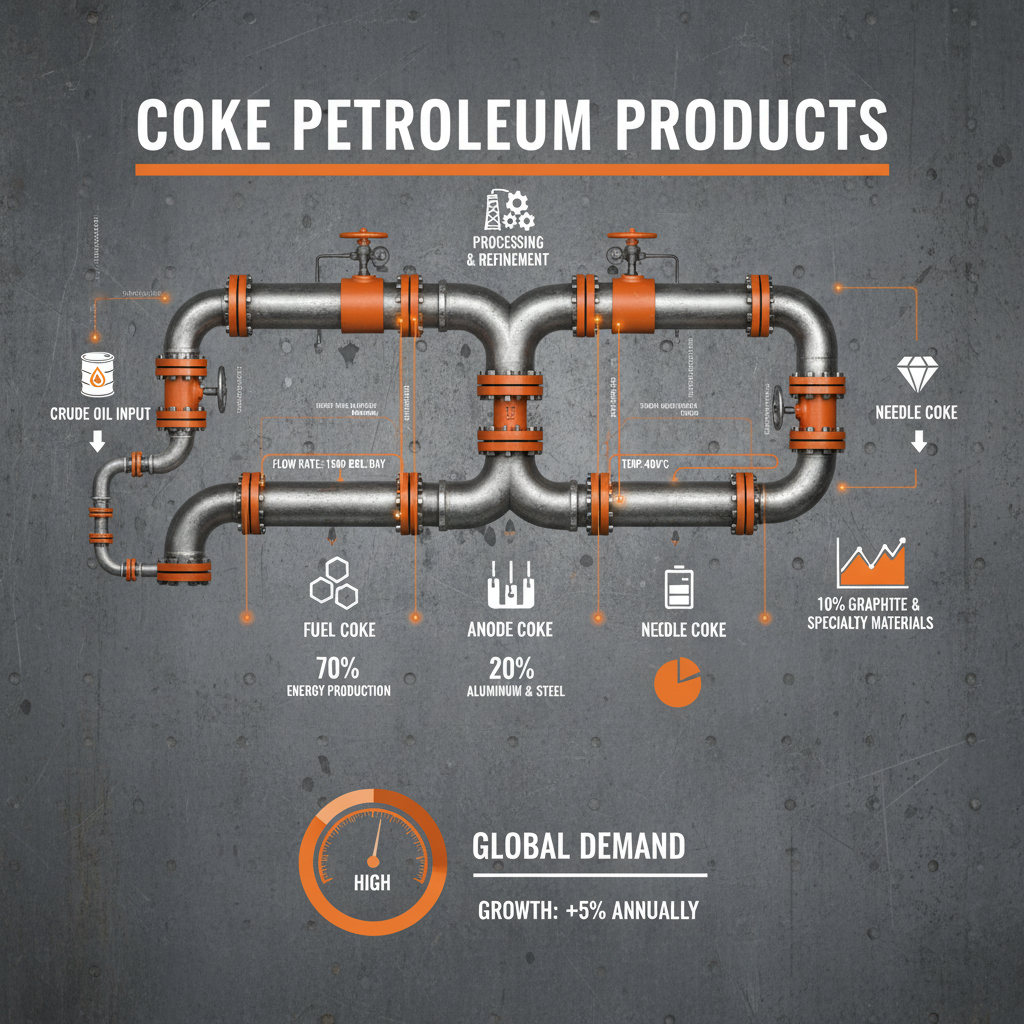
Petroleum coke is primarily categorized into two main types: calcined coke and green coke. Calcined coke undergoes a heating process to remove volatile components, resulting in a highly carbonaceous material with enhanced conductivity and strength. Green coke, on the other hand, is the raw product obtained directly from the coking process. The applications of petroleum coke are diverse, including as an anode material in aluminum smelting, a fuel source for power generation, and a carbon additive in metallurgical processes. Demand for high-quality petroleum coke is steadily increasing due to its cost-effectiveness and environmental benefits compared to other carbon sources.
Petroleum Coke Applications:
• Aluminum Production: Anode material
• Power Generation: Fuel source
• Metallurgy: Carbon additive
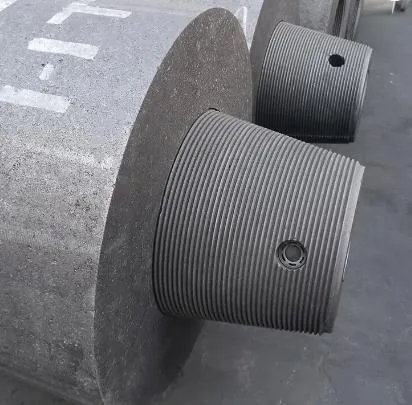
• Graphite Production: Key Raw Material
Coke Petroleum Products vs. Coal-Based Coke: A Comparison
While both coke petroleum products and coal-based coke serve similar functions in certain applications, their properties and production processes differ significantly. Petroleum coke generally exhibits lower sulfur content and higher purity than coal-based coke, making it preferred in applications where these characteristics are critical, such as aluminum production. However, coal-based coke is often more readily available and cost-effective. The choice between the two depends on specific application requirements, environmental regulations, and economic considerations. NL Graphite's graphite solutions frequently work in conjunction with both types of coke, enhancing their performance.
Global Market Trends and Future Outlook
The global market for coke petroleum products is influenced by factors such as crude oil prices, aluminum demand, and environmental regulations. Growing demand for lightweight materials in the automotive and aerospace industries is driving increased aluminum production, which in turn boosts demand for petroleum coke. Furthermore, advancements in coking technologies are improving product quality and reducing environmental impact. The future of the industry will likely focus on sustainable practices, including carbon capture and utilization technologies, and the development of higher-value products from coke petroleum streams.
The Role of Graphite in Coke Petroleum Processing
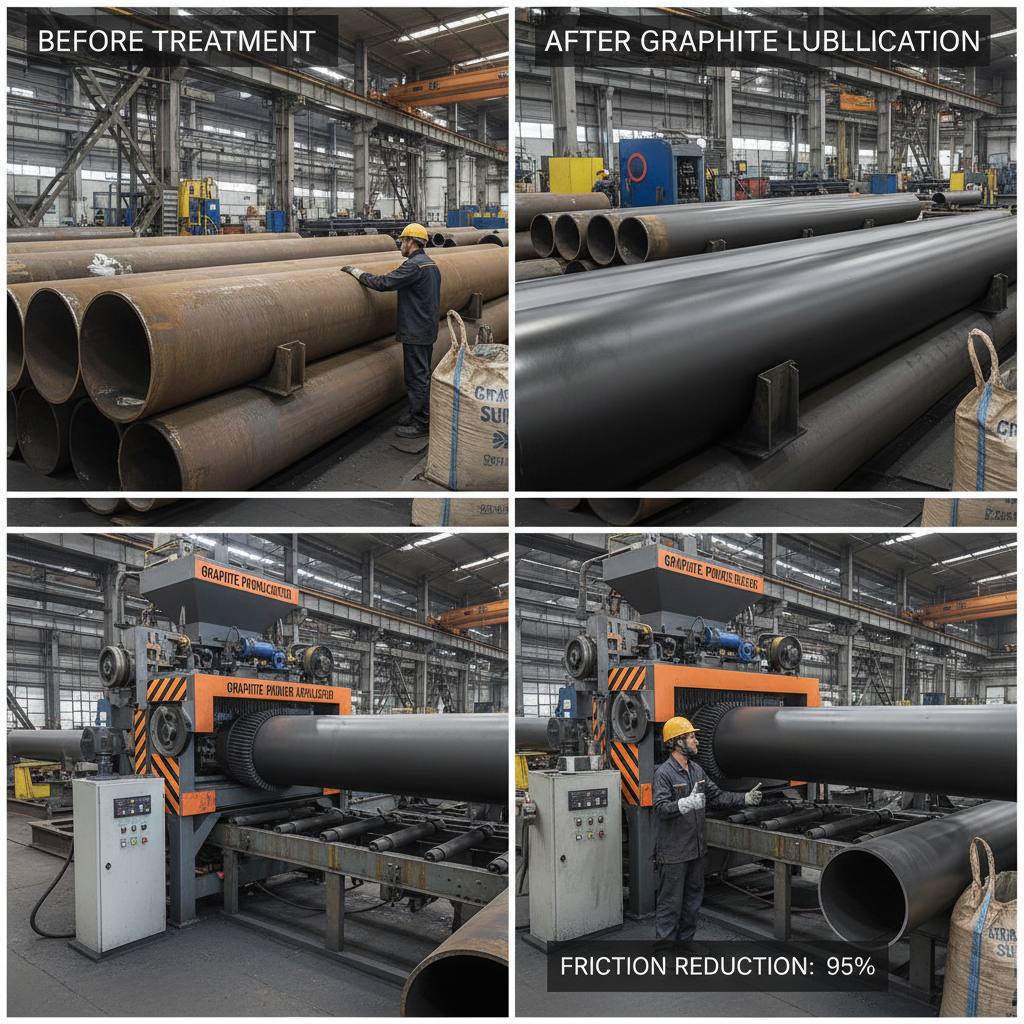
Graphite plays a crucial role in various stages of coke petroleum processing. It's used in refractories to withstand high temperatures, as a component in electrodes for electrolytic processes, and as a lubricant to improve efficiency. NL Graphite provides a range of high-purity graphite materials tailored for these demanding applications, enhancing process performance and extending equipment lifespan. The synergistic relationship between coke petroleum products and graphite highlights the importance of material science in optimizing industrial processes.
Conclusion: The Future of Coke Petroleum Products
Coke petroleum products remain vital to a wide array of industries, continually evolving to meet changing demands and sustainability goals. By understanding their properties, applications, and market trends, businesses can optimize their operations and capitalize on emerging opportunities. The integration of advanced materials like graphite, as offered by NL Graphite, is key to driving innovation and efficiency in this dynamic sector.
Frequently Asked Questions (FAQs)
What are the environmental concerns associated with petroleum coke?
Petroleum coke production and use can raise environmental concerns due to its carbon content and potential for sulfur emissions. However, advancements in refining technologies and pollution control measures are mitigating these impacts. The industry is also exploring carbon capture and utilization technologies to reduce its carbon footprint. Proper handling and storage of petroleum coke are crucial to prevent dust emissions and water contamination.
How is petroleum coke used in the aluminum industry?
Petroleum coke is a critical component in the aluminum smelting process. It serves as the anode material, conducting electricity and facilitating the reduction of alumina to aluminum. The high carbon content and low sulfur content of calcined coke make it ideal for this application. The quality of the petroleum coke directly impacts the efficiency and cost-effectiveness of aluminum production.
What is the difference between calcined and green coke?
Green coke is the raw byproduct of the coking process, containing volatile components and impurities. Calcined coke is produced by heating green coke to remove these volatiles, resulting in a highly carbonaceous, purified product. Calcined coke has superior conductivity, strength, and lower sulfur content, making it suitable for demanding applications like aluminum production. Green coke can be used in less stringent applications or further processed into calcined coke.
 Pervious
 Next
Next