

- Englist



Pet Coke Use in Cement Industry Optimizing Efficiency and Sustainability

Pet Coke Use in Cement Industry: A Comprehensive Guide
Petroleum coke (pet coke) has become an increasingly important alternative fuel and raw material in the cement industry. Its high calorific value and relatively low cost make it an attractive option for reducing energy costs and emissions. However, its use also presents environmental and operational challenges. This article will explore the benefits, drawbacks, and best practices related to pet coke utilization in cement manufacturing, highlighting its impact on efficiency and sustainability. We will discuss the implications for cement producers looking to optimize their operations and reduce their environmental footprint.
The Benefits of Using Pet Coke in Cement Production
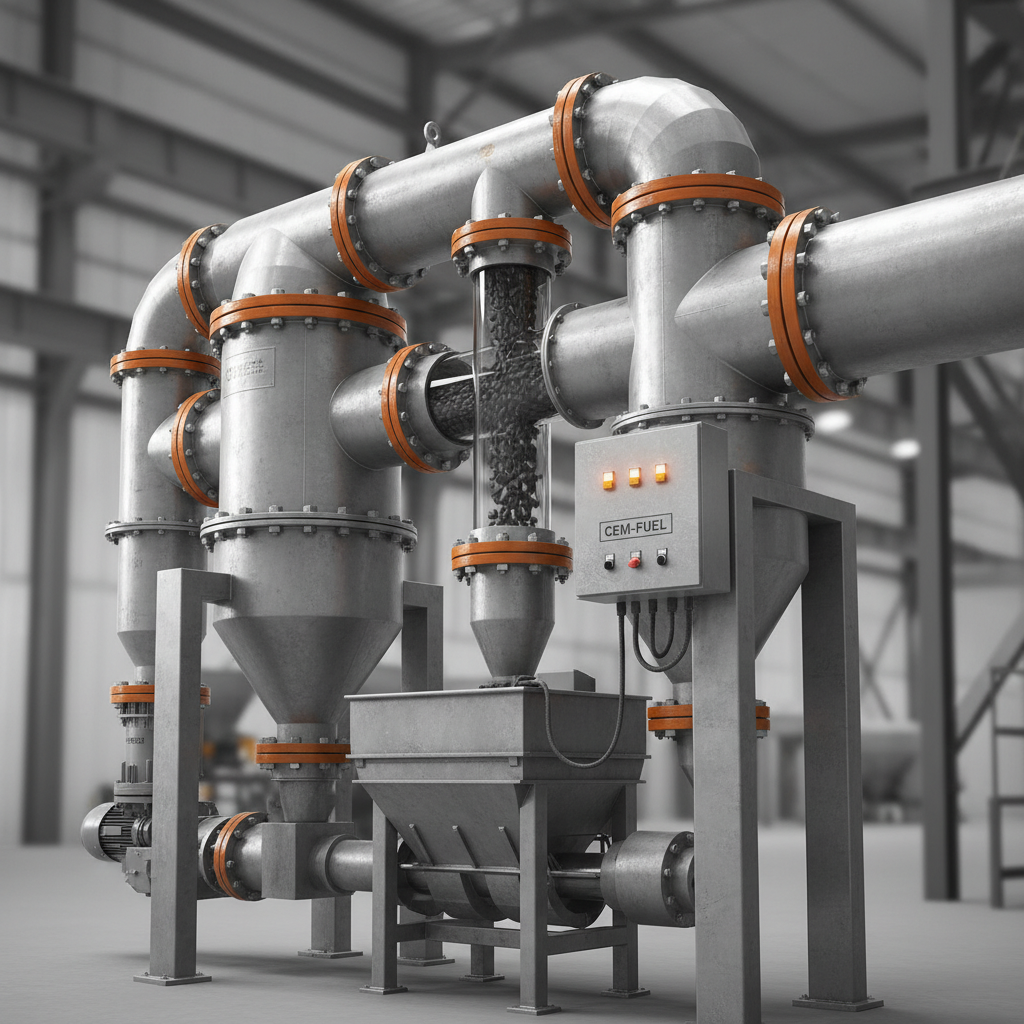
The primary advantage of using pet coke in cement production lies in its cost-effectiveness. Compared to traditional fuels like coal, pet coke often offers significant savings, particularly in regions where coal prices are high. Furthermore, pet coke boasts a higher calorific value than many other fossil fuels, meaning less fuel is needed to achieve the same level of heat output. This results in lower overall fuel consumption and reduced energy costs. The consistent composition of pet coke also allows for better control over the combustion process, improving efficiency. Moreover, NL Graphite provides high-quality pet coke suited for optimal combustion in cement kilns.
Key Benefits: Cost-effectiveness, higher calorific value, consistent composition, improved combustion control, and potential for reduced emissions (when managed properly).
Pet Coke vs. Other Fuels in Cement Manufacturing
Cement production is an energy-intensive process, and fuel selection significantly impacts both cost and environmental performance. While coal has historically been the dominant fuel, pet coke and alternative fuels are gaining traction. Pet coke often presents a more economical alternative, and advancements in combustion technologies are helping to mitigate some of the environmental concerns. Here's a comparison:
Addressing the Environmental Concerns of Pet Coke Use
While pet coke offers economic benefits, its use isn’t without environmental considerations. The primary concerns revolve around sulfur content and particulate matter emissions. Pet coke typically contains higher levels of sulfur than coal, which can contribute to acid rain and air pollution if not properly managed. Additionally, the handling and storage of pet coke can generate dust, posing health risks and environmental challenges. Implementing effective dust control measures, such as enclosed storage and handling systems, is crucial. Utilizing low-sulfur pet coke grades and investing in advanced emission control technologies, like flue gas desulfurization (FGD) systems, are also essential steps. NL Graphite focuses on providing pet coke options that minimize environmental impact.
Environmental Mitigation Strategies:
• Utilize low-sulfur pet coke grades.
• Implement dust control measures (enclosed storage, spray systems).
• Invest in flue gas desulfurization (FGD) systems.
• Regularly monitor and report emissions.
Operational Considerations for Pet Coke Handling
Successfully incorporating pet coke into cement production requires careful attention to operational details. Pet coke's unique physical properties – typically a fine, powdery material – can lead to handling challenges. Proper storage is paramount to prevent dust generation and maintain consistent quality. Silo design and material flow characteristics need to be carefully considered to avoid blockages and ensure reliable feeding into the kiln. Furthermore, the combustion process requires optimization to achieve complete and efficient burning, minimizing unburned carbon in the clinker. Regular maintenance of combustion equipment is also essential.
Future Trends and Sustainable Alternatives
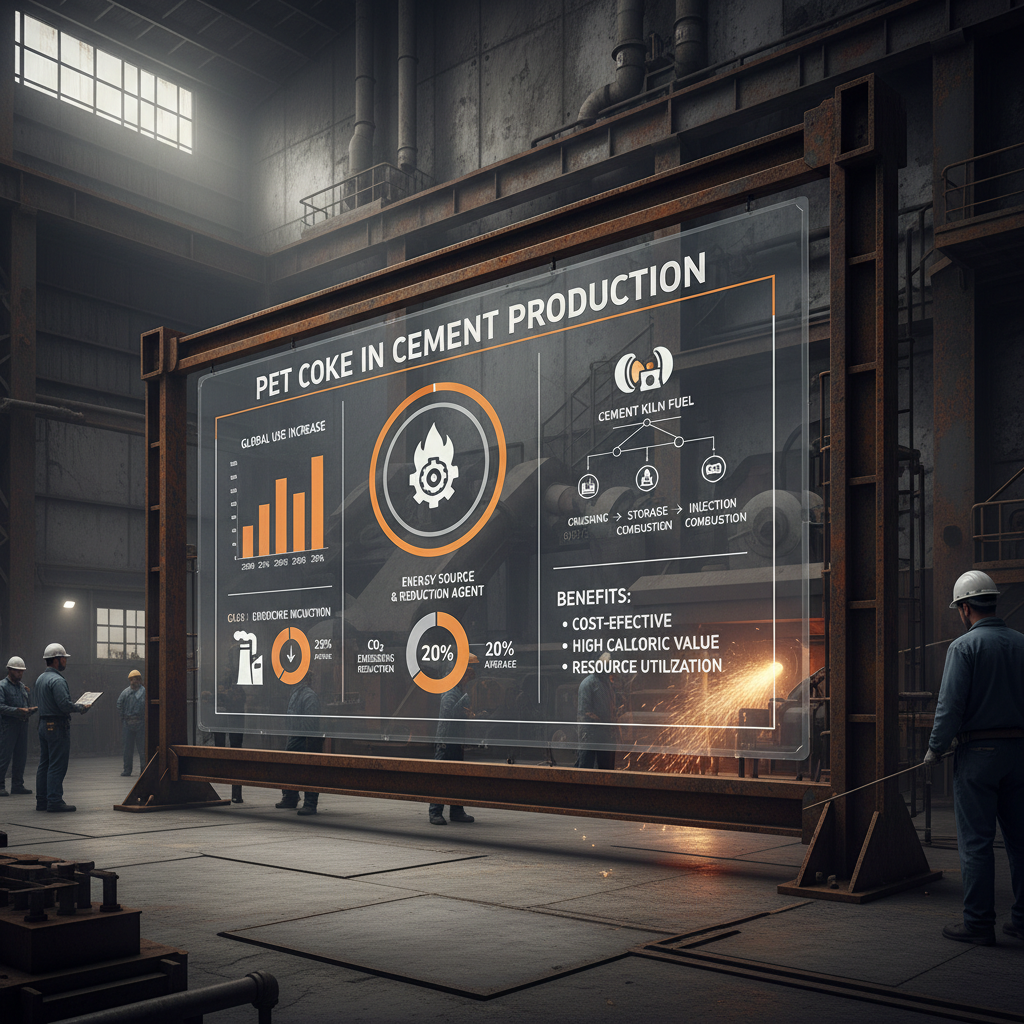
The cement industry is under increasing pressure to reduce its carbon footprint. While pet coke offers a transitional fuel option, the long-term trend is towards more sustainable alternatives. These include alternative fuels derived from waste materials (e.g., refuse-derived fuel – RDF, biomass) and the adoption of carbon capture and storage (CCS) technologies. Furthermore, research is ongoing to develop alternative clinker compositions that require less energy to produce. The future of cement manufacturing will likely involve a diversified fuel mix and a commitment to circular economy principles. NL Graphite is continuously exploring and supporting the development of sustainable solutions.
Conclusion: Optimizing Pet Coke Use for a Sustainable Future
Effective and responsible pet coke utilization can provide significant benefits to the cement industry, but requires a commitment to environmental stewardship and operational excellence. By embracing best practices in handling, combustion, and emission control, cement producers can maximize the economic advantages of pet coke while minimizing its environmental impact. The move towards a more sustainable future will necessitate continued innovation and the adoption of alternative fuels and technologies.
Frequently Asked Questions (FAQs)
What are the typical sulfur content levels in pet coke?
Sulfur content in pet coke can vary significantly depending on the source and refining process. It generally ranges from 1.0% to 4.0%, but can be higher in some cases. Delayed coker pet coke typically has a higher sulfur content than fluid coker pet coke. Choosing low-sulfur pet coke grades is crucial for minimizing sulfur dioxide (SO2) emissions. Regular sulfur analysis is essential to ensure compliance with environmental regulations. The specification should be tailored to your specific emission control capabilities.
What dust control measures are recommended for pet coke handling?
Effective dust control is essential when handling pet coke due to its fine particle size. Recommended measures include enclosed storage silos, covered conveyors, and the use of spray systems to suppress dust during transfer operations. Implementing a robust housekeeping program to promptly clean up any spills is also critical. Personal protective equipment (PPE), such as respirators, should be provided to workers handling pet coke. Regular monitoring of airborne dust levels can help ensure the effectiveness of control measures.
Can pet coke be used in combination with other fuels?
Yes, pet coke can be effectively co-fired with other fuels such as coal, biomass, or refuse-derived fuel (RDF). Co-firing can help to optimize the combustion process, reduce emissions, and diversify the fuel supply. The optimal blend ratio depends on the specific characteristics of the fuels and the design of the kiln. Careful monitoring and control are essential to ensure stable combustion and compliance with environmental regulations.
What is the role of NL Graphite in supplying pet coke for the cement industry?
NL Graphite is a trusted supplier of high-quality pet coke to the cement industry, committed to providing reliable and cost-effective fuel solutions. We offer a range of pet coke grades with varying sulfur content and physical properties to meet the specific needs of our customers. We prioritize sustainable sourcing and responsible handling practices, and we work closely with our clients to ensure optimal combustion efficiency and environmental performance.
 Pervious
 Next
Next