

- Englist



Comprehensive Guide to Calcined Petroleum Coke Usage and Industrial Applications

Calcined Petroleum Coke Usage: A Comprehensive Guide
Calcined petroleum coke (CPC) is a crucial carbon material derived from the delayed coking process of petroleum refining. Its unique properties make it indispensable across several industries. Understanding calcined petroleum coke usage is vital for optimizing processes and ensuring product quality. This article will explore its applications, benefits, and considerations for effective implementation. The demand for high-quality CPC continues to grow, driven by its versatility and performance advantages.
Understanding Calcined Petroleum Coke
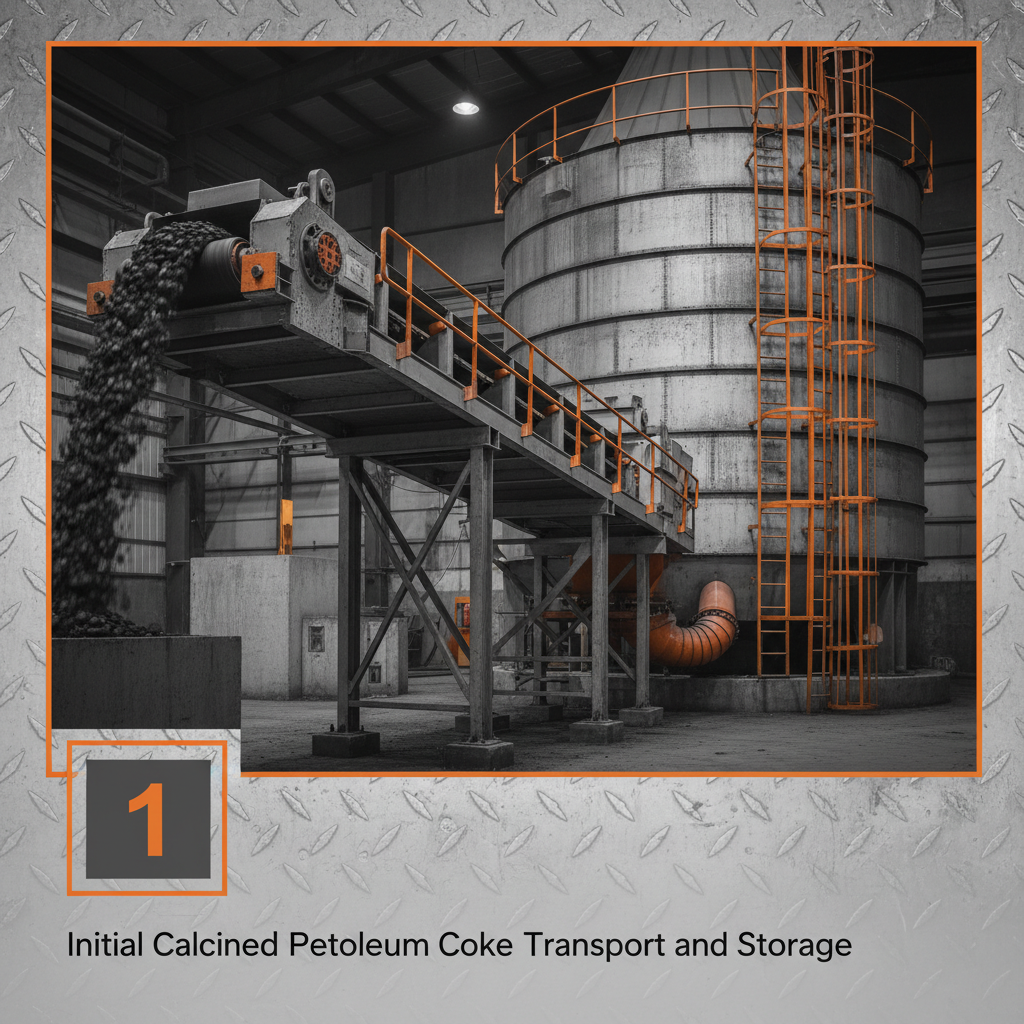
Calcined petroleum coke is produced by heating raw petroleum coke (green coke) to high temperatures (typically 1000-1400°C) in a controlled atmosphere. This process removes volatile compounds, reduces sulfur content, and increases the carbon content, resulting in a material with enhanced electrical conductivity and thermal stability. The resulting CPC is typically available in various grades, categorized by its sulfur content, particle size, and other characteristics. Choosing the right grade for a specific application is crucial for optimal performance. NL Graphite specializes in providing tailored CPC solutions to meet diverse industrial needs.
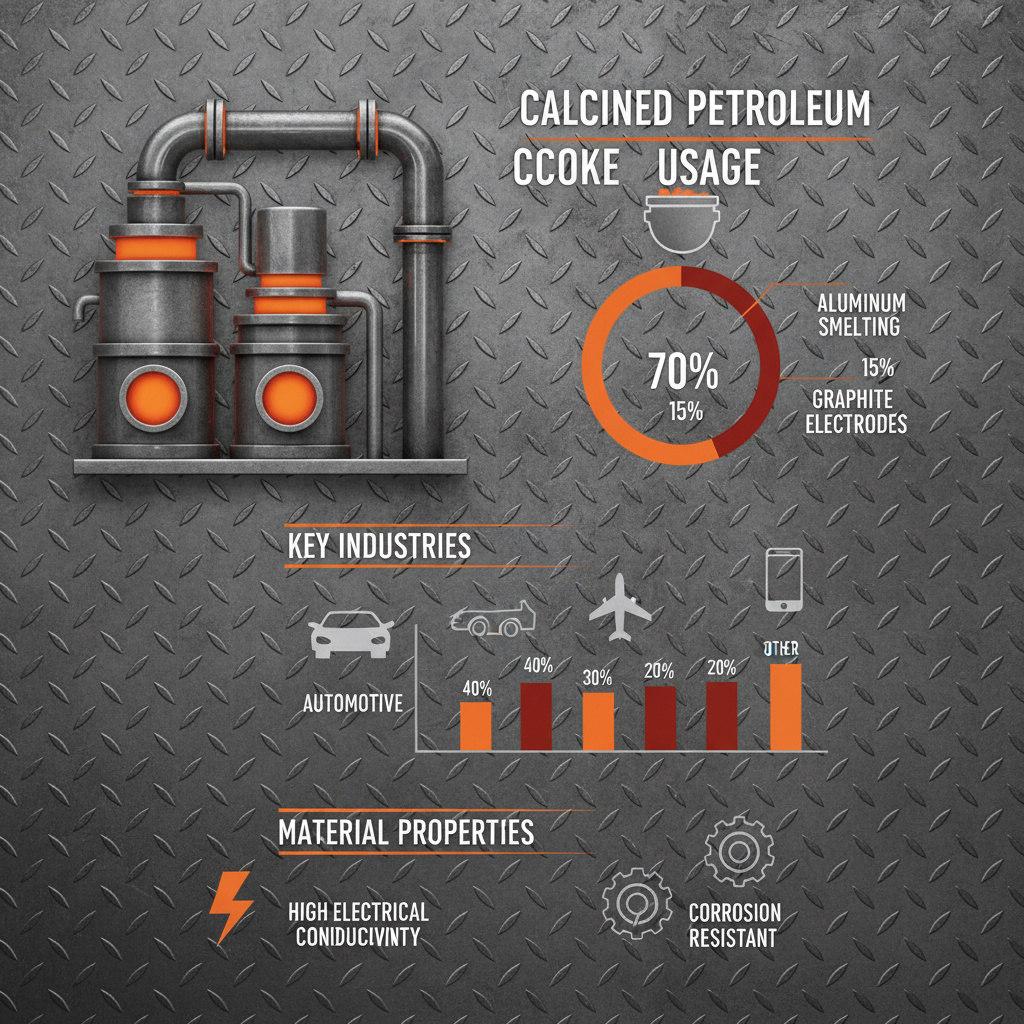
Key Properties: High carbon content, low sulfur content, excellent electrical conductivity, high thermal stability, and controlled particle size.
Key Applications of Calcined Petroleum Coke
CPC’s diverse properties lend itself to a wide range of applications. The aluminum industry is a primary consumer, utilizing it in the production of anodes for aluminum smelting. Other significant uses include steelmaking, titanium dioxide pigment production, and the manufacturing of graphite electrodes. The increasing demand for electric vehicles is also driving growth in the use of CPC for lithium-ion battery anodes. Properly specifying the right grade of CPC is critical to ensure optimal efficiency and cost-effectiveness in each of these applications.
Core Applications:
• Aluminum Smelting (Anodes)
• Steelmaking (Recarburizer)
• Titanium Dioxide Production
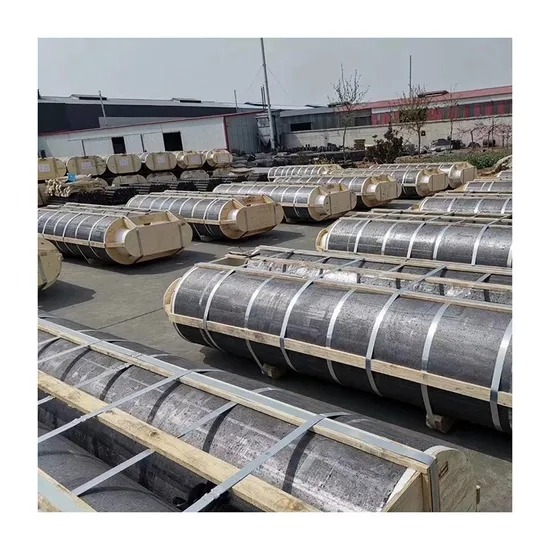
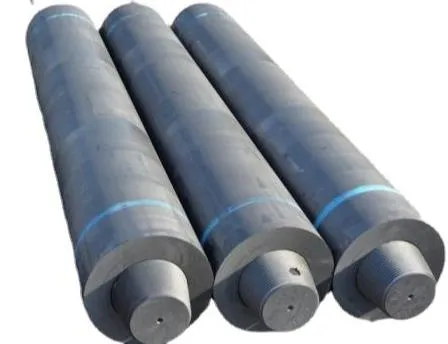
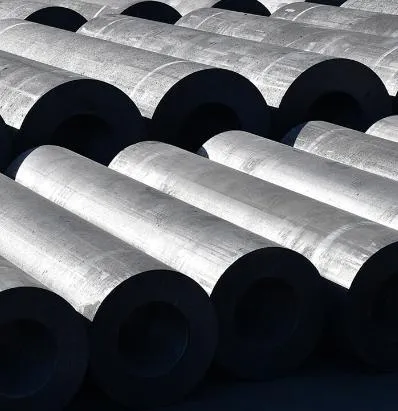
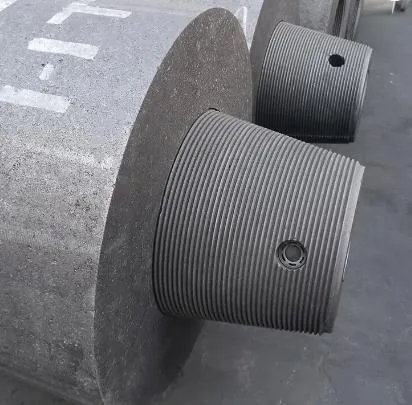
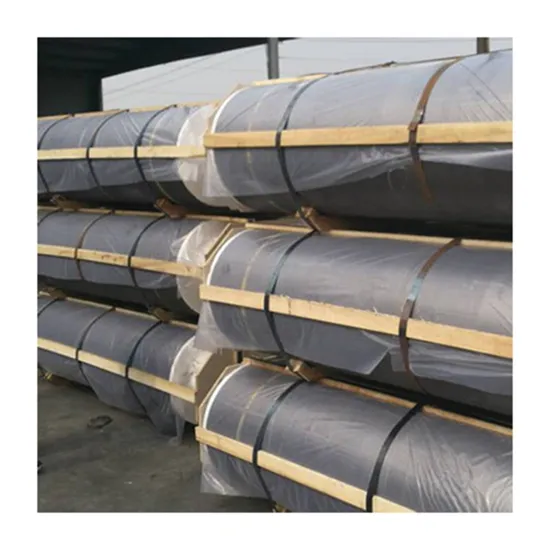
• Graphite Electrode Manufacturing
• Lithium-ion Battery Anodes
Calcined Petroleum Coke in Aluminum Smelting
The aluminum industry accounts for a large percentage of global CPC consumption. It is used to manufacture the anodes, which are essential components in the electrolytic process of aluminum production. The anode serves as the electrode where oxidation occurs, providing the necessary carbon for the reaction. The quality of the CPC directly impacts the efficiency of the smelting process, the purity of the aluminum produced, and the overall cost of production. NL Graphite provides CPC specifically engineered for optimal anode performance.
CPC and the Future of Battery Technology
The rising demand for lithium-ion batteries, fueled by the growth of electric vehicles (EVs) and energy storage systems, is creating new opportunities for CPC. CPC is increasingly used as a precursor material for synthetic graphite, a key component in battery anodes. Its high carbon content and purity contribute to improved battery performance, including higher energy density and longer cycle life. As battery technology continues to advance, the demand for high-quality CPC tailored to battery applications is expected to surge. NL Graphite is actively involved in developing CPC solutions specifically for the battery market.
Considerations When Sourcing Calcined Petroleum Coke
When sourcing CPC, several factors are critical. Sulfur content is a key consideration, as higher levels can negatively impact performance in many applications. Particle size distribution is also important, as it affects reactivity and processing characteristics. Consistency in quality and reliable supply chain logistics are essential for maintaining operational efficiency. Choosing a reputable supplier with stringent quality control measures, such as NL Graphite, is paramount to ensuring optimal results.
Conclusion: Optimizing Performance with Quality CPC
Choosing the right calcined petroleum coke is essential for maximizing efficiency and quality across a range of industries. By understanding its applications, properties, and sourcing considerations, businesses can unlock its full potential. Partnering with a trusted supplier like NL Graphite ensures access to consistent, high-quality CPC tailored to specific needs.
Frequently Asked Questions (FAQs)
What factors affect the price of calcined petroleum coke?
The price of CPC is influenced by several factors, including crude oil prices, supply and demand dynamics, sulfur content, particle size, and transportation costs. Global economic conditions and geopolitical events can also play a role. Higher sulfur content generally results in lower prices, while premium grades with low sulfur and specific particle size distributions command a premium. Demand from key industries, such as aluminum and battery manufacturing, significantly impacts price trends. Long-term contracts with reliable suppliers can help mitigate price volatility.
How is calcined petroleum coke transported?
CPC is typically transported in bulk via ships, railcars, and trucks. Due to its dusty nature, it requires careful handling and containment to prevent environmental contamination. Bulk ships are the most common method for long-distance transportation, while railcars and trucks are used for shorter distances and inland delivery. Specialized containers and covered railcars are employed to minimize dust emissions during transport. Proper packaging and labeling are crucial for ensuring safe and compliant handling.
What are the environmental considerations associated with CPC usage?
While CPC itself is a stable carbon material, its production and usage can have environmental impacts. Air emissions during the calcining process, including sulfur dioxide and particulate matter, need to be carefully controlled. Proper waste management and dust suppression measures are essential to minimize environmental contamination. The use of CPC in aluminum smelting generates spent pot lining (SPL), which requires responsible disposal or recycling. Sustainable sourcing and responsible manufacturing practices are crucial for mitigating the environmental footprint of CPC.
What is the difference between calcined and uncalcined (green) petroleum coke?
Uncalcined (green) petroleum coke is the raw product directly from the coking process, containing volatile compounds, higher sulfur levels, and lower carbon content. It is not suitable for most industrial applications without further processing. Calcined petroleum coke undergoes a high-temperature heating process that removes these volatiles, reduces sulfur content, and increases carbon content, resulting in a material with significantly improved properties for use in aluminum smelting, steelmaking, and other demanding applications. The calcining process essentially 'upgrades' the green coke into a more valuable and versatile product.
 Pervious
 Next
Next