

- Englist



Comprehensive Guide to Graphite Electrode Use in Modern Steelmaking

Graphite Electrode Use: A Comprehensive Guide
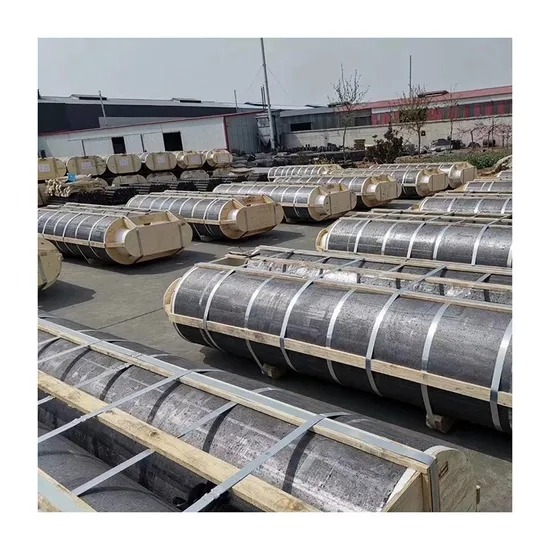
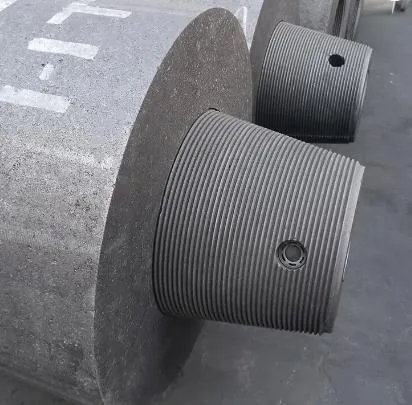
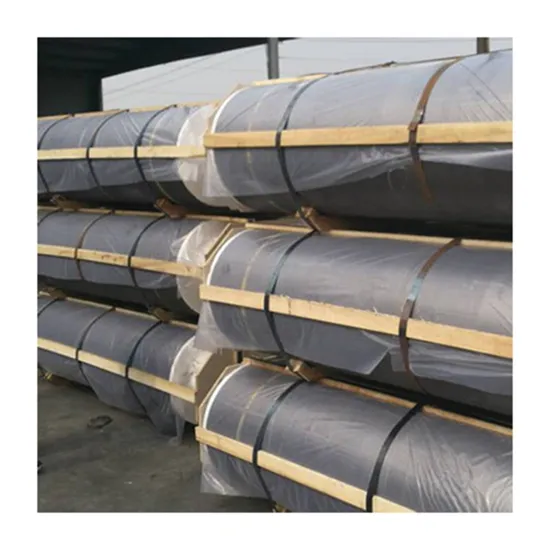
Graphite electrodes are indispensable components in various industrial processes, most notably in electric arc furnaces (EAFs) used for steelmaking. Their ability to withstand extreme temperatures and conduct electricity efficiently makes them essential. This article provides a detailed overview of graphite electrode use, exploring their applications, types, factors affecting performance, and future trends. Understanding these aspects is crucial for optimizing metallurgical processes and ensuring cost-effective production. Effective electrode management directly impacts the quality of steel and the overall efficiency of the EAF.
Understanding Graphite Electrode Applications
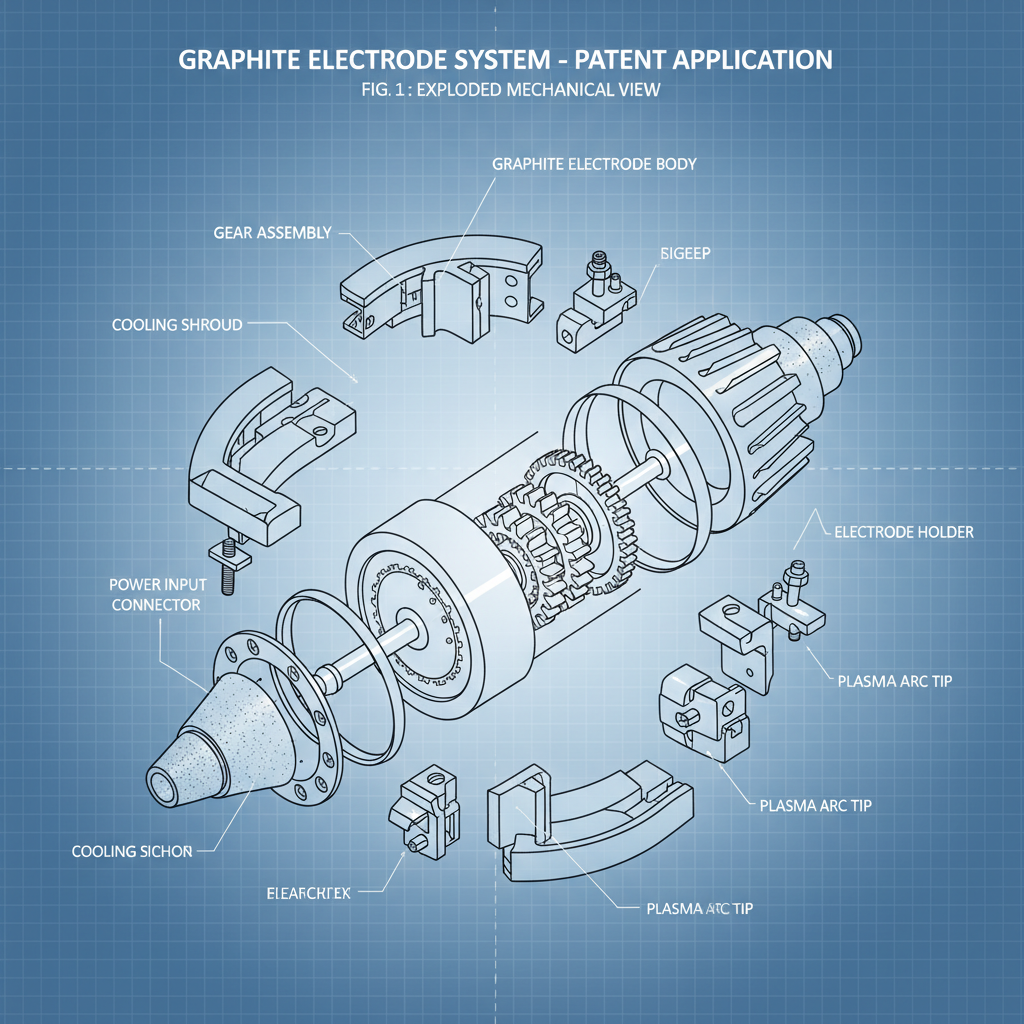
The primary application of graphite electrodes lies in the production of steel through the EAF process. However, their versatility extends to other areas. They are also used in: Ladle Refining Furnaces (LRFs) for fine-tuning steel composition, Vacuum Degassing (VD) for removing impurities, and Ferroalloy production. The consistent electrical conductivity and thermal stability of graphite ensure efficient melting and refining operations. Beyond metallurgy, graphite electrodes find applications in the chemical industry for creating high-temperature reactions and in the production of silicon carbide. The demand for high-quality graphite electrodes is directly linked to global steel production and the growth of these supporting industries.
Key Applications: Steelmaking (EAF, LRF, VD), Ferroalloy production, Chemical processing, Silicon carbide production.
Types of Graphite Electrodes
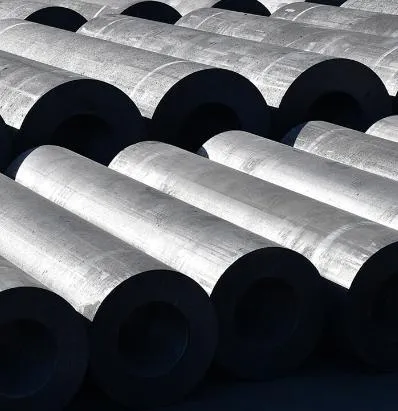
Graphite electrodes are broadly categorized into three main types based on their quality and intended use: Regular Power (RP), High Power (HP), and Ultra High Power (UHP). Each type differs in its impurity levels, density, and mechanical strength. RP electrodes are commonly used in less demanding applications, while HP electrodes are preferred for standard EAF steelmaking. UHP electrodes, characterized by their high purity and exceptional conductivity, are employed in high-production EAFs and processes requiring maximum efficiency. Choosing the appropriate electrode type is critical for optimizing furnace performance and minimizing electrode consumption.
Electrode Type Comparison:
• Regular Power (RP): Lower density, higher impurity content, suitable for less demanding applications.
• High Power (HP): Moderate density and impurity levels, widely used in standard EAFs.
• Ultra High Power (UHP): Highest density, lowest impurity content, optimal for high-production EAFs.
Factors Affecting Graphite Electrode Performance
Several factors influence the performance and lifespan of graphite electrodes. These include the furnace operating conditions (voltage, current, and power-on time), the steelmaking process (slag chemistry and oxygen blowing), and the electrode's physical properties. Excessive electrode consumption can be attributed to high currents, improper electrode centering, and unfavorable slag conditions. Maintaining stable operating parameters and optimizing slag chemistry are crucial for minimizing electrode wear and maximizing productivity. Regular inspection and preventative maintenance, including column connection monitoring, are also essential for ensuring reliable operation.
Graphite Electrode Specifications and Selection
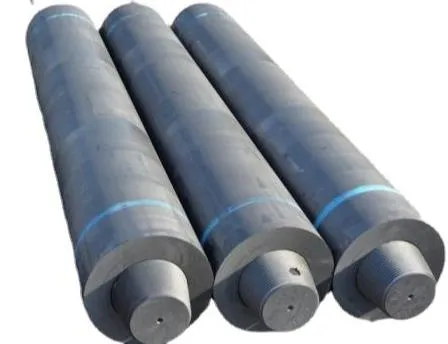
Selecting the correct graphite electrode specifications is vital for efficient steel production. Key parameters include diameter, length, and nipple type. Diameter is chosen based on the furnace size and current requirements. Length depends on the furnace height and electrode changer design. Nipple type (threaded or quick-change) influences the speed of electrode replacement. NL Graphite offers a comprehensive range of graphite electrodes tailored to specific customer needs. Careful consideration of these specifications ensures optimal performance and minimizes downtime.
Future Trends in Graphite Electrode Technology
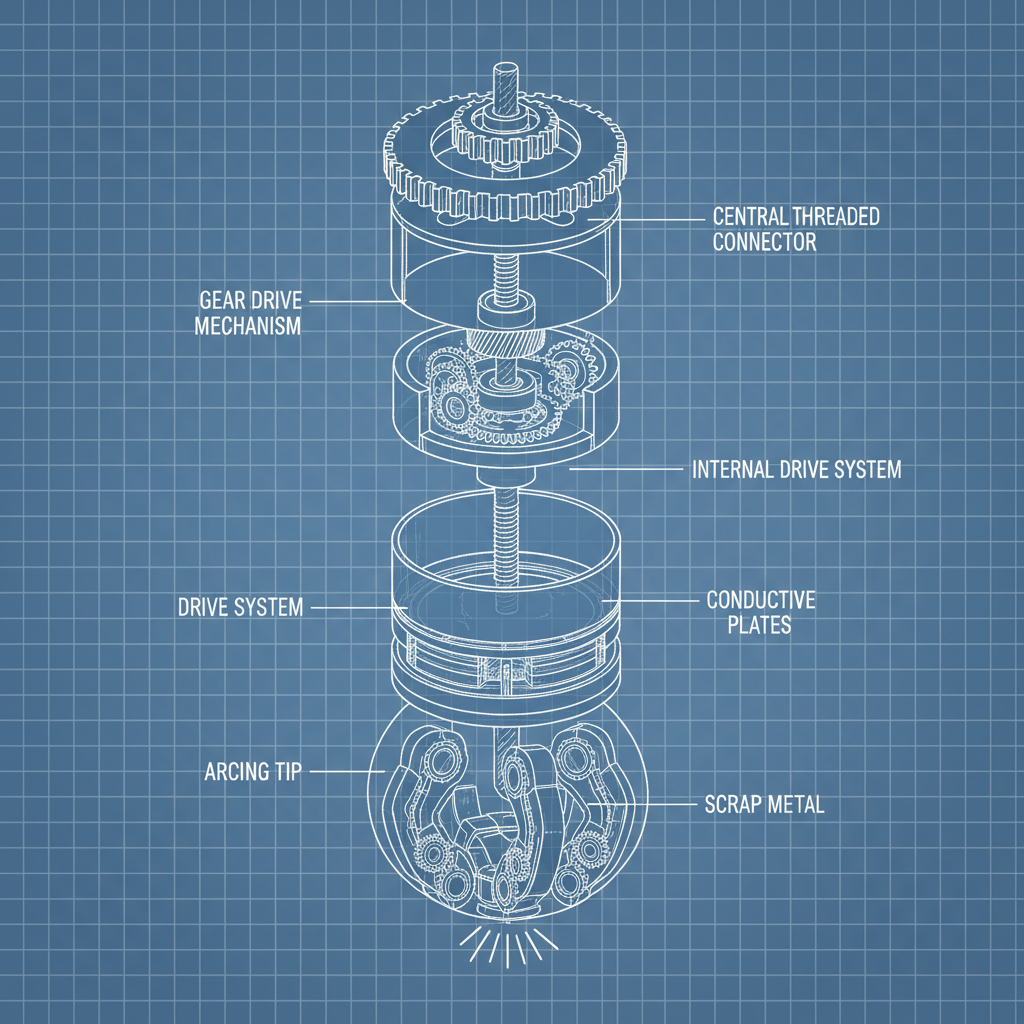
The graphite electrode industry is continuously evolving to meet the demands of a changing steelmaking landscape. Current trends include the development of ultra-high-power electrodes with enhanced conductivity and reduced consumption, the implementation of advanced electrode monitoring systems for predictive maintenance, and the exploration of alternative materials like silicon carbide electrodes. Furthermore, there’s growing focus on sustainability and reducing the environmental impact of electrode production and use. These advancements aim to improve efficiency, lower costs, and minimize the carbon footprint of the steel industry.
Conclusion: Optimizing Steel Production with Quality Graphite Electrodes
Choosing the right graphite electrodes is paramount for efficient and cost-effective steel production. By understanding the various types, factors influencing performance, and emerging trends, steelmakers can optimize their processes and maximize productivity. NL Graphite is dedicated to providing high-quality graphite electrodes and expert support to meet the evolving needs of the metallurgical industry. Investing in superior electrodes translates to improved steel quality, reduced operating costs, and a more sustainable future.
Frequently Asked Questions (FAQs)
What is the typical lifespan of a graphite electrode?
The lifespan of a graphite electrode varies considerably based on several factors, including the current load, furnace operating conditions, and the quality of the electrode itself. Generally, UHP electrodes can last between 80 to 120 hours, HP electrodes around 60-100 hours, and RP electrodes around 40-60 hours. However, these figures are estimates, and actual lifespan can fluctuate. Consistent monitoring of electrode consumption rates and proactive maintenance are key to maximizing lifespan and predicting replacement needs.
How does slag composition affect graphite electrode consumption?
Slag composition plays a critical role in graphite electrode consumption. An acidic slag, with a low basicity (CaO/SiO2 ratio), tends to be more oxidizing, accelerating electrode oxidation and increasing consumption. Conversely, a basic slag, with a higher basicity, provides a more protective environment. Maintaining optimal slag basicity, typically between 1.0 and 1.2, is crucial for minimizing electrode wear. The presence of certain elements in the slag, such as iron and manganese, can also influence oxidation rates.
What are the key benefits of using UHP graphite electrodes?
Ultra-High Power (UHP) graphite electrodes offer several significant benefits. Their high density and low impurity content result in superior electrical conductivity, lower electrode consumption, and reduced spatter. This translates to increased furnace productivity, lower operating costs, and improved steel quality. UHP electrodes are particularly advantageous in high-production EAFs where efficiency and reliability are paramount. They also contribute to a more stable arc and reduced power fluctuations.
How can I minimize graphite dust during electrode handling?
Graphite dust is a health hazard and should be minimized during handling. Implementing dust control measures is essential. This includes using enclosed electrode handling systems, employing local exhaust ventilation (LEV) during column connection changes, and providing workers with appropriate respiratory protection (dust masks or respirators). Regular cleaning of work areas to remove accumulated dust is also crucial. Proper training of personnel on safe handling practices is vital to minimizing exposure and maintaining a healthy working environment.
 Pervious
 Next
Next