

- Englist



Comprehensive Guide to Graphite Electrode Used for Steelmaking and Beyond

Graphite Electrode Used For: A Comprehensive Guide
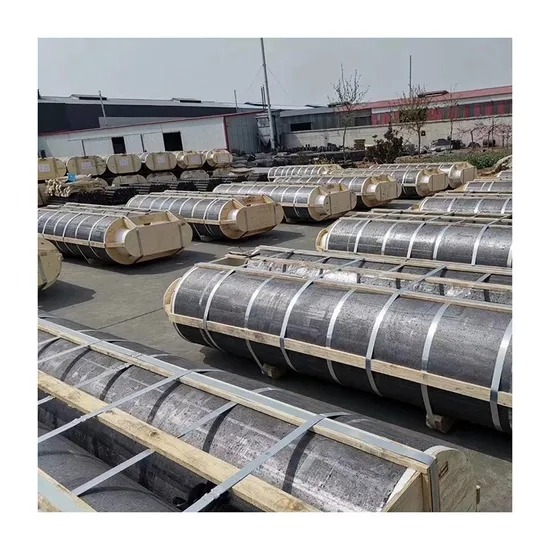
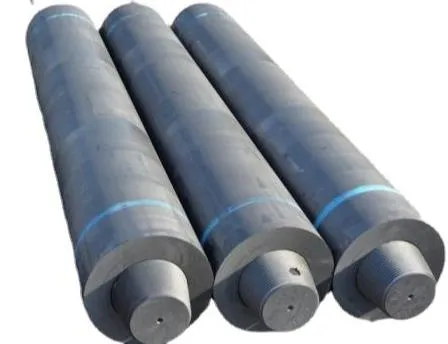
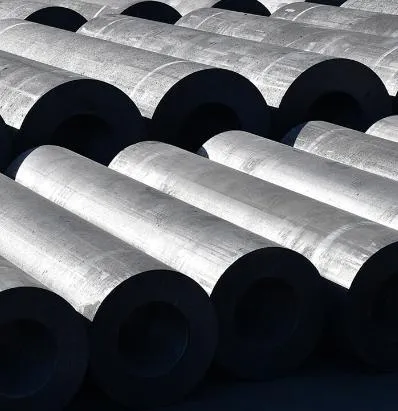
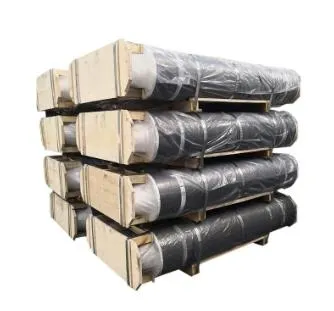
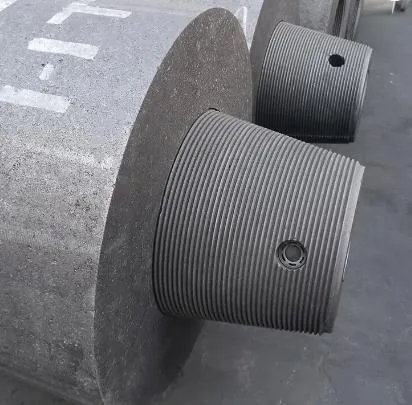
Graphite electrodes are essential components in various industrial processes, most notably in electric arc furnaces (EAFs) for steelmaking. Their unique properties—high electrical conductivity, thermal stability, and resistance to chemical attack—make them indispensable. This article will delve into the applications, types, selection criteria, and future trends of graphite electrodes, providing a comprehensive overview for professionals in metallurgy, manufacturing, and related fields. Understanding these factors is crucial for optimizing performance and cost-efficiency in your operations.
Core Applications of Graphite Electrodes
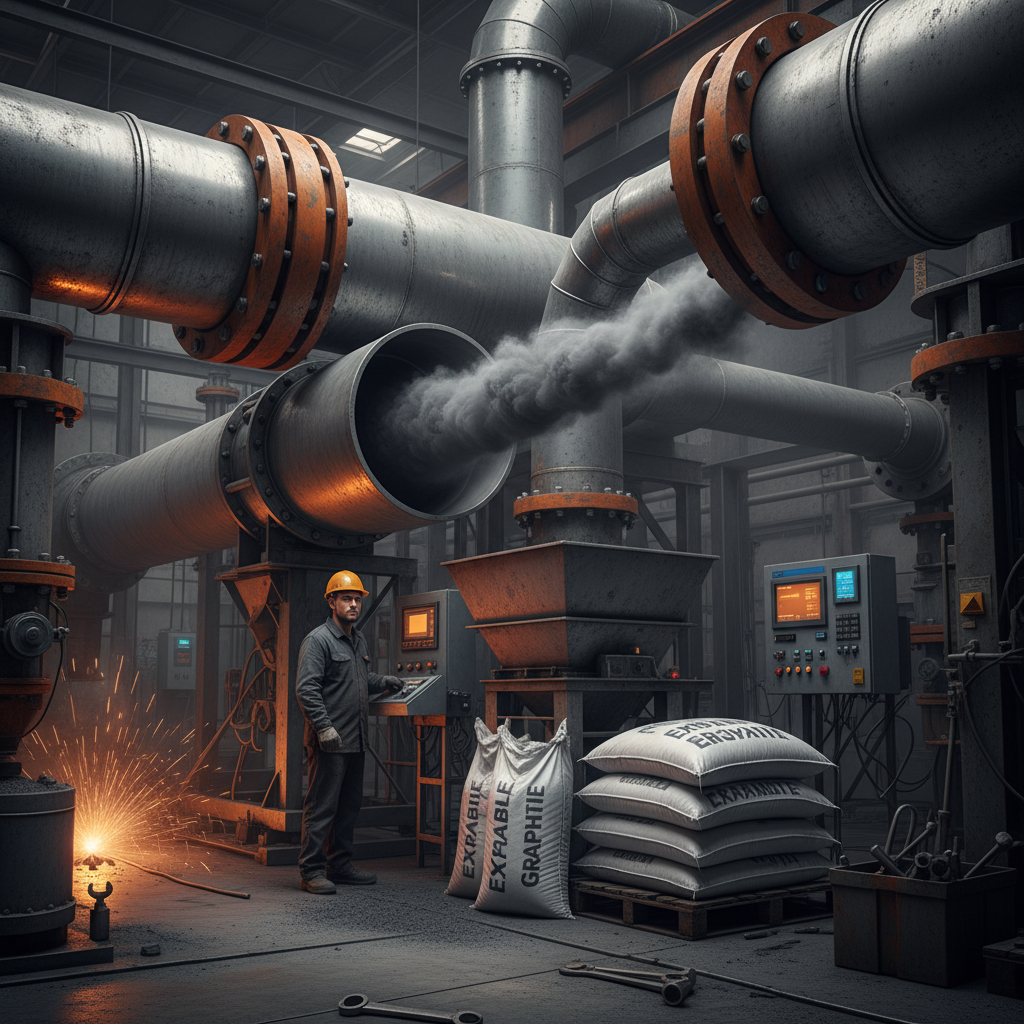
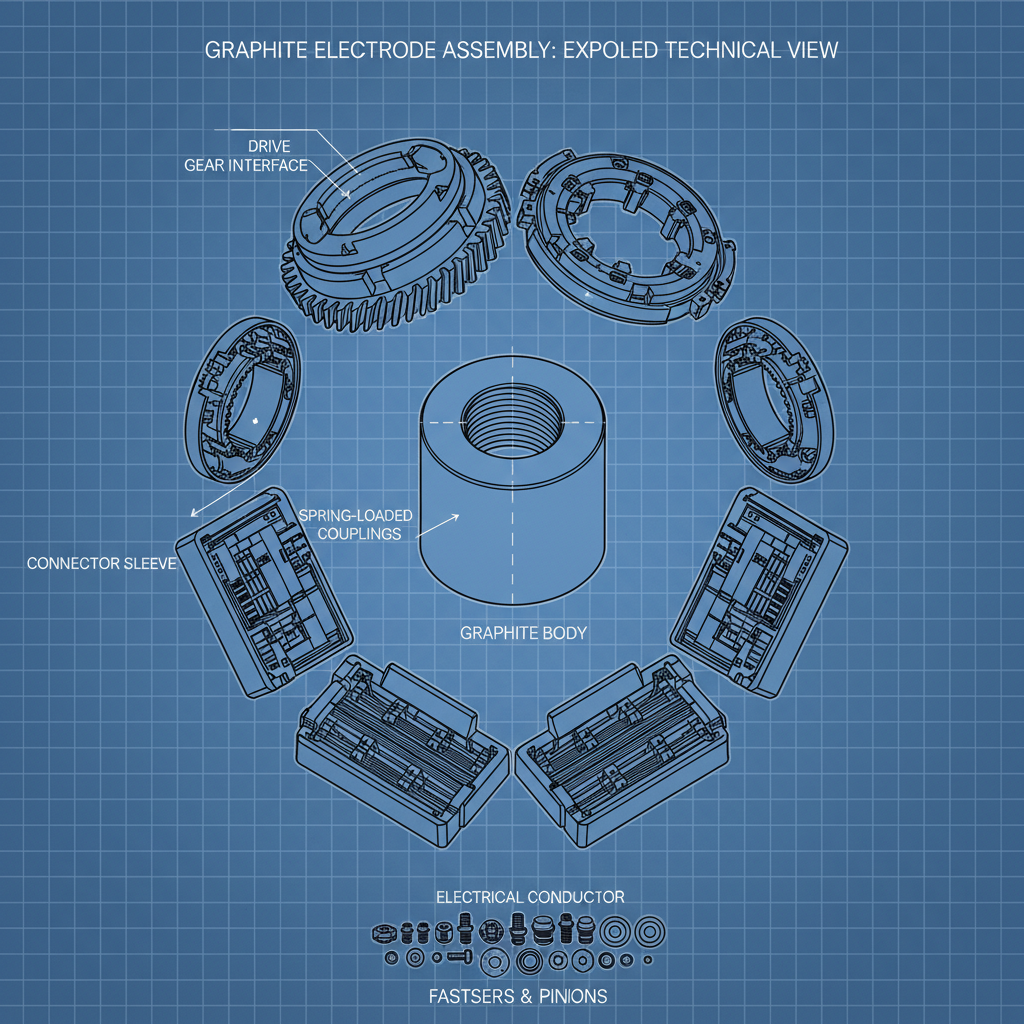
The primary use of graphite electrodes is in electric arc furnaces, where they conduct electricity to melt scrap steel or direct reduced iron. Beyond steelmaking, they find application in the production of ferroalloys like silicon, manganese, and chromium. Furthermore, graphite electrodes are used in the manufacturing of phosphorus and carbo-thermic reduction processes. The demand for high-quality steel and specialty alloys continues to drive the need for reliable and efficient graphite electrodes. They serve as a critical link between electrical energy and the chemical transformations required for material production. Choosing the right electrode is vital for minimizing energy consumption and maximizing yield.
Key Applications: Steelmaking (EAFs), Ferroalloy Production, Phosphorus Manufacturing, Carbo-thermic Reduction.
Types of Graphite Electrodes: RP, HP & UHP
Graphite electrodes are categorized into three main types based on their manufacturing process and performance characteristics: Regular Power (RP), High Power (HP), and Ultra-High Power (UHP). RP electrodes are the most economical, suitable for lower-intensity applications. HP electrodes offer improved thermal shock resistance and conductivity, ideal for more demanding processes. UHP electrodes represent the highest quality, featuring exceptional strength, conductivity, and low consumption rates—making them the preferred choice for modern, high-productivity EAFs. The selection depends on the specific furnace operating conditions, desired productivity levels, and budgetary constraints. NL Graphite provides a comprehensive range of these electrode types to meet diverse industrial needs.
Electrode Type Comparison:
• RP (Regular Power): Cost-effective, lower intensity applications.
• HP (High Power): Improved thermal shock resistance, mid-range applications.
• UHP (Ultra-High Power): Highest quality, for high-productivity EAFs.
Key Factors Influencing Graphite Electrode Selection
Choosing the right graphite electrode involves considering several critical parameters. Electrical resistivity impacts energy efficiency, with lower resistivity generally preferred. Bulk density correlates with electrode strength and resistance to breakage. Ash content affects electrode consumption rate; lower ash content is desirable. Furthermore, mechanical strength, thermal shock resistance, and the electrode’s diameter and length must align with the specific furnace design and operating conditions. Careful evaluation of these factors optimizes electrode performance and minimizes operational costs. Partnering with a reputable supplier like NL Graphite ensures access to electrodes that meet stringent quality standards.
Future Trends in Graphite Electrode Technology
The graphite electrode industry is continually evolving. Research and development efforts are focused on enhancing electrode performance through improved material compositions, optimized manufacturing processes, and the incorporation of advanced coatings. The demand for more sustainable and energy-efficient solutions is driving innovation in electrode design. This includes exploring new carbon sources and developing electrodes with extended lifespans and reduced environmental impact. Furthermore, digital monitoring and analytics are being integrated to optimize electrode usage and predict potential failures, enhancing overall operational efficiency.
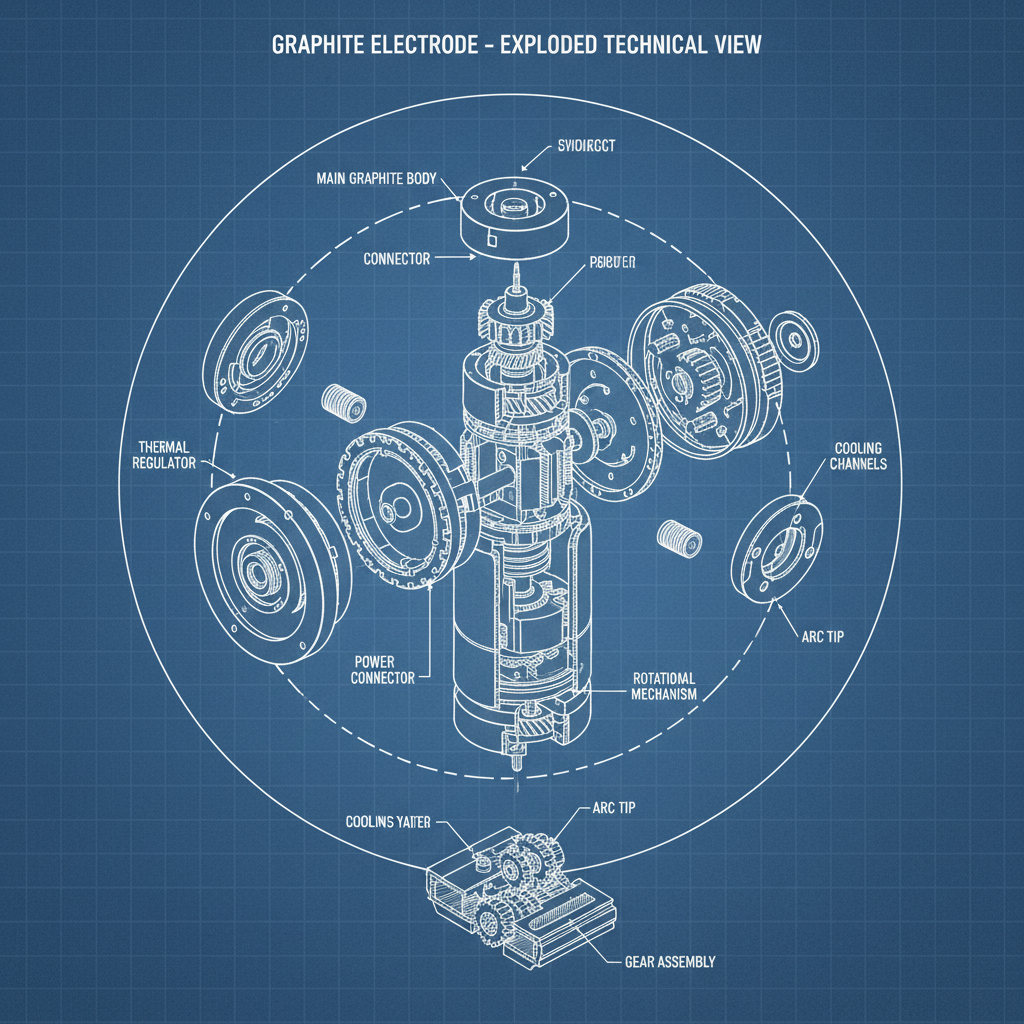
NL Graphite: Your Trusted Graphite Electrode Supplier
At NL Graphite, we are committed to providing high-quality graphite electrodes and exceptional customer service. Our extensive product range, coupled with our technical expertise, allows us to meet the diverse needs of industries worldwide. We offer tailored solutions, competitive pricing, and reliable delivery. Contact us today to discuss your specific requirements and experience the NL Graphite difference.
Conclusion: Partnering for Success with High-Quality Graphite Electrodes
Investing in high-quality graphite electrodes from a reliable supplier like NL Graphite is crucial for optimizing performance, reducing costs, and ensuring the long-term success of your operations. Our commitment to quality, innovation, and customer satisfaction makes us the ideal partner for your industrial needs. Don’t compromise on the foundation of your processes – choose NL Graphite.
Frequently Asked Questions (FAQs)
What is the typical lifespan of a graphite electrode?
The lifespan of a graphite electrode varies significantly based on several factors, including the furnace operating conditions (current density, voltage, and atmosphere), the electrode quality (grade and manufacturing process), and the type of steel being produced. Generally, a UHP electrode can last between 80 to 120 hours in a modern EAF, while RP and HP electrodes will have shorter lifespans. Regular monitoring of electrode consumption and careful optimization of furnace parameters are essential for maximizing electrode life. Proper joining techniques and minimizing electrode breakage also contribute to extended lifespan.
How do I identify signs of a failing graphite electrode?
Several indicators can signal a failing graphite electrode. These include a rapid increase in electrode consumption rate, noticeable breakage of the electrode column, increased voltage fluctuations, and the presence of excessive dust and carbon particles in the furnace atmosphere. Visual inspection for cracks, chipping, or uneven wear is also crucial. Regular monitoring of these parameters allows for proactive replacement of electrodes, preventing costly downtime and ensuring safe operation.
What safety precautions should be taken when handling graphite electrodes?
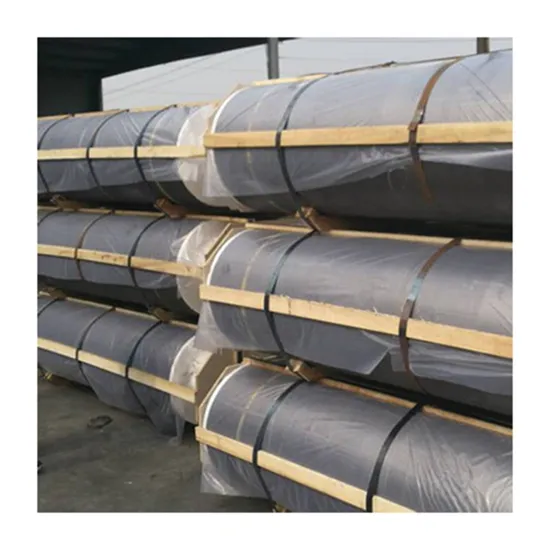
Graphite electrodes are heavy and require careful handling. Always use appropriate lifting equipment and follow proper rigging procedures. Wear personal protective equipment (PPE), including gloves, safety glasses, and dust masks, to prevent skin irritation and inhalation of carbon dust. Avoid dropping or damaging electrodes, as this can create unstable fragments. Ensure the electrode storage area is well-ventilated and protected from moisture. Strict adherence to safety protocols is paramount to prevent accidents and ensure a safe working environment.
What is the role of electrode joining compounds?
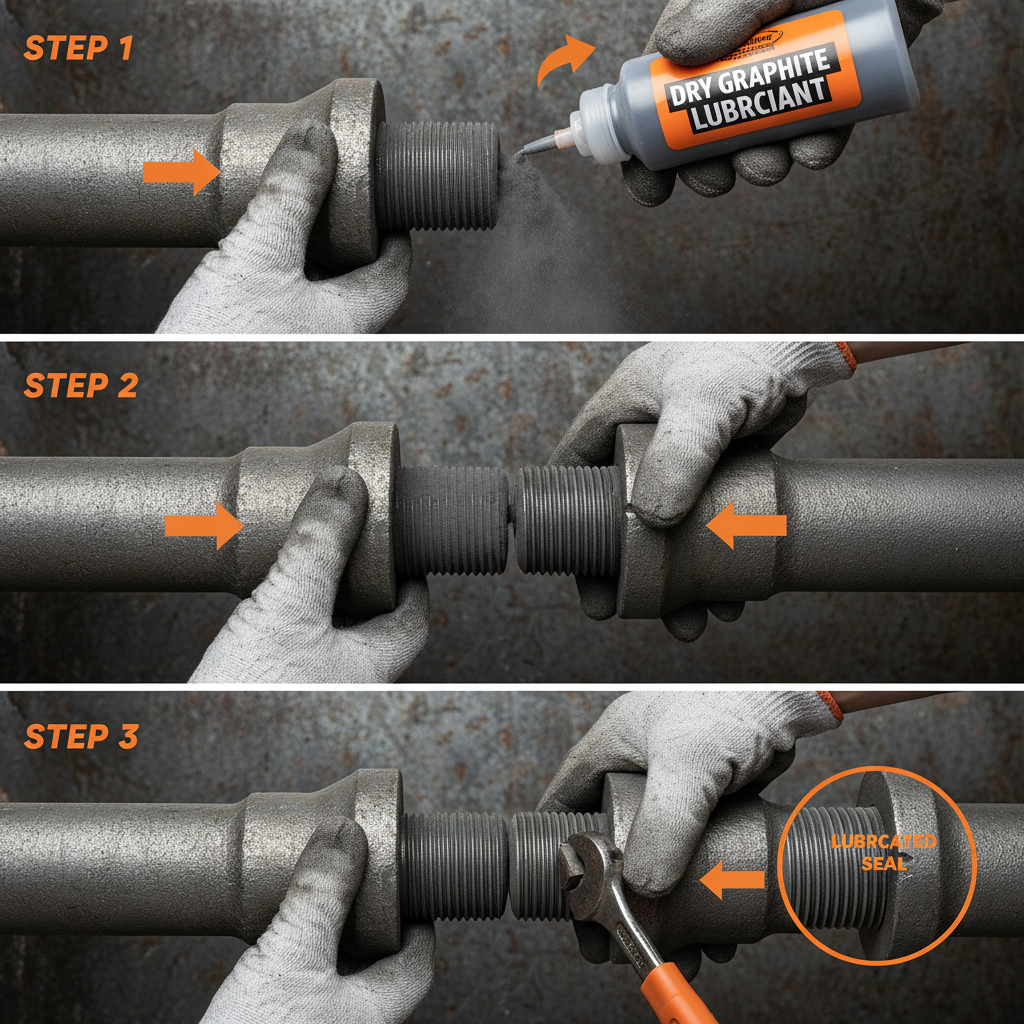
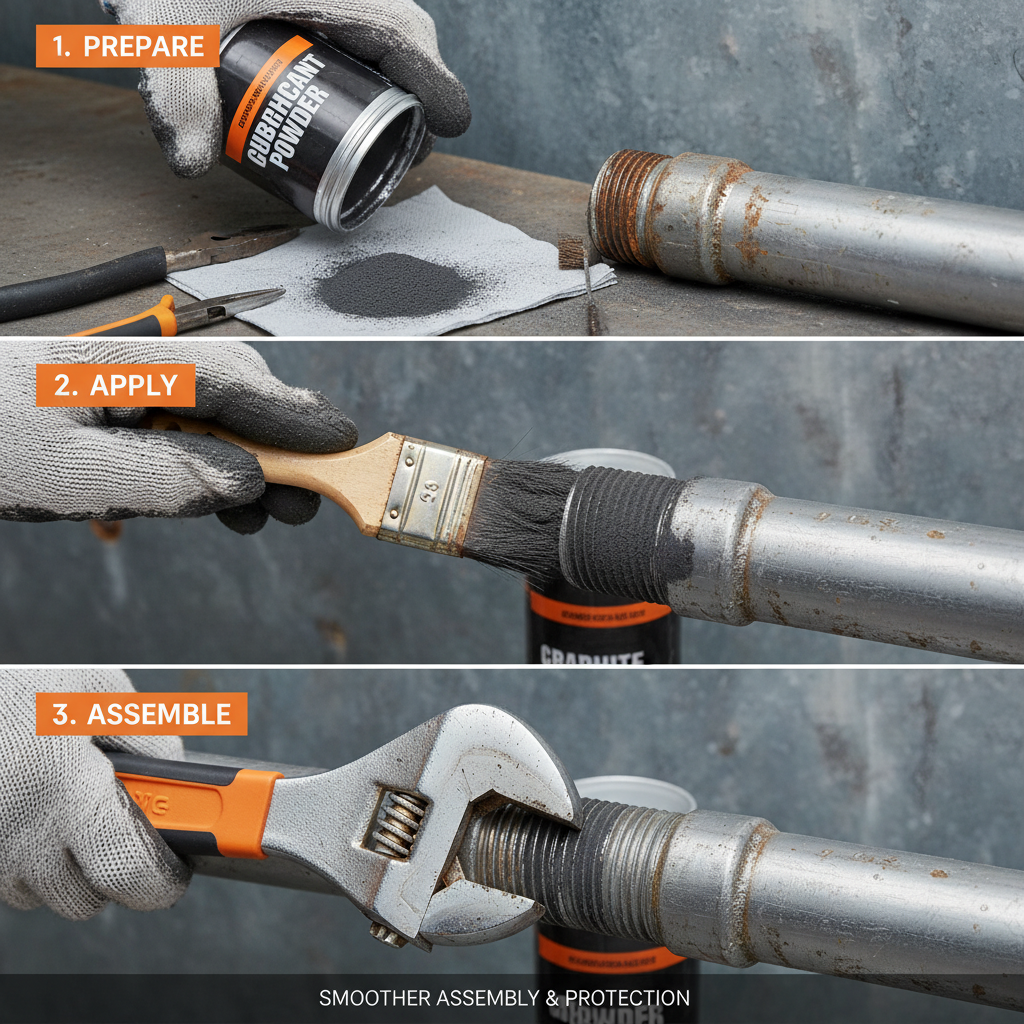
Electrode joining compounds are crucial for creating secure and electrically conductive joints between electrode sections. These compounds, typically a paste-like mixture of carbon materials and binders, fill gaps between electrode ends, ensuring a low-resistance connection. Proper application of joining compounds prevents electrical arcing, reduces electrode consumption, and minimizes the risk of column breakage. Choosing a joining compound that is compatible with the electrode material and furnace conditions is essential for optimal performance and longevity.
 Pervious
 Next
Next