

- Englist



Optimizing Industrial Processes with Graphite Used as Electrode Materials

Graphite Used as Electrode: A Comprehensive Guide
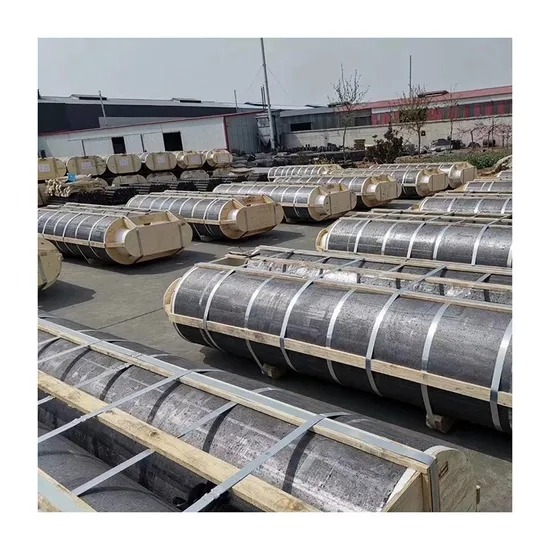
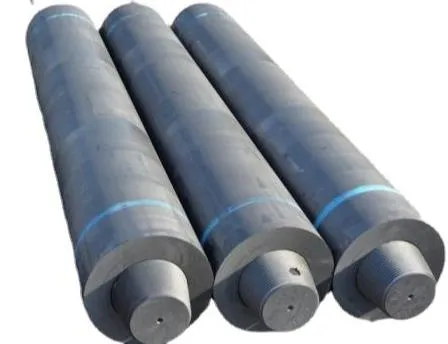
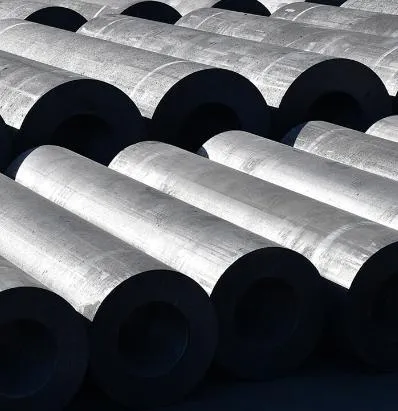
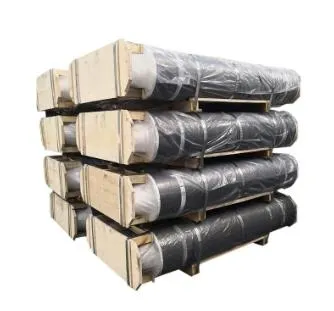
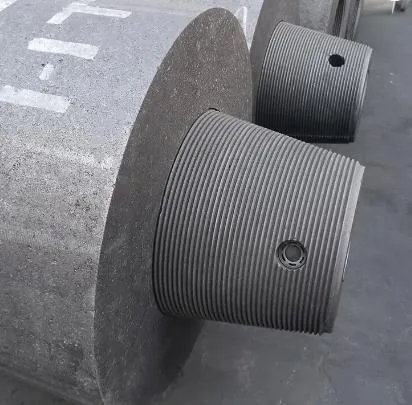
Graphite's unique properties – high electrical conductivity, thermal stability, and resistance to corrosion – make it an ideal material for electrode applications across a wide range of industries. From electric arc furnaces to electrochemical processes, NL Graphite specializes in delivering high-quality graphite electrodes tailored to specific needs. This article will explore the applications, benefits, and considerations when selecting graphite electrodes, providing a comprehensive overview for engineers, procurement professionals, and industry stakeholders. Understanding the characteristics of graphite electrodes is key to optimizing processes and ensuring efficiency.
Applications of Graphite Electrodes
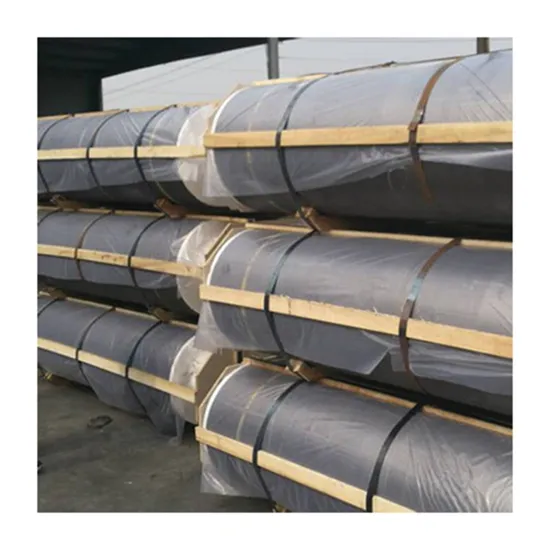
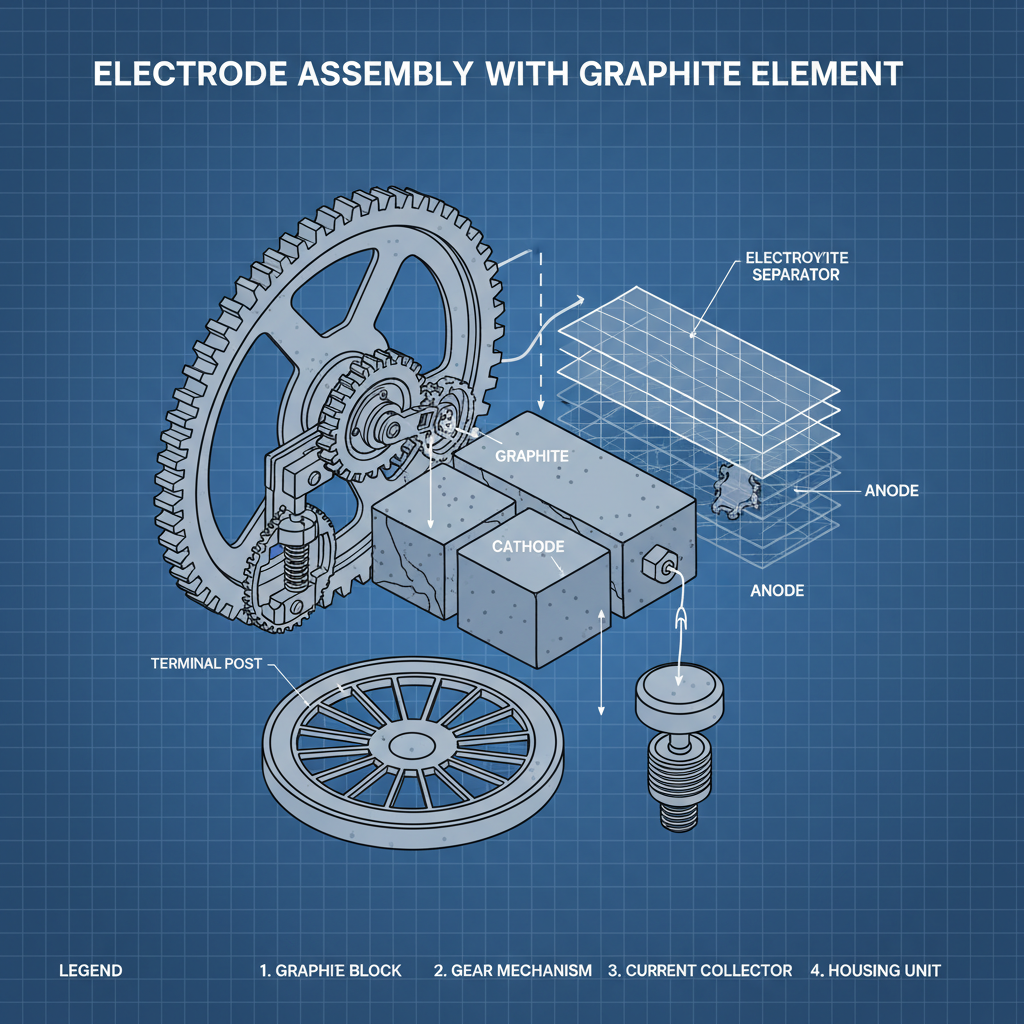
The versatility of graphite electrodes is evident in their diverse applications. Electric Arc Furnaces (EAFs) used in steelmaking rely heavily on graphite electrodes to melt scrap metal. Electrochemical processes, such as the production of aluminum and chlorine, utilize graphite electrodes due to their chemical inertness. Furthermore, graphite electrodes are essential in machining applications like Electrical Discharge Machining (EDM). The aerospace and semiconductor industries also leverage graphite electrodes for specialized applications requiring precise control and high purity. NL Graphite provides graphite electrodes for these and many other demanding applications.
Key Highlights: Graphite's high thermal conductivity and low electrical resistance make it ideal for demanding electrode applications, offering exceptional performance and longevity.
Graphite Electrode Properties: Why Graphite Excels
Several key properties contribute to graphite's effectiveness as an electrode material. High electrical conductivity minimizes energy loss during operation. Thermal stability allows graphite electrodes to withstand extremely high temperatures without degrading. The material’s resistance to chemical attack makes it suitable for use in corrosive environments. Graphite’s relatively low coefficient of thermal expansion reduces the risk of cracking and ensures dimensional stability during temperature fluctuations. NL Graphite’s electrodes are specifically engineered to maximize these properties for optimal performance.
Essential Graphite Properties:
• High Electrical Conductivity
• Excellent Thermal Stability
• Chemical Inertness
• Low Thermal Expansion
Graphite Grades & Electrode Specifications
Graphite electrodes are available in various grades, each tailored for specific applications. These grades differ in terms of purity, density, and mechanical strength. Higher purity grades are essential for applications demanding minimal contamination, such as semiconductor manufacturing. Denser graphite provides better thermal conductivity and resistance to wear. The appropriate electrode specification is determined by factors such as current density, operating temperature, and the chemical environment. NL Graphite offers a comprehensive range of graphite grades to meet diverse industrial requirements.
Comparing Graphite to Alternative Electrode Materials
While other materials can be used as electrodes, graphite consistently outperforms them in many applications. Compared to metals like copper and tungsten, graphite offers superior resistance to corrosion and lower density. Unlike carbon, graphite possesses a layered structure that enables efficient electron flow. Compared to ceramics, graphite has better thermal shock resistance and is less brittle. Therefore, graphite remains the material of choice for many high-performance electrode applications. Contact NL Graphite to discuss the best electrode material for your specific process.
Factors to Consider When Selecting Graphite Electrodes
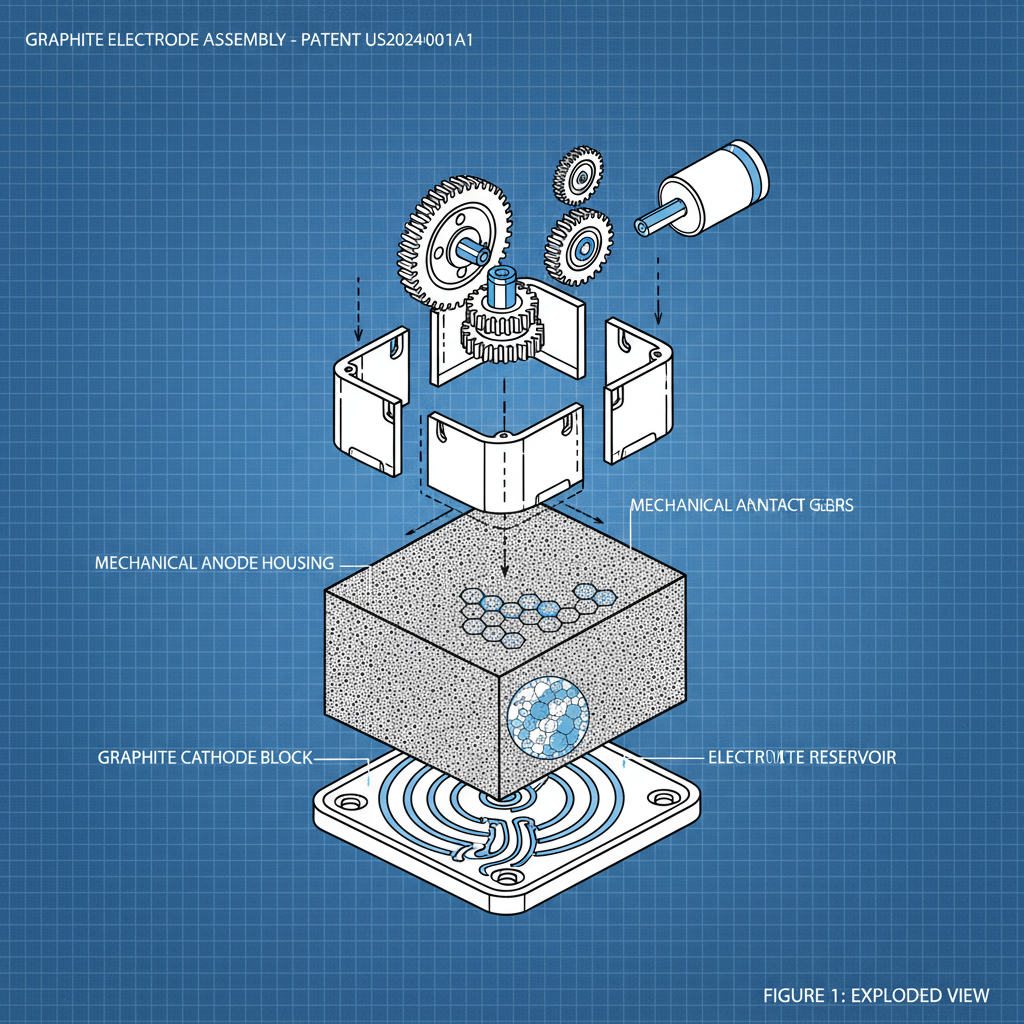
Choosing the right graphite electrode involves careful consideration of several factors. The operating temperature, current density, and chemical environment all influence electrode performance. The electrode’s geometry and dimensions must be optimized for the specific application. The required purity level dictates the appropriate graphite grade. And, of course, the cost-effectiveness and availability of different electrode options are important considerations. NL Graphite’s experienced engineers can provide expert guidance in selecting the optimal graphite electrode for your application.
Conclusion: Graphite Electrodes – A Cornerstone of Modern Industry
Graphite electrodes are essential components in numerous industrial processes, offering a unique combination of properties that make them indispensable. NL Graphite is committed to providing high-quality graphite electrodes and expert support to help our customers optimize their processes and achieve their goals. Invest in reliable graphite electrodes – invest in the future of your operations.
Frequently Asked Questions (FAQs)
What is the typical lifespan of a graphite electrode in an EAF?
The lifespan of a graphite electrode in an Electric Arc Furnace (EAF) is highly variable, depending on factors such as steel grade, furnace operating conditions, and electrode quality. However, a typical lifespan ranges from 40 to 80 hours, with some electrodes achieving over 100 hours under optimal conditions. Regular monitoring of electrode consumption and proper furnace maintenance are crucial for maximizing electrode life. NL Graphite provides electrodes designed for extended lifespan and consistent performance in demanding EAF applications.
How does the purity of graphite affect its performance as an electrode?
Higher purity graphite generally exhibits superior electrical conductivity and reduced resistance, leading to improved efficiency in electrode applications. Impurities can increase resistance, generate heat, and potentially contaminate the process. For applications demanding high precision and minimal contamination, such as semiconductor manufacturing or EDM, high-purity graphite electrodes are essential. NL Graphite offers a range of graphite grades with varying purity levels to meet specific application requirements.
What safety precautions should be taken when handling graphite electrodes?
Graphite dust can be an irritant to the respiratory system and skin. Therefore, it's crucial to wear appropriate personal protective equipment (PPE), including dust masks, gloves, and eye protection, when handling graphite electrodes. Work areas should be well-ventilated to minimize dust exposure. Avoid creating excessive dust during handling and transportation. Refer to the Material Safety Data Sheet (MSDS) for detailed safety information.
 Pervious
 Next
Next