

- Englist



Comprehensive Guide to Petroleum Coke Properties Uses and PDF Resources

Understanding Petroleum Coke: A Comprehensive Guide and PDF Resources
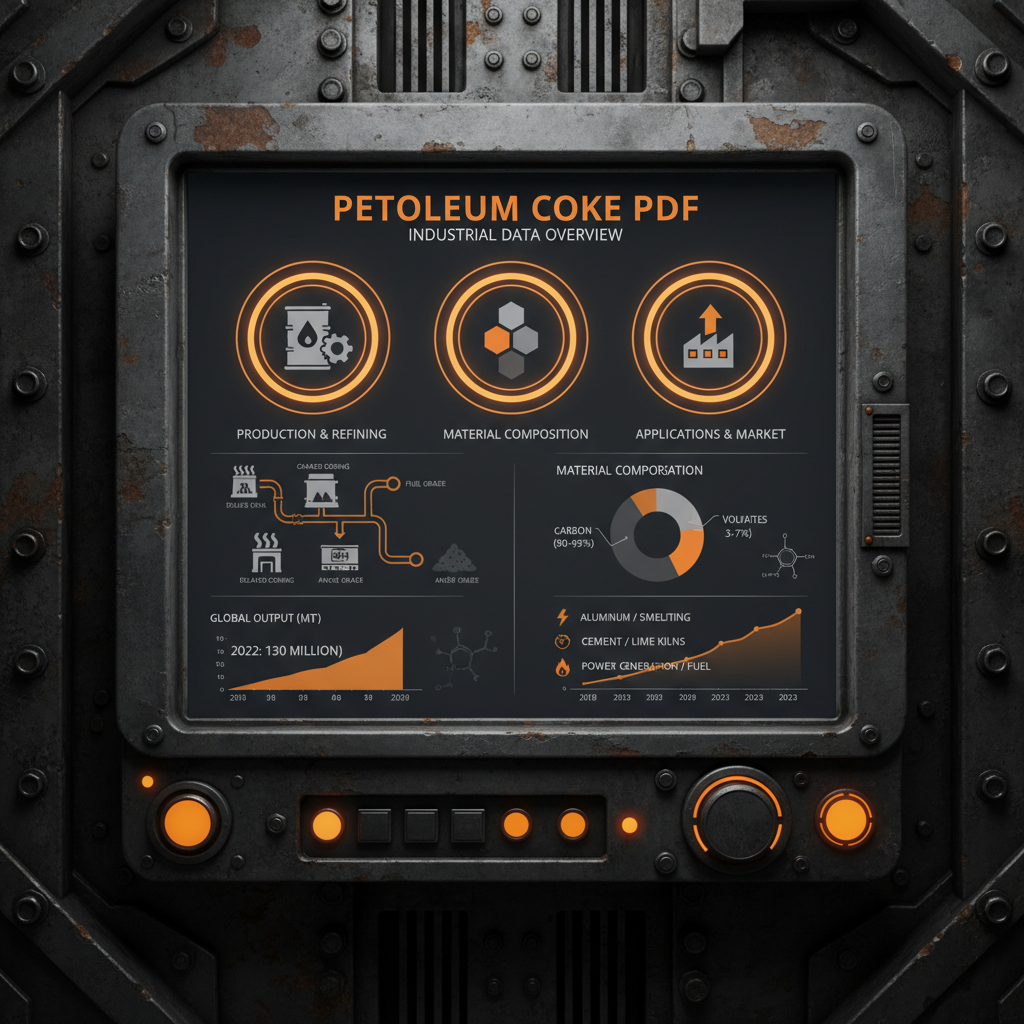
Petroleum coke (petcoke) is a carbon-rich byproduct of oil refining, playing a crucial role in various industrial applications. This article dives deep into its properties, production, uses, and how to access valuable resources like NL Graphite’s technical data and petroleum coke PDF documentation. We’ll explore the different grades available, its impact on industries, and important considerations for handling and sourcing this material. Understanding petcoke is vital for professionals in aluminum production, steel manufacturing, and numerous other fields.

What is Petroleum Coke and How is it Produced?
Petroleum coke is a solid carbon material derived from the final stages of refining crude oil. During the cracking process, heavier hydrocarbons are broken down into lighter, more valuable products like gasoline and diesel. The residual material, rich in carbon, forms the basis of petcoke. There are two primary types: delayed coke and fluid coke, distinguished by the coking process used. Delayed coking involves heating heavy oil residues in large drums, resulting in a sponge-like coke. Fluid coking uses a fluidized bed reactor, yielding a finer, more granular coke. Accessing detailed specifications through a petroleum coke PDF from reputable suppliers like NL Graphite is crucial for quality control.
Key Highlights: Petcoke is a carbon-rich byproduct of oil refining, available in delayed and fluid coke forms. Understanding its origin is key to understanding its properties.
Petroleum Coke Grades and Specifications
Petroleum coke isn’t a one-size-fits-all material. Different applications require different grades, characterized by factors like sulfur content, metal content, and particle size. Common grades include: Metallurgical Coke (used in steelmaking), Anode Coke (for aluminum production), and Fuel Grade Coke (for power generation). NL Graphite provides detailed petroleum coke PDF datasheets outlining these specifications, enabling informed purchasing decisions.
Key Grade Specifications:
• Sulfur Content: Typically ranges from 1% to 8%, impacting environmental regulations.
• Metal Content: Critical for aluminum production, with tight tolerances on iron, silicon, and other metals.
• Particle Size: Varies depending on the application, influencing handling and reactivity.
• Fixed Carbon: A key indicator of the coke’s carbon content and heating value.
Petroleum Coke Applications: A Diverse Range of Industries
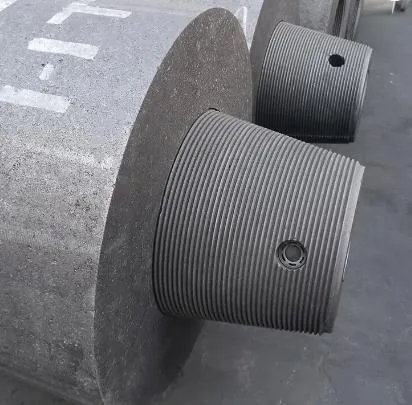
The versatility of petcoke stems from its high carbon content and relatively low cost. Its primary application is in the aluminum industry as the carbon anode material. It’s also heavily used in steel manufacturing as a reducing agent and carburizer. Furthermore, petcoke finds applications in power generation (as a fuel source), cement production, and the manufacturing of graphite electrodes. Accessing a comprehensive petroleum coke PDF from NL Graphite can highlight specific grades optimized for these different industries.
Handling and Environmental Considerations
Petcoke dust can pose environmental and health concerns. Proper handling and storage are crucial to minimize dust emissions. Enclosed handling systems, dust suppression techniques, and appropriate personal protective equipment (PPE) are essential. Environmental regulations regarding sulfur content and emissions vary by region. Reviewing a petroleum coke PDF safety data sheet (SDS) from a supplier like NL Graphite is vital for understanding these requirements and safe handling procedures.
Sourcing Petroleum Coke from a Reliable Supplier
Choosing a reputable supplier is paramount. Consider factors like product quality, consistency, supply chain reliability, and adherence to environmental regulations. NL Graphite is a trusted source, offering consistently high-quality petcoke and readily available technical documentation, including detailed petroleum coke PDF specifications and SDS documents. They can provide customized solutions tailored to your specific application needs.
Conclusion: Navigating the World of Petroleum Coke
Understanding the nuances of petroleum coke, from its production to its applications, is essential for professionals across various industries. Reliable sourcing, coupled with access to comprehensive technical data like the petroleum coke PDF resources provided by NL Graphite, ensures optimal performance and responsible handling. Prioritize quality, consistency, and adherence to safety and environmental standards when making your sourcing decisions.
Frequently Asked Questions (FAQs)
What are the primary environmental concerns associated with petroleum coke?
The main environmental concerns revolve around dust emissions and sulfur content. Petcoke dust can contribute to air pollution and respiratory problems. Higher sulfur content can lead to sulfur dioxide emissions during combustion, contributing to acid rain. Regulations are in place to control these emissions, and responsible suppliers prioritize dust suppression and offer low-sulfur grades. Reviewing the SDS in a petroleum coke PDF is crucial for understanding specific environmental implications.
How does the sulfur content of petcoke affect its applications?
Sulfur content significantly impacts suitability for different applications. High-sulfur petcoke is often used as a fuel source, while low-sulfur grades are essential for metallurgical applications like aluminum production, where sulfur can negatively affect product quality. Regulations also limit the permissible sulfur content in certain industries. Selecting the correct grade, guided by a petroleum coke PDF specification sheet, is vital.
What safety precautions should be taken when handling petroleum coke?
Petcoke dust can be an irritant. Always wear appropriate personal protective equipment (PPE), including respirators, gloves, and eye protection. Implement dust suppression measures, such as enclosed handling systems and water sprays. Ensure adequate ventilation in work areas. Always consult the Safety Data Sheet (SDS), available as a petroleum coke PDF, for detailed safety guidelines.
 Pervious
 Next
Next