

- Englist



Comprehensive Guide to Raw Petroleum Coke Specification and Quality Control

Raw Petroleum Coke Specification: A Comprehensive Guide
Raw Petroleum Coke (RPC) is a crucial carbon material derived from the refining of crude oil. Widely used in aluminum, steel, and titanium production, understanding its specifications is vital for buyers and users alike. This article dives deep into the details of raw petroleum coke specification, covering its properties, grades, quality control, and key considerations when sourcing from suppliers like NL Graphite. Proper specification ensures optimal performance in downstream applications and avoids costly issues.
Understanding Raw Petroleum Coke: A Breakdown
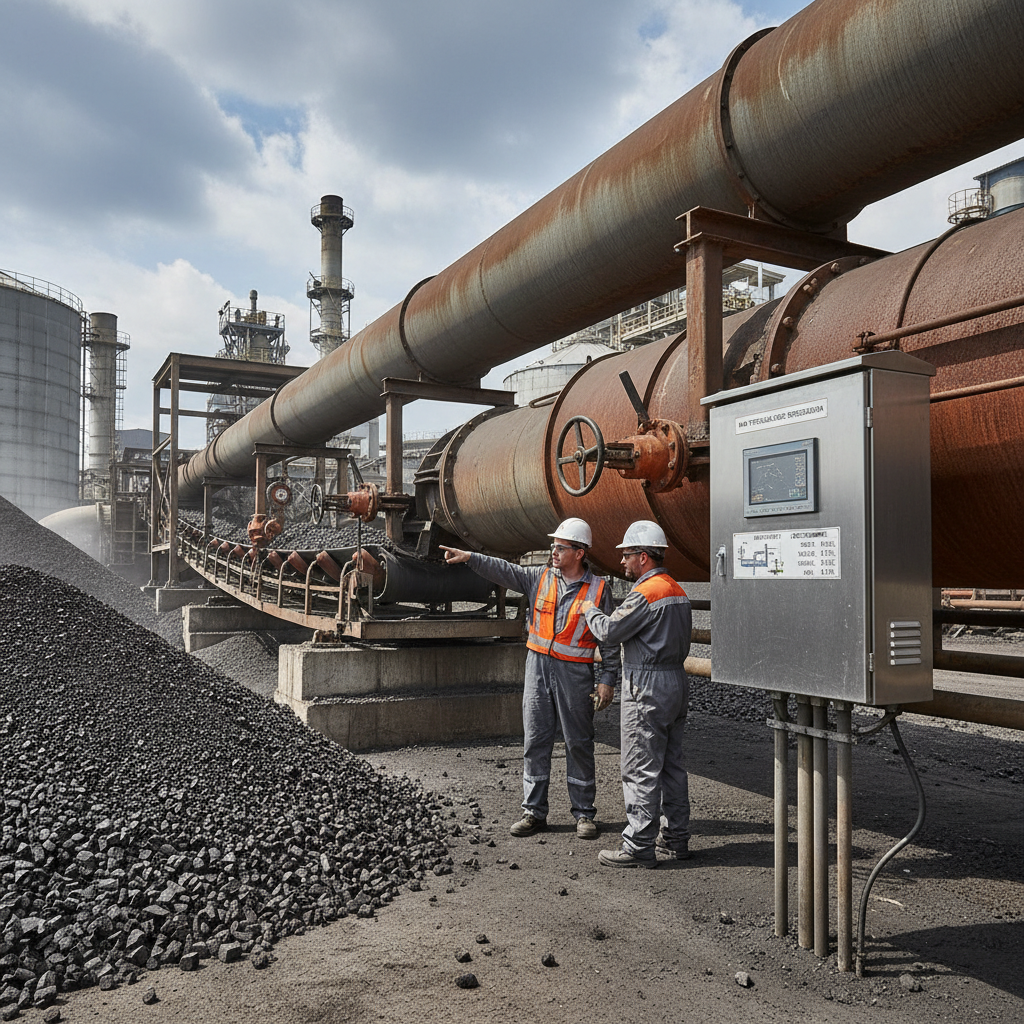
Raw petroleum coke (RPC) is the carbon-rich solid residue produced during the oil refining process, specifically from delayed coking units. It's a cost-effective source of carbon, making it invaluable in several industries. The quality of RPC varies significantly depending on the crude oil source and the refining process employed. Key characteristics that define RPC quality include its carbon content, sulfur content, moisture content, ash content, and particle size distribution. Understanding these factors is critical when evaluating different RPC suppliers and ensuring the material meets your specific application needs.
Key Highlights: RPC is a cost-effective carbon source. Quality varies based on crude oil and refining. Key specifications include carbon, sulfur, moisture, ash, and particle size.
Raw Petroleum Coke Specification: Key Parameters
Several parameters define the quality and suitability of raw petroleum coke for various applications. Controlling these parameters through rigorous quality control is essential. Here's a closer look at the most important specifications. A reputable supplier like NL Graphite will provide detailed Certificates of Analysis (COA) outlining these specifications for each batch.
RPC Grades and Applications
RPC is typically categorized into different grades based on its sulfur content and other characteristics. These grades determine its suitability for specific applications. Lower sulfur content RPC is preferred for more demanding applications like aluminum smelting. High sulfur RPC is suitable for less sensitive uses like power generation. Here’s a general overview:
RPC Grade Applications:
• Low Sulfur RPC: Aluminum Smelting, Production of Titanium Sponge.
• Medium Sulfur RPC: Steel Production, Cement Manufacturing.
• High Sulfur RPC: Power Generation, Boiler Fuel.
Quality Control and Testing for Raw Petroleum Coke
Rigorous quality control is paramount to ensure consistent RPC quality. This involves comprehensive testing throughout the production and supply chain. Standard tests include: Proximate analysis (moisture, volatile matter, fixed carbon, ash), ultimate analysis (carbon, hydrogen, nitrogen, sulfur), particle size analysis, and microscopic examination. Reputable suppliers, such as NL Graphite, employ accredited laboratories and provide detailed COAs with each shipment. This documentation is essential for traceability and ensures compliance with industry standards.

Choosing the Right RPC Supplier
Selecting a reliable RPC supplier is critical. Consider factors such as consistent quality, competitive pricing, reliable supply chain, and adherence to environmental regulations. A supplier with a strong track record and a commitment to quality control will minimize disruptions and ensure optimal performance in your applications. NL Graphite offers a wide range of RPC grades and consistently delivers high-quality material with comprehensive documentation.
Conclusion: Securing Quality Raw Petroleum Coke
Understanding raw petroleum coke specification is crucial for businesses relying on this vital material. By focusing on key parameters, sourcing from reputable suppliers like NL Graphite, and implementing rigorous quality control, you can ensure optimal performance, minimize disruptions, and maintain cost-effectiveness. Investing in quality RPC is an investment in the success of your operations.
Frequently Asked Questions (FAQs)
What is the typical sulfur content range for RPC?
Sulfur content in RPC can vary significantly, typically ranging from 1% to 8% or higher. The specific sulfur content dictates the grade and suitability for different applications. Low-sulfur RPC (≤ 1%) is preferred for aluminum smelting, while higher sulfur RPC can be used in other industries like power generation. It's essential to specify the required sulfur content when ordering and verify it through a Certificate of Analysis. The source of the crude oil has a major impact on the sulfur levels present in the final RPC product.
How does particle size distribution affect RPC performance?
Particle size distribution plays a crucial role in RPC's performance, particularly in applications like aluminum smelting. A consistent and appropriate particle size ensures optimal carbon burn rate and minimizes dust formation. Finer particles generally lead to faster reaction rates but can also increase dust levels. The ideal particle size distribution depends on the specific application and equipment used. Suppliers can provide RPC with tailored particle size distributions to meet your needs.
What are the environmental considerations when using RPC?
RPC combustion produces greenhouse gases, including carbon dioxide. Responsible use involves optimizing combustion efficiency to minimize emissions. Furthermore, dust control measures are essential to prevent air pollution. Choosing a supplier committed to sustainable practices and environmental compliance is crucial. Proper handling and storage of RPC also minimize environmental impact.
 Pervious
 Next
Next