

- Englist


Comprehensive Guide to the Use of Graphite Electrode in Industrial Applications

Use of Graphite Electrode: A Comprehensive Guide
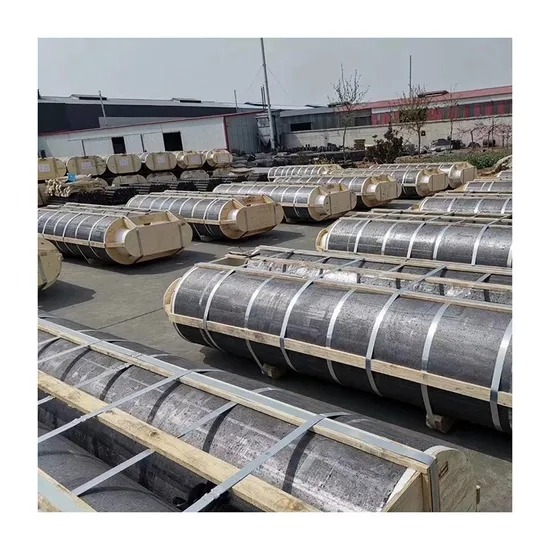
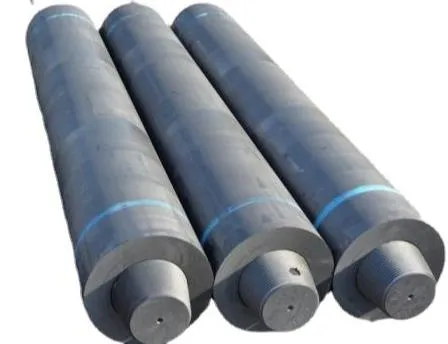
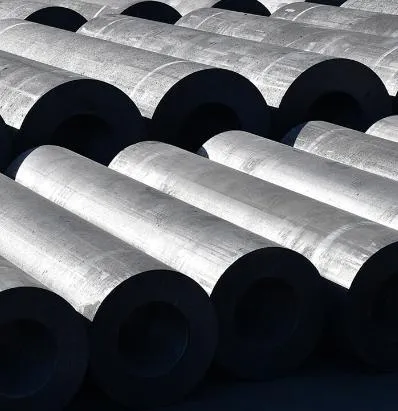
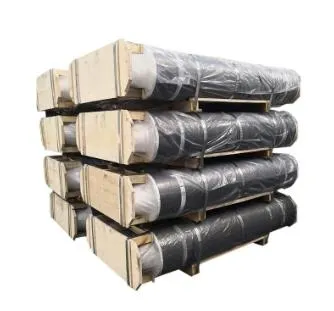
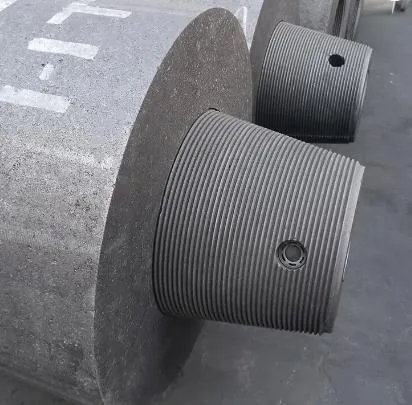
Graphite electrodes are essential components in various industrial processes, most notably in electric arc furnaces (EAFs) for steelmaking. Their unique properties, including high electrical conductivity, thermal stability, and resistance to chemical attack, make them irreplaceable in these demanding applications. Understanding the use of graphite electrodes is crucial for optimizing efficiency and quality in steel production. This article provides a detailed overview of graphite electrode applications, types, factors affecting performance, and future trends. Choosing the right electrode type and maintaining them effectively are vital for cost-effective and reliable operation.
Understanding Graphite Electrode Applications
Beyond steelmaking, graphite electrodes find application in several other industries. These include the production of ferroalloys, silicon metal, and other metals requiring high temperatures. They're also used in the manufacturing of phosphorus and calcium carbide. The versatility of graphite stems from its ability to withstand extreme temperatures and corrosive environments without significant degradation. The demand for graphite electrodes is closely tied to the global steel production rates and the growth of related metallurgical industries. NL Graphite offers a wide range of electrodes tailored to diverse industrial needs.
Key Application Areas: Steelmaking, Ferroalloy production, Silicon metal production, Phosphorus manufacturing, Calcium carbide production.
Types of Graphite Electrodes
Graphite electrodes are generally categorized into three main types: Regular Power (RP), High Power (HP), and Ultra High Power (UHP). Each type differs in its purity, density, and mechanical strength, influencing its performance and lifespan. RP electrodes are used in lower-power furnaces, while HP and UHP electrodes are designed for increasingly demanding applications requiring higher currents and longer operating times. The choice of electrode type depends on the specific furnace design, operating conditions, and desired productivity.
Graphite Electrode Types:
• Regular Power (RP): Lower purity, suitable for lower-power applications.
• High Power (HP): Higher purity and density, for medium-power furnaces.
• Ultra High Power (UHP): Highest purity and strength, designed for high-power, demanding conditions.
Factors Affecting Graphite Electrode Performance
Several factors influence the performance and consumption rate of graphite electrodes. These include the operating current, voltage, and arc stability. Improper electrode centering and alignment can lead to uneven wear and premature failure. The quality of the raw materials and manufacturing process also plays a critical role. Electrode consumption is often measured in kilograms per tonne of steel produced and is a key performance indicator for EAF operators. Minimizing consumption reduces costs and improves overall efficiency.
The Role of Graphite Electrode Specifications
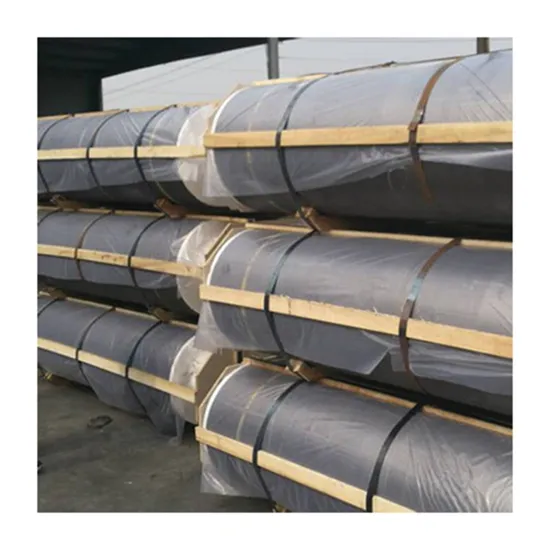
Understanding electrode specifications is paramount for optimal performance. Key parameters include diameter, length, nipple size, and permissible current. These specifications must align with the furnace design and operating parameters. NL Graphite provides detailed specifications for all its electrodes, ensuring compatibility and maximizing efficiency. Proper electrode selection minimizes downtime and ensures consistent steel quality.
Future Trends in Graphite Electrode Technology
Ongoing research and development are focused on improving the performance and lifespan of graphite electrodes. This includes exploring new raw materials, optimizing manufacturing processes, and developing coatings to enhance resistance to oxidation and erosion. The increasing demand for high-quality steel is driving innovation in electrode technology, with a focus on reducing consumption and improving energy efficiency. The use of advanced modeling and simulation techniques is also playing a vital role in optimizing electrode design and performance.
Conclusion
The use of graphite electrodes remains fundamental to the steelmaking industry and beyond. Understanding their properties, types, and factors influencing their performance is crucial for optimizing efficiency and reducing costs. By selecting the right electrode and implementing effective maintenance practices, operators can maximize productivity and ensure consistent product quality. Investing in high-quality electrodes from a reliable supplier like NL Graphite is a key step towards achieving these goals.
Frequently Asked Questions (FAQs)
What is the typical lifespan of a graphite electrode?
The lifespan of a graphite electrode varies significantly depending on several factors, including the electrode type (RP, HP, UHP), the operating current, the furnace conditions, and the quality of the electrode itself. Generally, UHP electrodes have the longest lifespan, often exceeding 80-120 hours in modern EAFs, while RP electrodes may last only 40-60 hours. Monitoring electrode consumption rates and regularly inspecting for damage are crucial for predicting lifespan and optimizing replacement schedules. NL Graphite provides expert guidance on maximizing electrode lifespan.
How does electrode diameter affect performance?
Electrode diameter is a critical parameter that influences current carrying capacity and overall performance. Larger diameter electrodes can handle higher currents, resulting in increased productivity. However, larger electrodes also have a higher consumption rate. The optimal electrode diameter must be carefully selected based on the furnace design and desired operating parameters. Using an inappropriately sized electrode can lead to reduced efficiency and increased costs.
What are the common causes of premature electrode breakage?
Premature electrode breakage can be caused by several factors, including mechanical shocks during electrode change, improper electrode alignment, arc instability, and the presence of defects in the electrode material. Water leaks into the furnace, causing thermal shock, are a significant cause of breakage. Careful handling, proper alignment, and maintaining a stable arc are essential for preventing premature failure. Regular inspection of the electrodes and furnace environment can help identify and address potential issues before they lead to breakage.
How can I reduce graphite electrode consumption?
Reducing graphite electrode consumption involves optimizing several operational parameters. This includes maintaining a stable arc, ensuring proper electrode centering, controlling the operating current and voltage, and preventing water leaks into the furnace. Using high-quality electrodes from a reputable supplier like NL Graphite, with consistent density and purity, also contributes to lower consumption rates. Regular monitoring of consumption rates and analyzing trends can help identify areas for improvement.
 Pervious
 Next
Next