

- Englist


Understanding the Critical Use of Graphite Electrodes in Steel Making Processes

Use of Graphite Electrodes in Steel Making
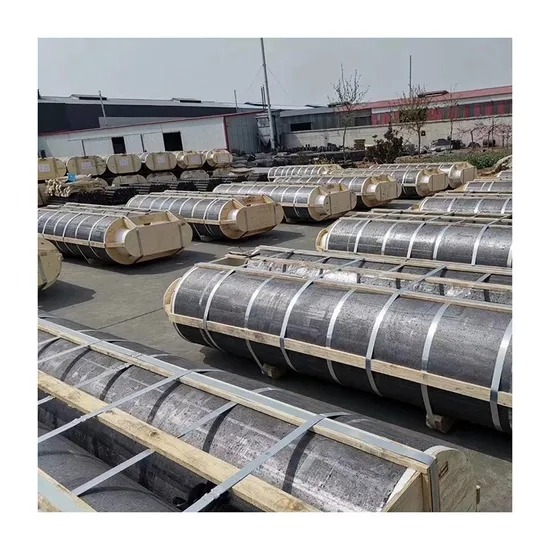
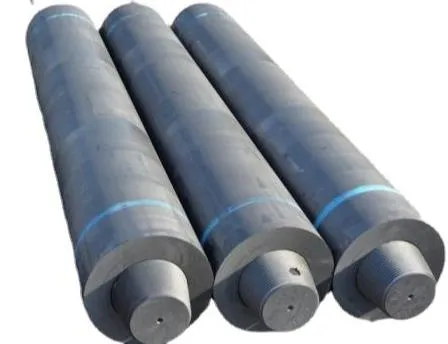
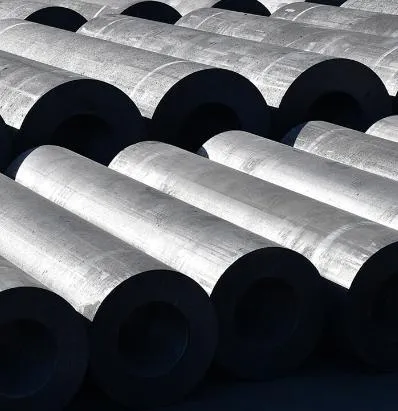
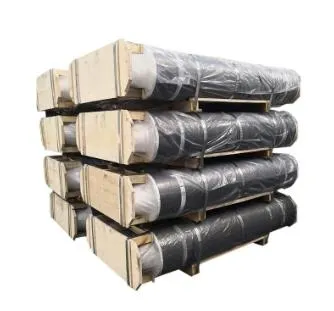
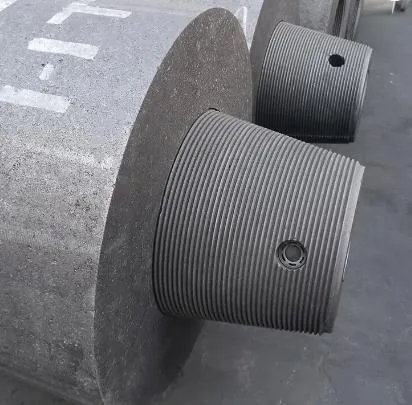
The steelmaking industry relies heavily on efficient and reliable processes, and at the heart of many of these lies the graphite electrode. These electrodes are critical components in electric arc furnaces (EAFs), acting as conduits for the immense electrical current needed to melt scrap steel and refine it into high-quality products. Understanding the use of graphite electrodes in steel making is vital for anyone involved in the metallurgical industry, from operators to material suppliers. This article will delve into the role of these electrodes, their characteristics, factors influencing their performance, and the latest advancements in electrode technology.
The Core Function: Electric Arc Furnace Operation
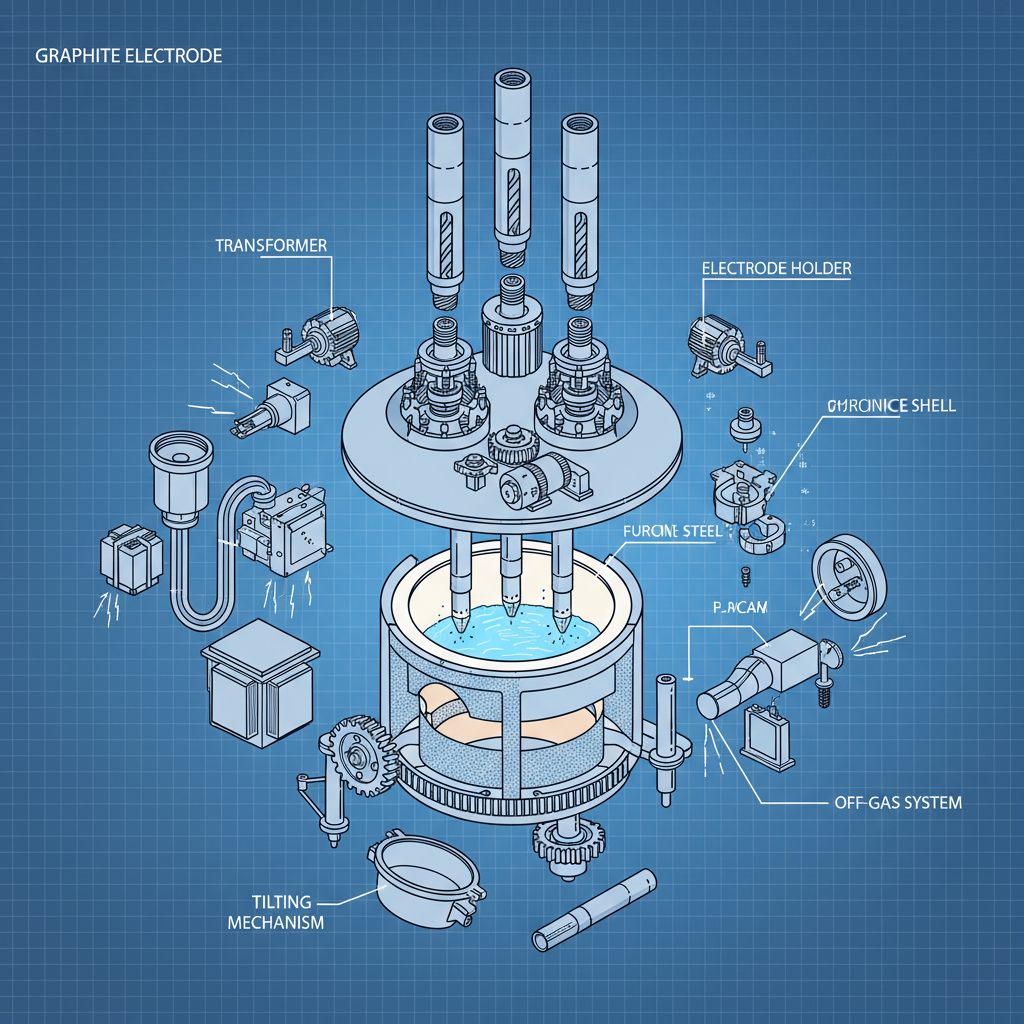
Electric Arc Furnaces utilize the heat generated by an electric arc to melt steel scrap. Graphite electrodes are vertically suspended above the scrap charge, and a high-voltage current is passed through them, creating an arc between the electrode tip and the scrap. This arc generates intense heat – reaching temperatures exceeding 3,500°C – sufficient to melt the steel. As the steel melts, impurities rise to the surface, forming slag, which is then removed. The process is highly efficient and allows for precise control over the steel's composition. The consistent and reliable performance of the electrodes is paramount to maintaining productivity and steel quality.
Key Highlights: Graphite electrodes are crucial for generating the high heat needed to melt scrap steel in EAFs, allowing for efficient and controlled steel production.
Key Properties of Graphite Electrodes for Steelmaking
The performance of graphite electrodes in steel making isn’t solely about conductivity. Several key properties dictate their suitability for the demanding EAF environment. These include high electrical conductivity, low electrical resistance, high thermal conductivity, excellent thermal shock resistance, high mechanical strength, and low ash content. Lower ash content minimizes contamination of the molten steel. The grain size and density of the graphite also play significant roles. Premium electrodes are manufactured from isostatic graphite, known for its uniform density and superior properties. Selecting the right electrode grade is vital for minimizing consumption rates and maximizing efficiency.
Essential Electrode Properties:
• High Electrical Conductivity
• Low Electrical Resistance
• Excellent Thermal Shock Resistance
• High Mechanical Strength
Factors Affecting Graphite Electrode Consumption
Electrode consumption is a major operational cost in steelmaking. Several factors influence how quickly electrodes wear down. These include arc voltage, current, steel grade being processed, operating practices, and the quality of the electrode itself. High arc voltage increases electrode consumption due to increased spatter. Fluctuations in current also contribute to faster wear. Proper electrode positioning and the use of optimized furnace operating parameters can significantly reduce consumption rates. Careful selection of electrode grades tailored to specific steelmaking processes is also essential. NL Graphite provides customized solutions to optimize electrode performance and reduce costs.
Graphite Electrode Grades and Their Applications
Graphite electrodes are categorized into different grades based on their properties and intended applications. Common grades include RP, HP, and UHP (Ultra High Power). RP (Regular Power) electrodes are used for lower-power furnaces and less demanding applications. HP (High Power) electrodes are the most widely used, offering a good balance of performance and cost. UHP electrodes deliver the highest performance, with exceptional thermal and electrical conductivity, and are ideal for high-power furnaces and specialized steel grades. The choice of grade depends on the furnace capacity, steel type, and desired production rate. Below is a comparison of the three main electrode grades:
Future Trends in Graphite Electrode Technology
Ongoing research and development efforts are focused on improving the performance and longevity of graphite electrodes in steel making. These include advancements in raw material selection, electrode manufacturing processes, and surface treatment technologies. New electrode coatings are being developed to reduce oxidation and improve resistance to thermal shock. The goal is to lower consumption rates, enhance steel quality, and reduce the overall cost of steel production. NL Graphite is at the forefront of these innovations, continually developing new electrode solutions to meet the evolving needs of the steel industry.
Conclusion: The Indispensable Role of Graphite Electrodes
The graphite electrode remains a cornerstone of modern steelmaking, enabling efficient and high-quality steel production. Understanding its properties, factors affecting its performance, and the latest technological advancements is crucial for optimizing EAF operations and maintaining competitiveness. NL Graphite is dedicated to providing innovative and reliable electrode solutions to meet the ever-changing demands of the steel industry.
Frequently Asked Questions (FAQs)
What is the typical lifespan of a graphite electrode in a steelmaking EAF?
The lifespan of a graphite electrode varies significantly based on several factors, including the furnace’s power, steel grade, operating practices, and electrode quality. However, a typical lifespan ranges from 20 to 80 hours, with some high-performance electrodes reaching even longer durations. Monitoring electrode consumption rates and regularly inspecting electrodes for damage are crucial for optimizing their usage and ensuring safe operation. Proper jointing and column alignment also contribute to extending electrode life.
How does the quality of the steel scrap affect graphite electrode consumption?
The quality of steel scrap plays a significant role in electrode consumption. Scrap containing high levels of conductive impurities (like copper) can lower the arc voltage, leading to increased electrode consumption. Also, the presence of volatile elements can contribute to increased spatter loss. Clean, well-sorted scrap with a consistent composition generally results in lower electrode consumption rates and more stable furnace operation. Therefore, careful scrap management and quality control are essential.
What are the safety considerations when handling graphite electrodes?
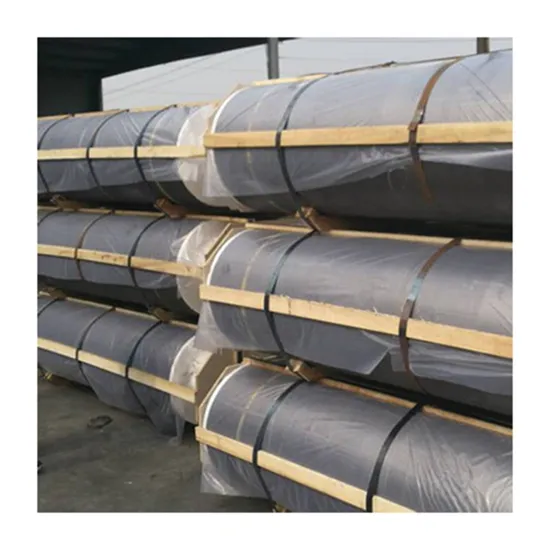
Graphite electrodes are heavy and can be fragile. Proper handling procedures are vital to prevent accidents. Always use appropriate lifting equipment and ensure electrodes are securely stored to avoid dropping or damage. When column joining, follow established procedures and use properly trained personnel. Additionally, graphite dust can be conductive and flammable, so good housekeeping practices are essential to prevent dust accumulation and potential fire hazards. Always wear appropriate personal protective equipment (PPE), including gloves and eye protection.
What is the role of column joining in graphite electrode usage?
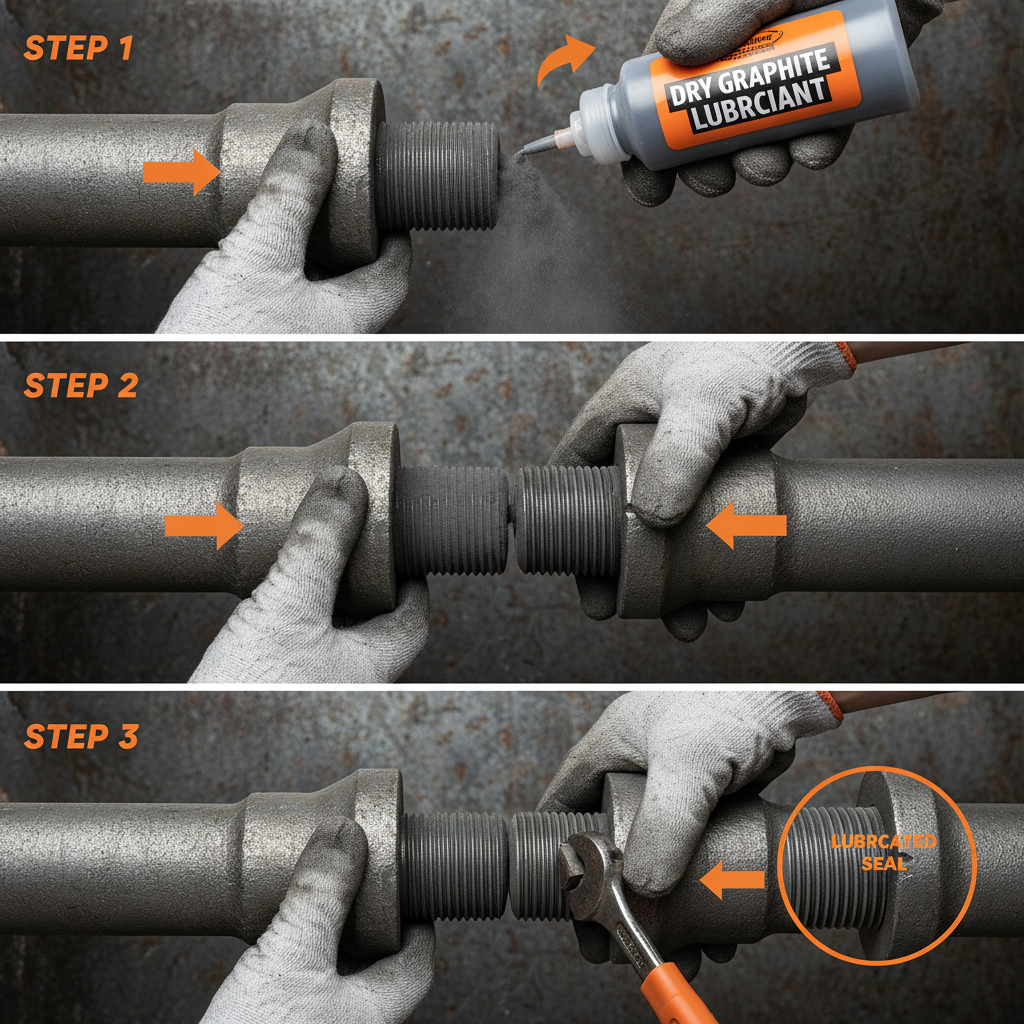
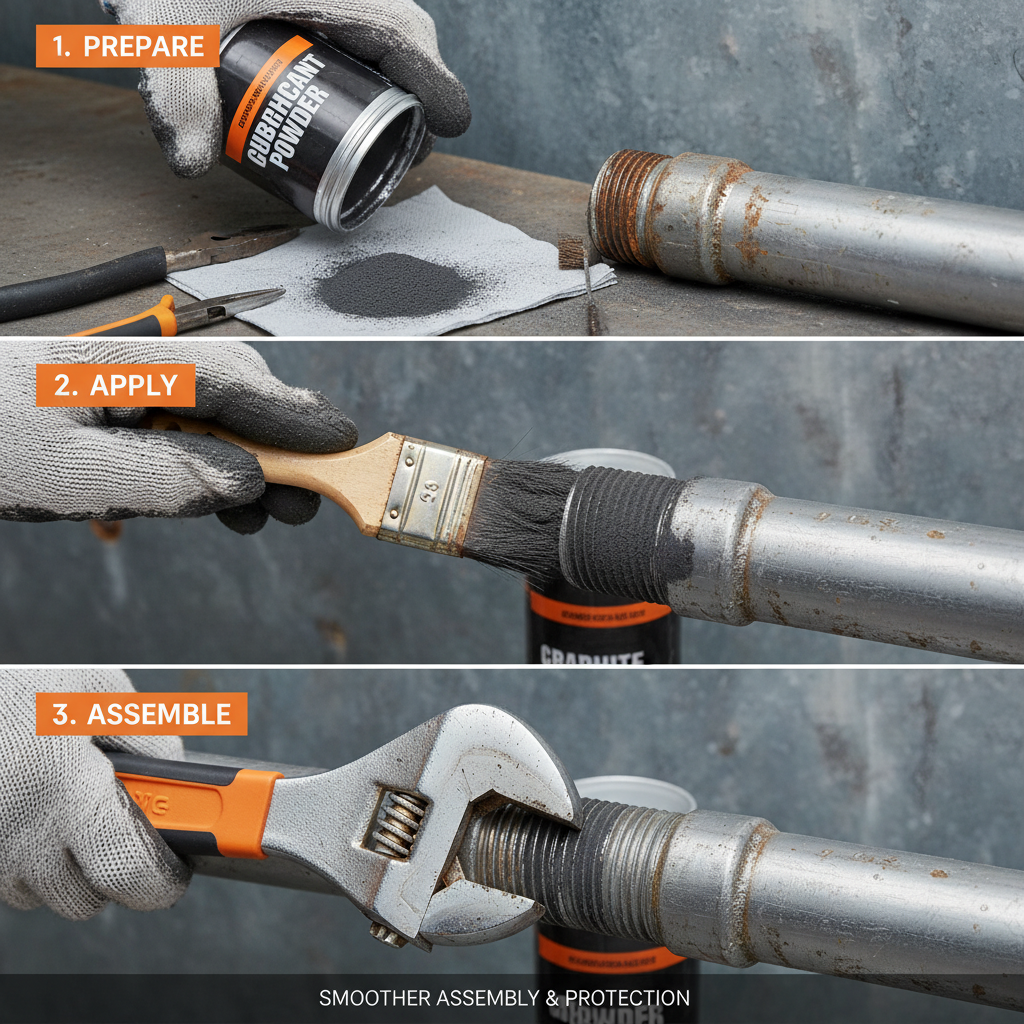
Column joining is the process of connecting individual electrode sections (columns) to achieve the required length for the EAF. Proper column joining is critical for maintaining electrical conductivity, mechanical strength, and ensuring a stable arc. Poorly joined columns can lead to increased resistance, arc instability, and premature electrode failure. Threaded nipples, often with anti-rotation pins, are used to securely join the columns. Regular inspection of joints is essential to detect any signs of loosening or damage.
 Pervious
 Next
Next