

- Englist


Graphite is Used as Electrode A Comprehensive Guide to Applications and Types

Graphite is Used as Electrode: A Comprehensive Guide
Graphite's unique properties make it an essential material in electrode manufacturing across diverse industries. Its exceptional electrical conductivity, thermal stability, and resistance to chemical corrosion make it ideal for various electrochemical processes. This article explores the applications of graphite electrodes, their advantages, different types, and considerations for selecting the right electrode for specific needs. Understanding the role of graphite electrodes is crucial for optimizing performance in numerous industrial applications.
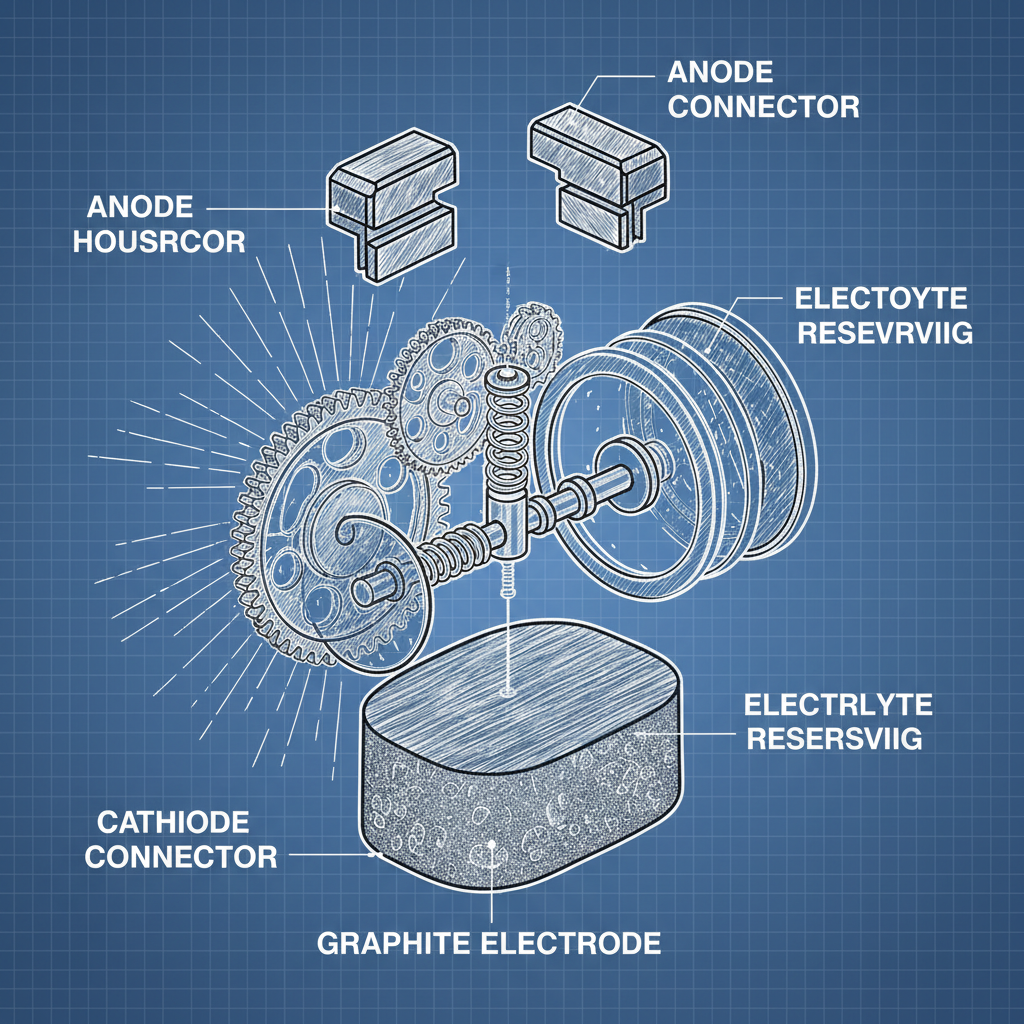
What Makes Graphite an Ideal Electrode Material?
Graphite’s exceptional properties contribute to its widespread use as an electrode material. Firstly, its high electrical conductivity allows for efficient current flow, essential in electrochemical reactions. Secondly, its remarkable thermal stability ensures it can withstand high temperatures without significant degradation. Thirdly, graphite exhibits excellent chemical inertness, resisting corrosion from a wide range of chemicals. Finally, its machinability allows for easy fabrication into various electrode shapes and sizes. These characteristics make graphite superior to many other materials in electrode applications. NL Graphite offers a wide range of graphite materials tailored for electrode manufacturing.
Key Highlights: Graphite’s high electrical conductivity, thermal stability, and chemical inertness make it a superior electrode material, enabling efficient and reliable performance in various applications.
Graphite is Used as Electrode: Key Applications
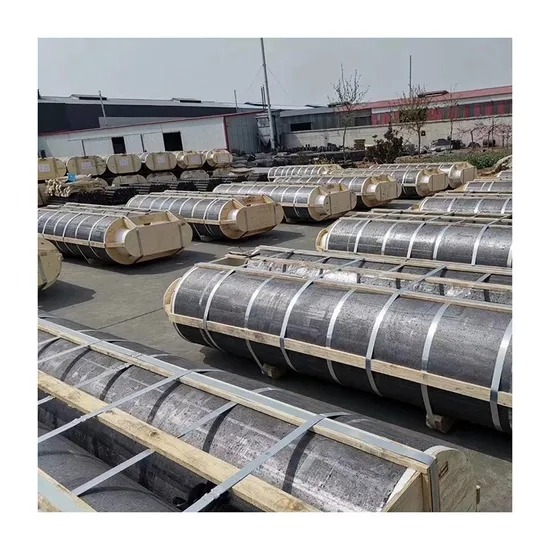
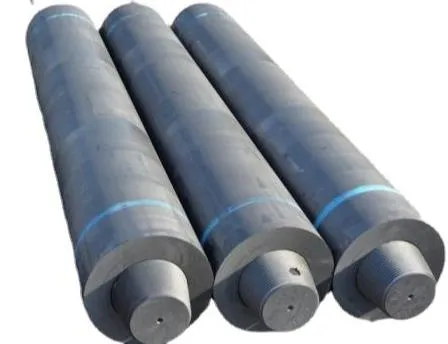
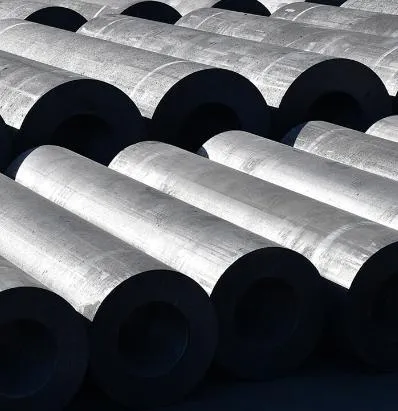
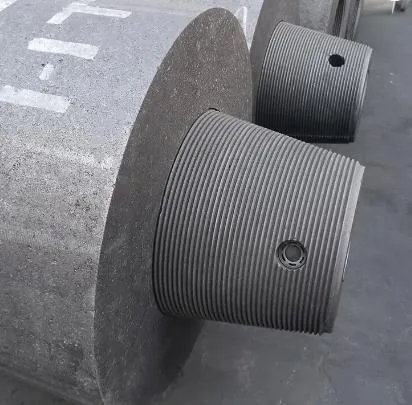
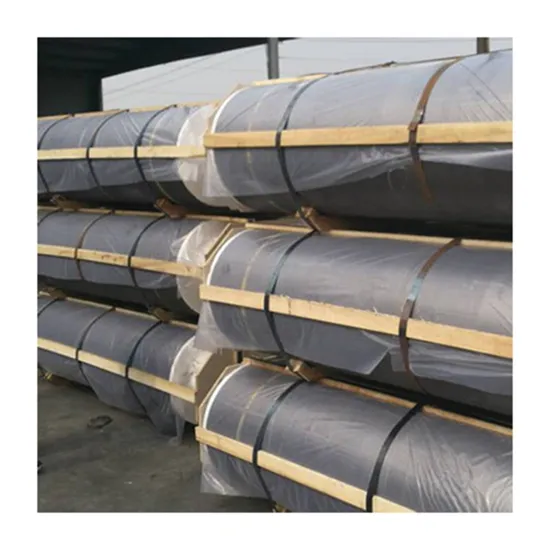
The versatility of graphite electrodes allows for widespread application across various industries. In the aluminum smelting industry, graphite anodes are essential for the Hall-Héroult process, facilitating the electrolytic production of aluminum. In the steel industry, graphite electrodes are used in electric arc furnaces (EAFs) to melt scrap metal and produce high-quality steel. Other significant applications include electrochemical machining (ECM), electrolytic organic synthesis, and water treatment. Each application leverages graphite’s unique properties to optimize process efficiency and product quality.
Application Areas:
• Aluminum Smelting
• Steel Production (EAFs)
• Electrochemical Machining (ECM)
• Electrolytic Organic Synthesis
• Water Treatment
Comparing Different Types of Graphite Electrodes
Different types of graphite electrodes are available, each tailored to specific application requirements. Isotropic graphite offers uniform properties in all directions, making it suitable for general-purpose applications. Fine-grained graphite exhibits higher strength and lower porosity, ideal for high-current applications. Coarse-grained graphite is often used in EAFs due to its excellent thermal shock resistance. The selection of the appropriate graphite grade is critical for optimizing electrode performance and lifespan. Choosing the best option for your specific application can be done in consultation with specialists like those at NL Graphite.
Factors to Consider When Selecting Graphite Electrodes
Selecting the right graphite electrode requires careful consideration of several factors. The current density, operating temperature, chemical environment, and desired electrode lifespan all play a crucial role. Moreover, the electrode's dimensions and shape must be optimized for the specific application. Consulting with experts in graphite materials, like NL Graphite, can provide valuable insights and ensure optimal electrode performance and longevity. Proper electrode selection directly impacts process efficiency, product quality, and overall cost-effectiveness.
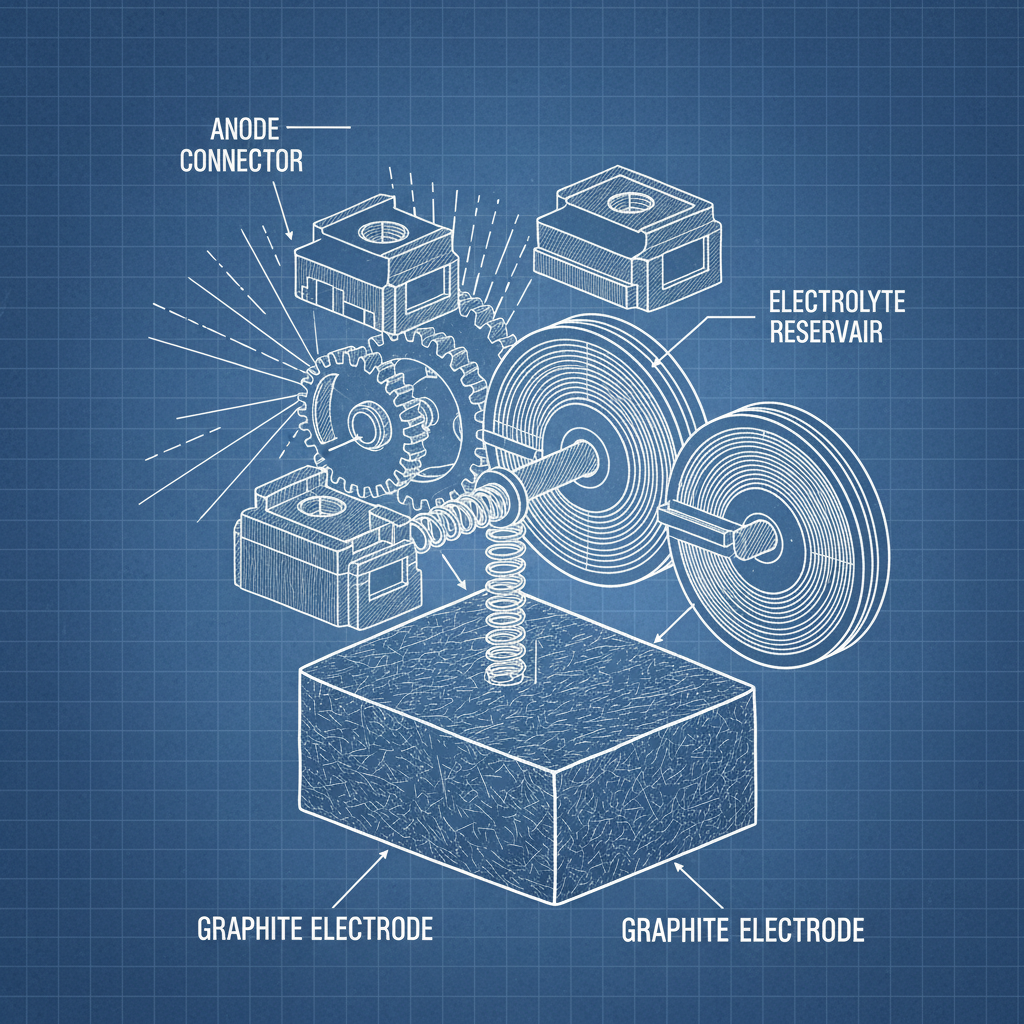
Future Trends in Graphite Electrode Technology
Ongoing research and development efforts are focused on enhancing the performance and lifespan of graphite electrodes. This includes exploring new graphite grades with improved properties, optimizing electrode coatings for increased resistance to oxidation and corrosion, and developing innovative electrode designs for improved current distribution and thermal management. These advancements will further solidify graphite’s position as the preferred electrode material across a wide range of industries. NL Graphite is committed to staying at the forefront of these technological advancements.
Conclusion: Graphite Electrodes – A Cornerstone of Industrial Processes
Graphite electrodes remain an indispensable component in numerous industrial applications, offering a unique combination of properties that enable efficient and reliable performance. By understanding the different types of graphite, key application areas, and factors influencing electrode selection, businesses can optimize their processes and achieve superior results. NL Graphite is a trusted partner in providing high-quality graphite solutions to meet diverse industrial needs.
Frequently Asked Questions (FAQs)
What is the typical lifespan of a graphite electrode?
The lifespan of a graphite electrode varies significantly depending on the application and operating conditions. Factors such as current density, temperature, and the chemical environment all influence electrode consumption. In aluminum smelting, for instance, electrodes may last for several hundred hours, while in EAFs, the lifespan could be shorter. Regular monitoring of electrode diameter and length is crucial for determining when replacement is necessary. NL Graphite provides expert guidance on electrode lifespan assessment and replacement strategies.
How does temperature affect graphite electrode performance?
Temperature plays a critical role in graphite electrode performance. Higher temperatures generally accelerate electrode consumption due to increased oxidation and sublimation. Maintaining optimal operating temperatures is essential for maximizing electrode lifespan and ensuring stable process operation. Graphite electrodes are chosen based on their ability to withstand the expected temperatures in a given application. Furthermore, employing appropriate cooling techniques can help mitigate thermal stress and prolong electrode life.
What are the safety considerations when handling graphite electrodes?
While graphite is generally considered a safe material, certain precautions should be taken when handling electrodes. Graphite dust can be irritating to the respiratory system, so wearing a dust mask is recommended during handling and machining. Electrodes should be handled with care to avoid breakage, and proper lifting techniques should be employed due to their weight. Additionally, avoid contact with water or conductive materials when working near energized electrodes. NL Graphite provides detailed safety guidelines with its products.
Can graphite electrodes be recycled?
Yes, graphite electrodes can be recycled. Spent electrodes are often crushed and processed to recover graphite for use in other applications, such as refractories and carbon brushes. Recycling graphite reduces waste and conserves valuable resources. NL Graphite promotes sustainable practices and supports graphite recycling initiatives.
 Pervious
 Next
Next