

- Englist



Graphite Electrode Innovations

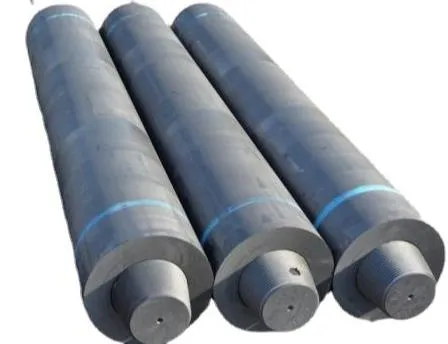
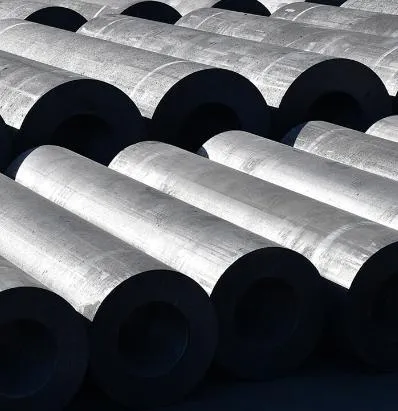
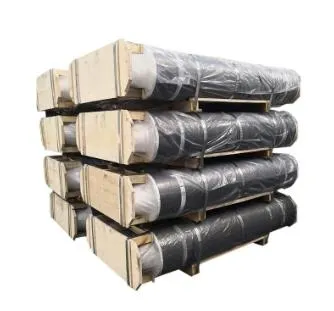
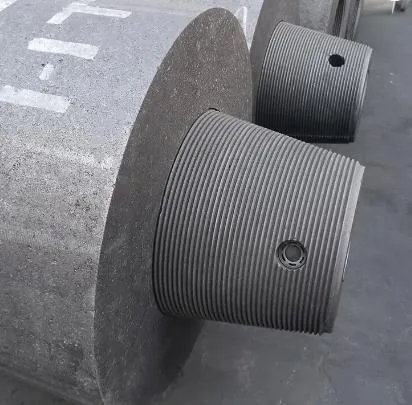
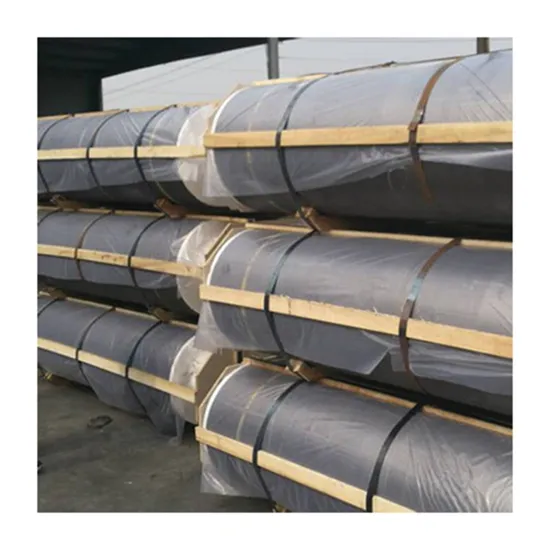
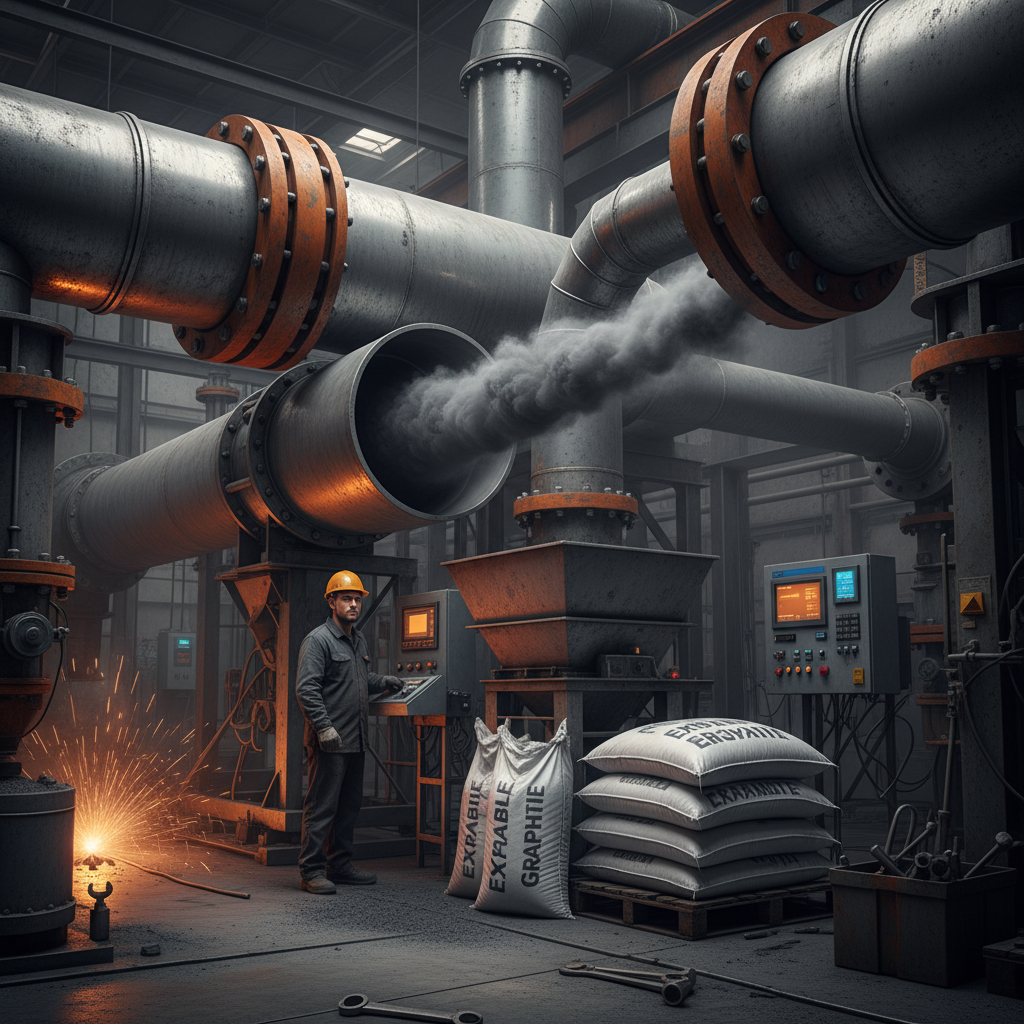
The global industrial landscape relies heavily on advanced materials like graphite electrodes, which play a pivotal role in high-temperature applications. Produced by specialized graphite electrode manufacturers, these components are indispensable in sectors ranging from steelmaking to renewable energy. Understanding graphite electrode price dynamics and graphite electrodes uses is critical for industries aiming to optimize efficiency and cost-effectiveness. This article explores the manufacturing processes, applications, pricing factors, and sustainability trends shaping the graphite electrode industry.
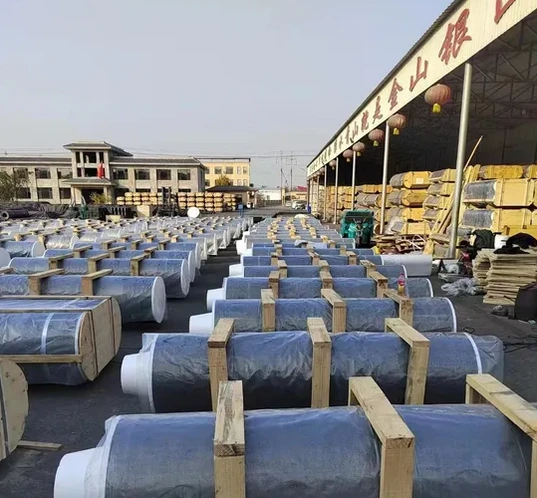
Graphite Electrodes Uses in Modern Industry
Graphite electrodes uses span diverse industries due to their exceptional thermal conductivity and resistance to extreme heat. In electric arc furnaces, graphite electrodes are essential for melting scrap steel, accounting for over 70% of global steel production. They also enable the refinement of metals like silicon and titanium, crucial for aerospace and electronics manufacturing. Beyond metallurgy, graphite electrodes are integral to lithium-ion battery production, supporting the shift toward electric vehicles and renewable energy storage. Their role in chemical processing, such as producing chlorine and aluminum, further underscores their versatility.
The growing demand for high-purity metals and sustainable manufacturing practices has amplified the importance of graphite electrodes uses in reducing carbon footprints. Innovations like ultra-high-power electrodes enhance energy efficiency, aligning with global decarbonization goals.
Graphite Electrode Manufacturers and Production Techniques
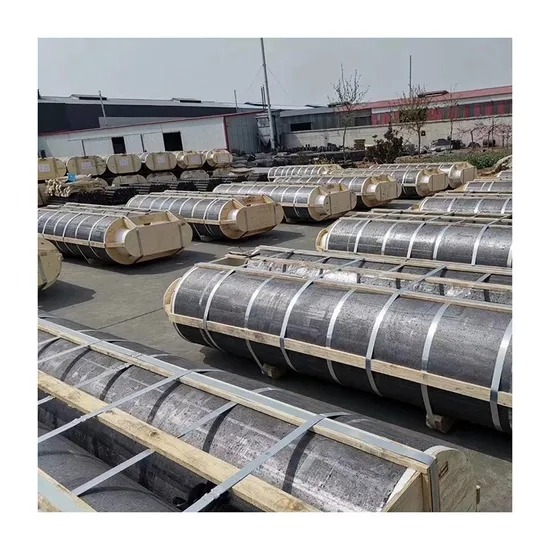
Graphite electrode manufacturers employ complex processes to meet stringent quality standards. Production begins with blending petroleum coke and coal tar pitch, which is then extruded and baked at temperatures exceeding 2,800°C. The final step involves graphitization, where electrodes are heated to 3,000°C to achieve optimal conductivity and durability.
Leading graphite electrode manufacturers prioritize raw material purity and advanced machinery to minimize defects. Challenges include fluctuating petroleum coke prices and environmental regulations, which drive investments in cleaner production methods. Regional disparities in manufacturing capacity also influence supply chains, with China dominating production due to its access to raw materials and lower labor costs.
Factors Influencing Graphite Electrode Price Trends
The graphite electrode price is shaped by multiple variables. Raw material costs, particularly petroleum coke and needle coke. Geopolitical tensions and trade policies further disrupt supply, causing volatility. Demand from the steel industry, which consumes global graphite electrodes, directly impacts pricing.
Environmental regulations, such as emissions caps on steel mills, incentivize upgrades to UHP electrodes, raising their graphite electrode price. Conversely, recycling initiatives and innovations in electrode longevity could stabilize costs long-term. Market analysts project steady growth in graphite electrode price as renewable energy and electric vehicle sectors expand.
Sustainability and Innovation in Graphite Electrode Applications
Sustainability is reshaping graphite electrodes uses and production. Manufacturers are adopting circular economy principles, recycling spent electrodes into raw materials. Innovations like coated electrodes reduce oxidation, extending lifespan and lowering replacement frequency. Research into bio-based binders aims to cut reliance on petroleum derivatives, aligning with net-zero targets.
Emerging applications, such as hydrogen fuel cell components, highlight the adaptability of graphite electrodes. Collaborative efforts between graphite electrode manufacturers and academia are accelerating breakthroughs in nanotechnology and 3D-printed electrode designs, promising enhanced performance at reduced graphite electrode price points.
Graphite Electrodes Uses FAQs
What are the primary industries dependent on graphite electrodes uses?
Steelmaking, non-ferrous metal refining, and lithium-ion battery production are key sectors leveraging graphite electrodes uses. Their high thermal efficiency makes them irreplaceable in electric arc furnaces and chemical processing.
How do graphite electrode manufacturers ensure product quality?
Graphite electrode manufacturers implement rigorous testing, including density checks and thermal shock resistance trials. Advanced graphitization furnaces and automated quality control systems minimize defects.
Why does the graphite electrode price fluctuate frequently?
The graphite electrode price is sensitive to petroleum coke market trends, steel industry demand, and environmental compliance costs. Supply chain disruptions and geopolitical factors also contribute to volatility.
Can recycled materials reduce the graphite electrode price?
Yes. Recycling spent electrodes into raw materials lowers production costs for graphite electrode manufacturers, potentially stabilizing the graphite electrode price while supporting sustainability goals.
What innovations are transforming graphite electrodes uses?---H3
Coating technologies, bio-based binders, and 3D printing are revolutionizing graphite electrodes uses, enhancing durability and expanding applications in renewable energy and hydrogen production.
Graphite electrodes are indispensable in modern industry, with graphite electrodes uses spanning steelmaking, renewable energy, and chemical processing. Graphite electrode manufacturers face challenges balancing quality, cost, and sustainability, while graphite electrode price trends reflect raw material dynamics and global demand shifts. Innovations in recycling and production techniques promise to enhance efficiency and affordability, ensuring graphite electrodes remain vital to industrial progress.
Specialized graphite electrode manufacturers utilize advanced techniques to produce high-quality components, balancing raw material costs and environmental regulations. The graphite electrode price remains volatile due to fluctuating demand, geopolitical factors, and innovations aimed at enhancing sustainability. As industries prioritize efficiency and eco-friendly practices, advancements in recycling and coated electrode technologies are poised to optimize graphite electrodes applications while stabilizing long-term costs. This synergy of innovation and practicality ensures graphite electrodes continue to drive progress across global industrial landscapes.
 Pervious
 Next
Next