

- Englist



Graphite Rods and Bars for Industrial Applications

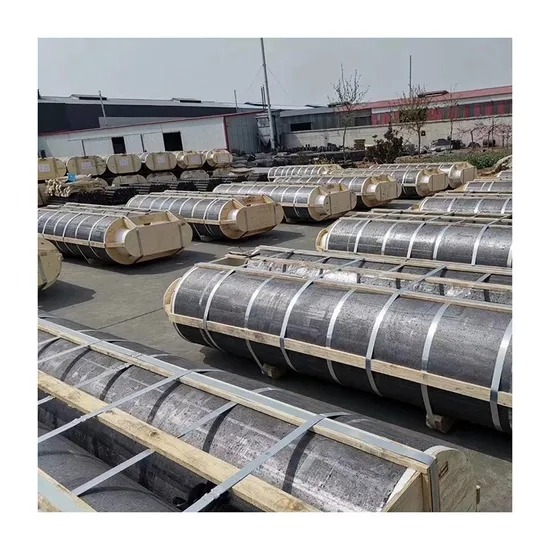
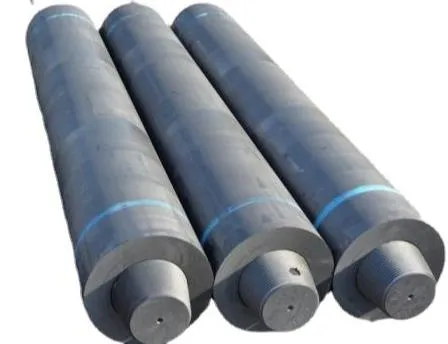
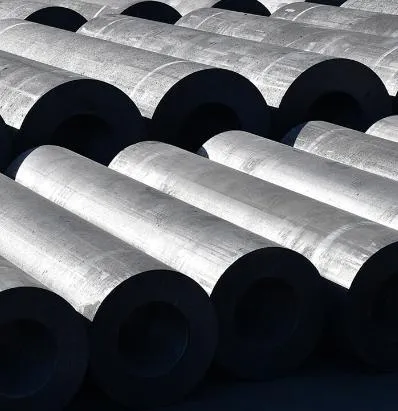
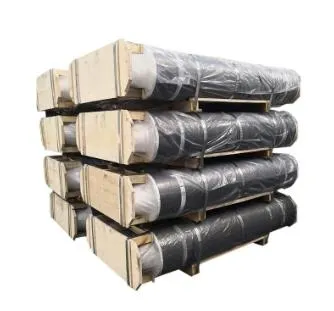
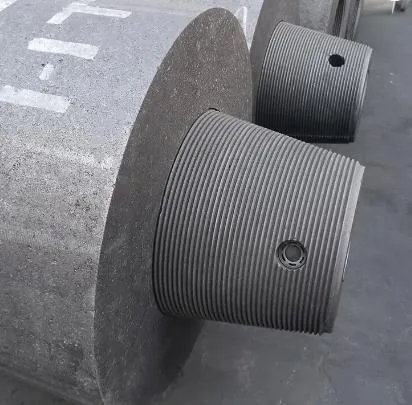
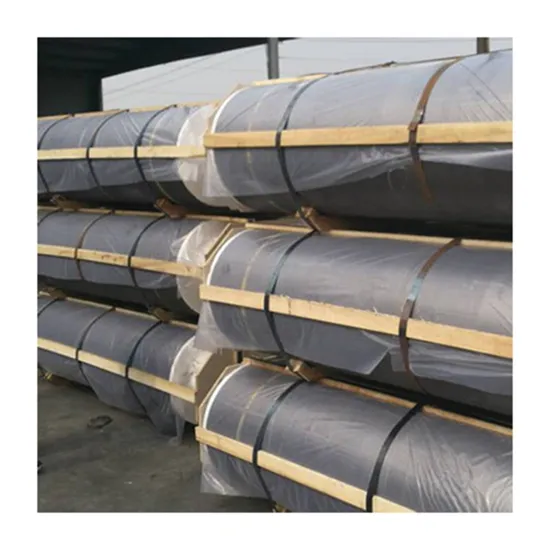
The industrial sector relies heavily on specialized materials like graphite rods and graphite bars due to their unique properties, including high thermal resistance, electrical conductivity, and chemical stability. These components are critical in processes such as electrolysis, where precision and durability are non-negotiable. However, factors like graphite rod price and application-specific requirements often influence purchasing decisions. This article explores the uses, manufacturing, and economic considerations of graphite rods and graphite bars, with a focus on their role in electrolysis.
Graphite Rods for Electrolysis Applications and Benefits
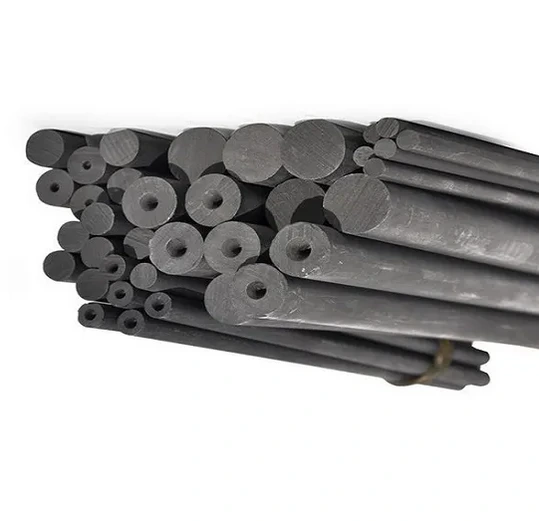
Graphite rods for electrolysis are indispensable in industries requiring efficient electrochemical reactions. Their high conductivity and resistance to corrosive environments make them ideal for processes like metal refining, water treatment, and hydrogen production.
In electrolysis, graphite rods act as electrodes, facilitating the transfer of electrons without degrading under extreme pH or temperature conditions. Unlike metallic alternatives, graphite bars do not react with most electrolytes, ensuring long-term stability. This reduces maintenance costs, offsetting the initial graphite rod price concerns.
Additionally, the porous structure of graphite rods enhances surface area, improving reaction efficiency. Industries prioritizing sustainability increasingly adopt graphite rods for electrolysis due to their recyclability and minimal environmental footprint.
Graphite Bar Manufacturing and Industrial Uses
The production of graphite bars involves compressing high-purity graphite powder under extreme heat and pressure. This process ensures uniformity, density, and mechanical strength, making them suitable for high-stress environments.
Graphite bars are widely used in furnaces, electrical discharge machining (EDM), and aerospace components. Their ability to withstand temperatures exceeding 3,000°C without structural failure makes them irreplaceable in metallurgy. Unlike graphite rods, which are often tailored for electrochemical applications, graphite bars excel in thermal management and mechanical wear resistance.
The versatility of graphite bars also extends to semiconductor manufacturing, where their non-reactive nature prevents contamination. While the graphite rod price may fluctuate based on market demand, graphite bars maintain steady value due to their broad industrial utility.
--
Factors Influencing Graphite Rod Price
The graphite rod price is determined by several variables, including raw material quality, production complexity, and global supply chains. High-purity graphite commands a premium due to its enhanced conductivity and longevity, especially for graphite rods for electrolysis.
Geopolitical factors, such as mining regulations in key graphite-producing countries, also impact costs. Additionally, customization—like specific diameters or surface treatments—can elevate the graphite rod price. Buyers must balance these expenses against performance benefits, as cheaper alternatives may compromise efficiency in critical applications.
Market trends toward green energy solutions, such as hydrogen fuel cells, are driving demand for graphite rods, further influencing pricing dynamics. Companies investing in bulk purchases or long-term supplier contracts often mitigate graphite rod price volatility.
--
Comparing Graphite Rod and Graphite Bar Performance
While graphite rods and graphite bars share material origins, their performance diverges based on application. Graphite rods for electrolysis prioritize electrical conductivity and corrosion resistance, whereas graphite bars emphasize thermal stability and mechanical endurance.
In electrolysis, graphite rods outperform metals due to their inertness, whereas graphite bars are preferred in high-temperature forging. The graphite rod price may be higher for specialized electrochemical grades, but their lifespan in harsh environments justifies the investment.Understanding these distinctions ensures optimal material selection, balancing cost, durability, and operational efficiency.
Graphite Rod Price FAQs
How Does Graphite Rod Price Vary by Application?
The graphite rod price depends on purity, size, and application-specific treatments. Electrolysis-grade graphite rods often cost more due to stringent conductivity requirements, while general-purpose rods are cheaper but less durable.
Why Are Graphite Rods for Electrolysis Preferred Over Metal Electrodes?
Graphite rods for electrolysis resist chemical corrosion and maintain conductivity in acidic/alkaline environments, unlike metals that degrade or react, contaminating the process.
Can Graphite Bars Replace Graphite Rods in High-Temperature Settings?
Graphite bars excel in thermal applications but lack the optimized conductivity of graphite rods for electrolysis. Their use depends on whether heat management or electrochemical efficiency is prioritized.
What Drives Fluctuations in Graphite Rod Price?
Supply chain disruptions, raw material scarcity, and demand surges in sectors like renewable energy significantly impact graphite rod price.
How Long Do Graphite Rods for Electrolysis Last?
With proper maintenance, graphite rods for electrolysis can last years, even in aggressive chemical environments, reducing long-term replacement costs despite higher initial graphite rod price.
Graphite rods and graphite bars are pivotal in modern industry, offering unmatched performance in electrolysis, thermal management, and mechanical applications. While the graphite rod price may pose initial challenges, their durability and efficiency deliver long-term value. Understanding their distinct roles ensures informed decisions, optimizing both cost and operational success.
This article explored the critical roles of graphite rods and graphite bars, emphasizing their use in electrolysis and industrial processes. Key considerations like graphite rod price, manufacturing techniques, and application-specific performance were analyzed. By prioritizing material properties and economic factors, industries can leverage these components to enhance efficiency and sustainability.
 Pervious
 Next
Next