

- Englist



Innovations in Graphite Tube Technology and Manufacturing

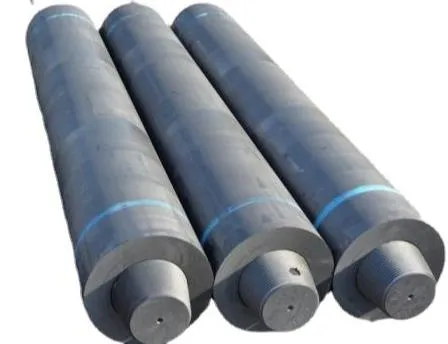
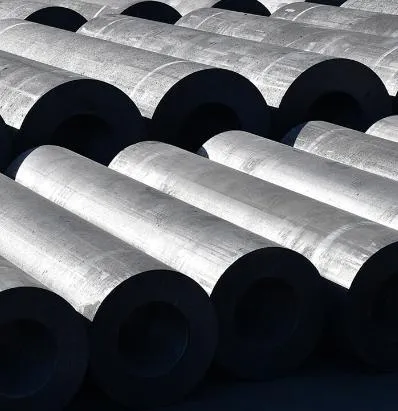
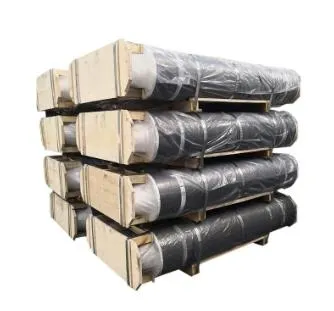
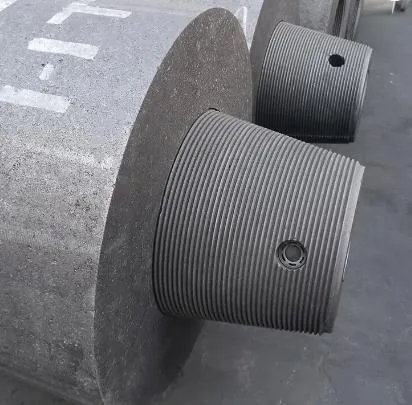
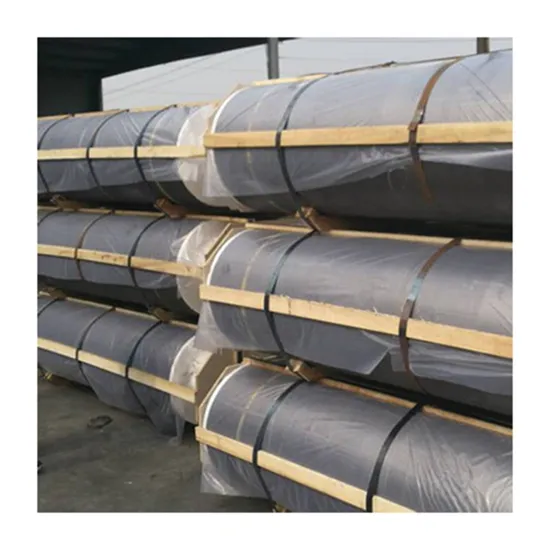
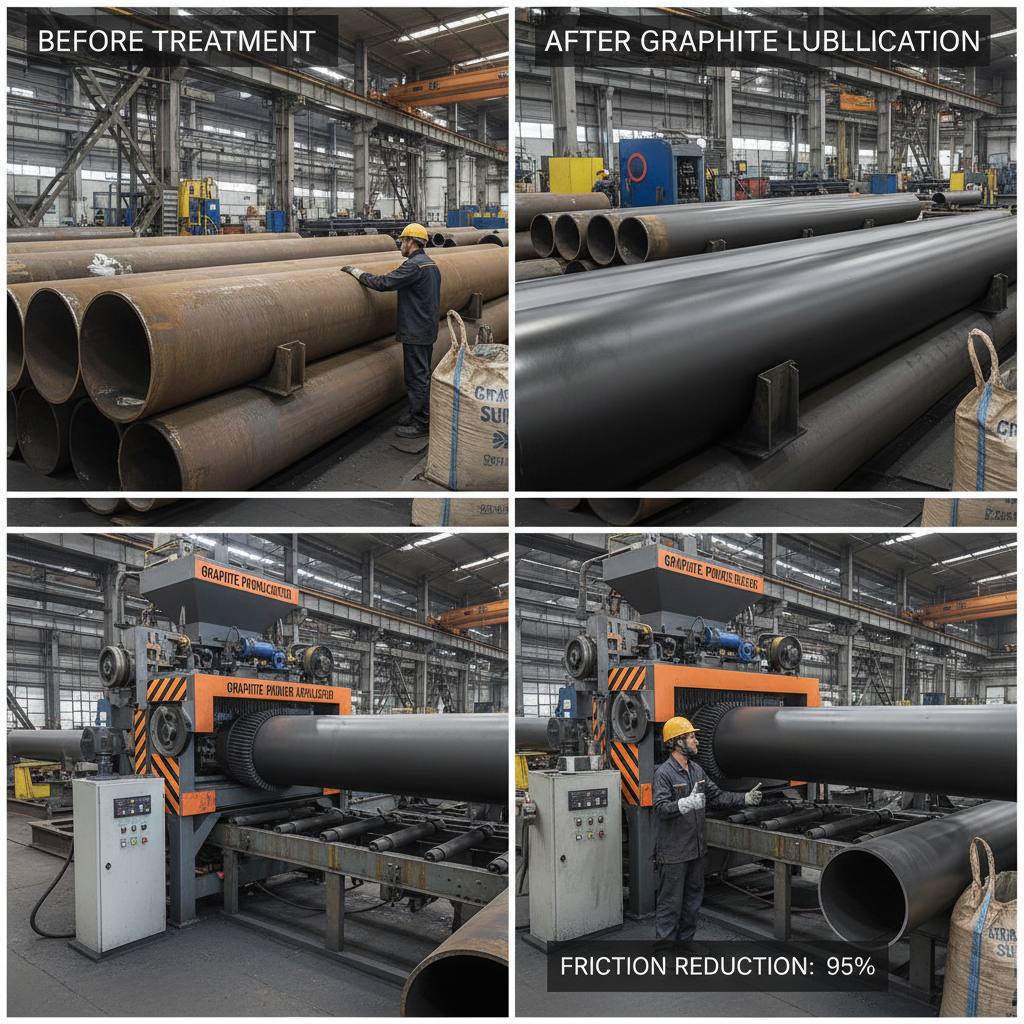
The graphite tube has become an indispensable component in industries requiring high thermal resistance, durability, and precision.From aerospace to semiconductor manufacturing, carbon graphite tubes offer unparalleled performance under extreme conditions. This article explores the advancements in graphite tube production, the critical role of a graphite tube factory, and how selecting a reputable graphite tube manufacturer ensures quality and reliability.
The Role of Graphite Tubes in Modern Industry
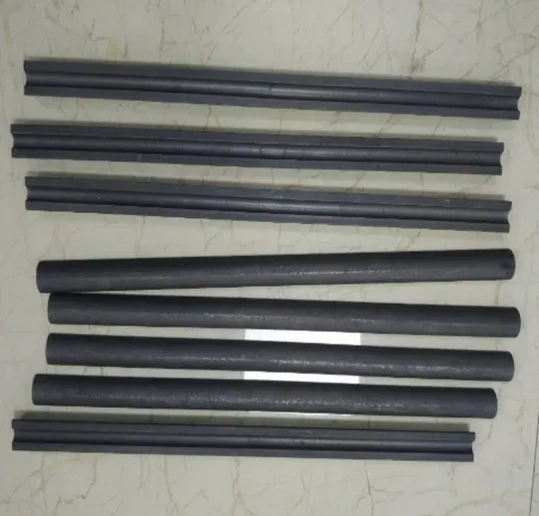
Graphite tubes are widely recognized for their exceptional thermal conductivity and resistance to corrosion. These properties make them ideal for applications such as high-temperature furnaces, chemical processing, and solar energy systems. Unlike traditional materials, carbon graphite tubes maintain structural integrity even when exposed to temperatures exceeding 3,000°C. Their lightweight nature and electrical conductivity further expand their utility in cutting-edge technologies like electric vehicle battery systems.
A key advantage of graphite tubes lies in their versatility. For instance, in the semiconductor industry, they are used as crucibles for growing single-crystal silicon. Meanwhile, in metallurgy, carbon graphite tubes serve as heating elements due to their ability to withstand rapid thermal cycling without degradation.
Advantages of Carbon Graphite Tubes in High-Temperature Applications
Carbon graphite tubes outperform many alternatives in extreme environments. Their unique composition—a blend of graphite and carbon fibers—enhances mechanical strength while retaining thermal stability. This makes them indispensable in aerospace propulsion systems, where components must endure intense heat and pressure.
Another critical benefit is their chemical inertness. Carbon graphite tubes resist oxidation and corrosive gases, ensuring longevity in harsh industrial settings. For example, in glass manufacturing, these tubes are used to transport molten glass without contamination. Additionally, their low thermal expansion coefficient minimizes warping, a crucial factor for precision instruments.
Inside a Graphite Tube Factory Production Processes Revealed
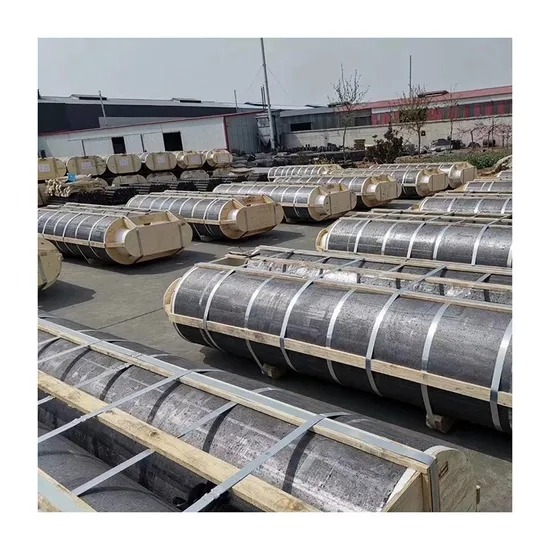
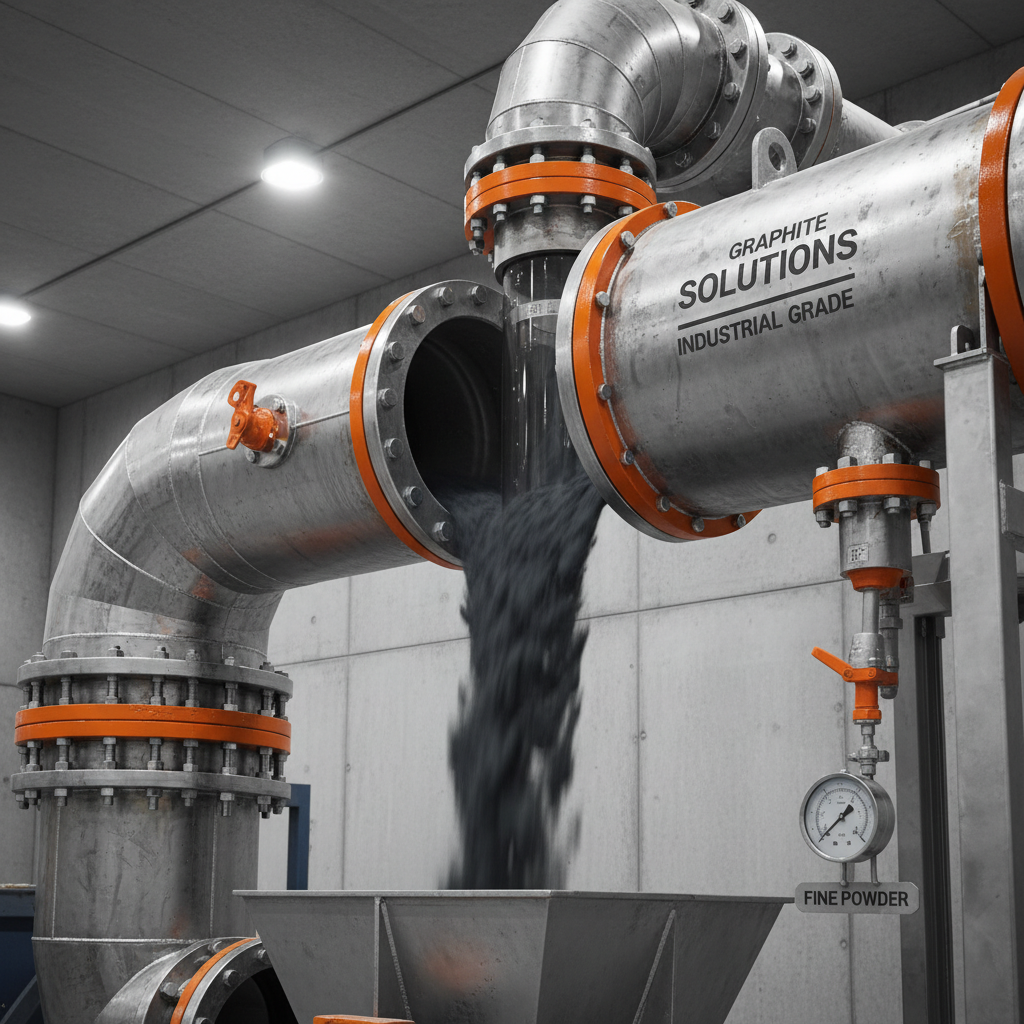
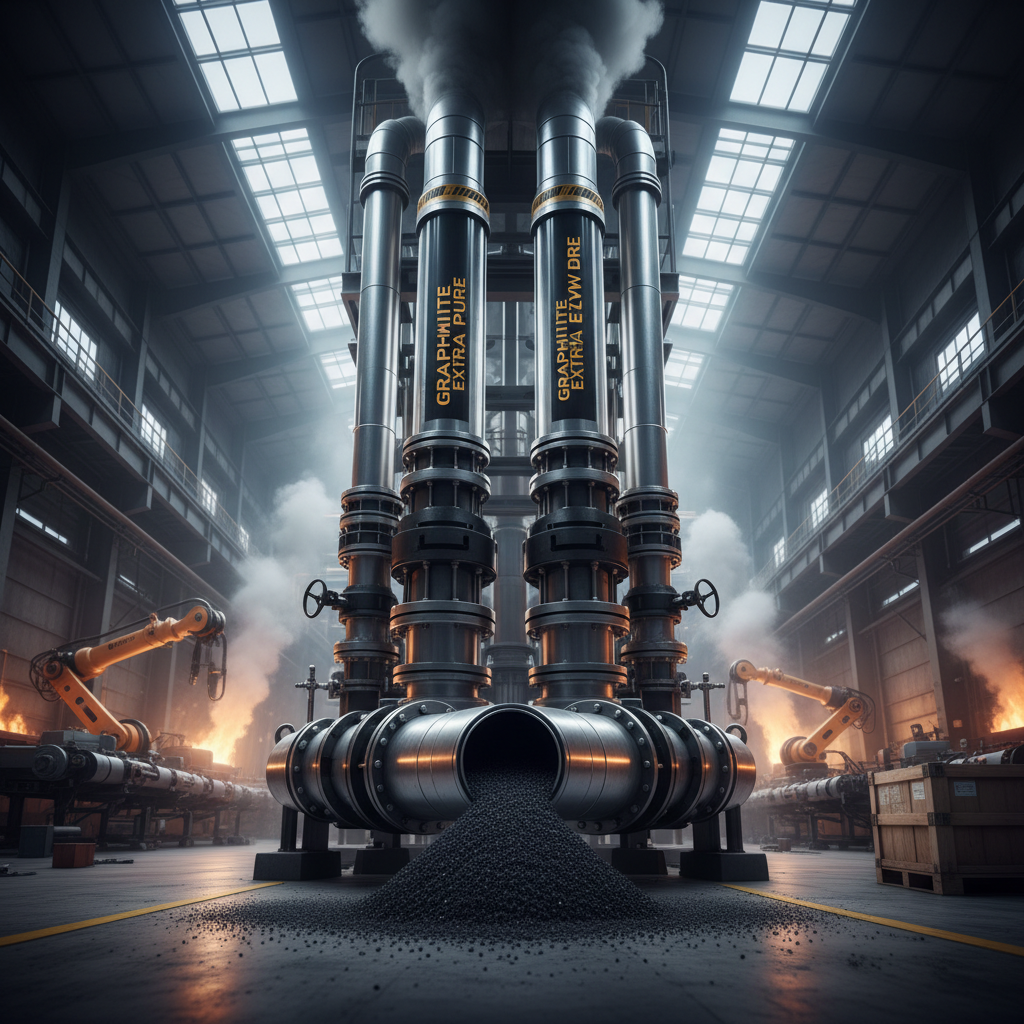
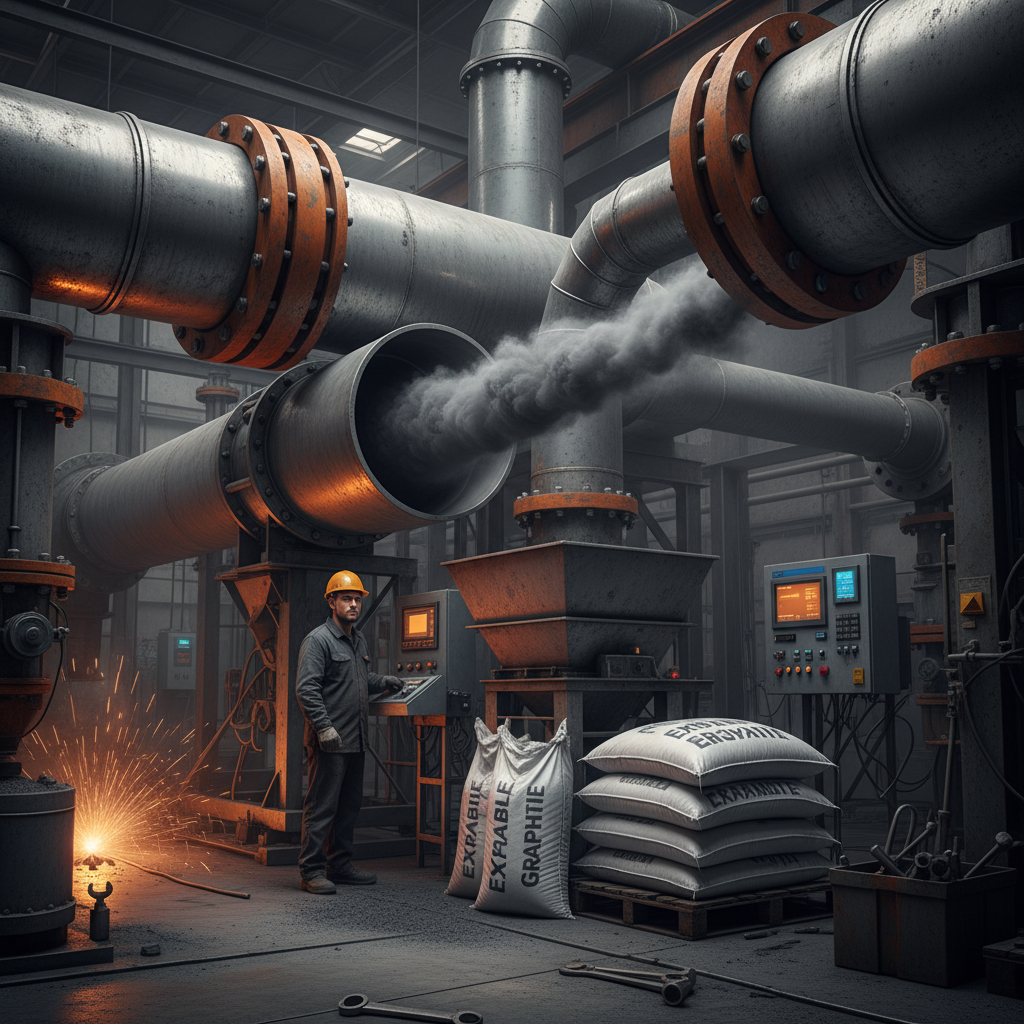
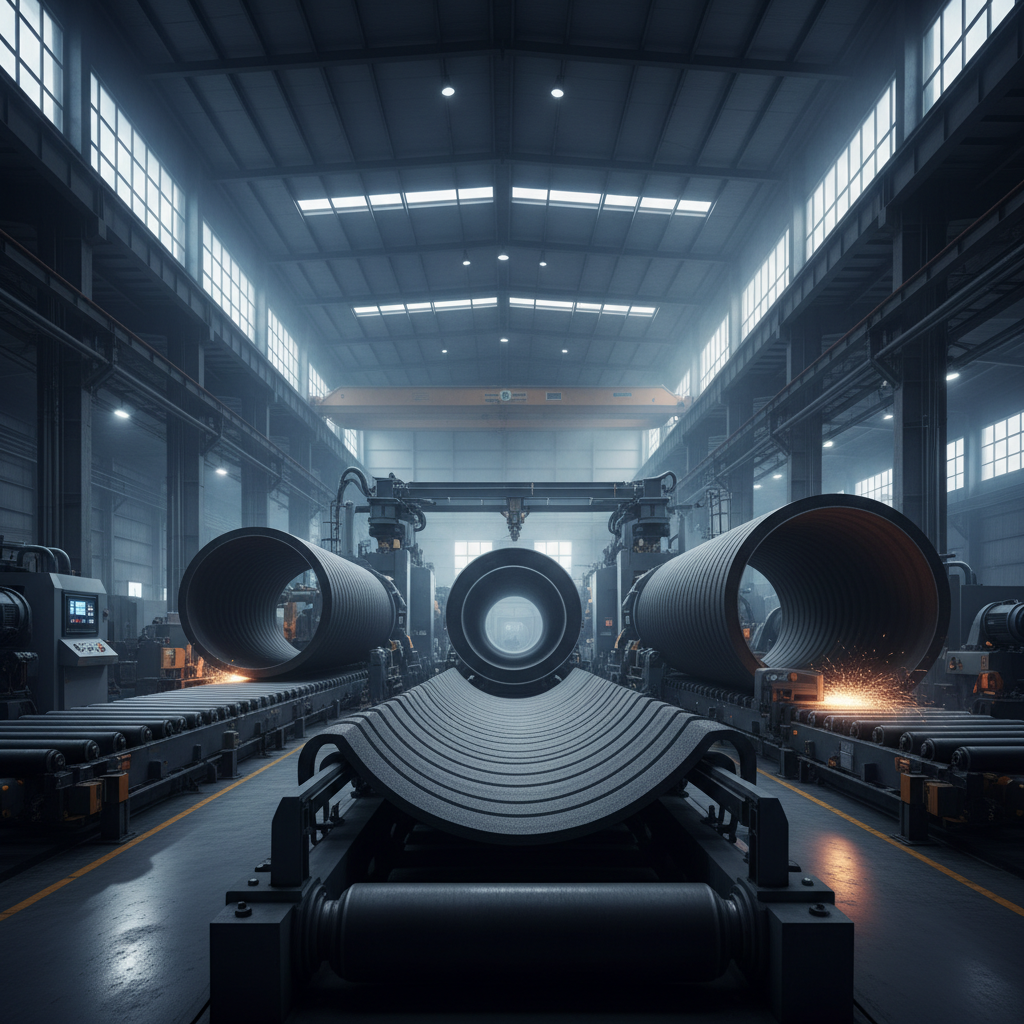
A graphite tube factory employs advanced techniques to produce high-performance components. The process begins with raw graphite powder, which is mixed with a binder and molded into cylindrical shapes. This mixture is then subjected to high-temperature sintering, transforming it into a dense, durable structure.
Quality control is paramount in a graphite tube factory. Each batch undergoes rigorous testing for porosity, density, and thermal conductivity. Modern factories utilize automated systems to ensure consistency, reducing human error. Innovations like isostatic pressing further enhance the uniformity of carbon graphite tubes, meeting the stringent demands of industries like nuclear energy and defense.
Choosing a Reliable Graphite Tube Manufacturer for Quality Assurance
Selecting a trustworthy graphite tube manufacturer is critical for obtaining components that meet industry standards. Reputable manufacturers prioritize material purity, ensuring that graphite tubes are free from impurities that could compromise performance. Customization is another hallmark of a leading graphite tube manufacturer.
Graphite Tubes FAQs
What are the primary applications of a graphite tube?
Graphite tubes are used in high-temperature environments like furnaces, chemical reactors, and aerospace systems. Their thermal stability and conductivity make them ideal for heat exchangers, semiconductor manufacturing, and solar panel production.
How does a carbon graphite tube differ from standard graphite tubes?
A carbon graphite tube incorporates carbon fibers, enhancing its mechanical strength and thermal shock resistance. This makes it suitable for extreme applications like rocket nozzles and nuclear reactors, where standard graphite tubes might fail.
What should I look for in a graphite tube factory?
A reputable graphite tube factory should have certifications, advanced sintering technology, and stringent quality control processes. Facilities offering custom machining and coatings are preferable for specialized needs.
Why is temperature resistance crucial for a graphite tube manufacturer?
Temperature resistance ensures graphite tubes perform reliably in extreme conditions. Optimizes material composition and sintering techniques to achieve this property.
How do sustainability practices impact graphite tube production?
Sustainable sourcing of raw materials and energy-efficient sintering processes reduce the environmental footprint of graphite tube manufacturing. Leading factories recycle waste graphite to minimize resource consumption.
The graphite tube is a cornerstone of modern industrial innovation, with carbon graphite tubes offering unmatched performance in extreme environments. From the precision-driven processes inside a graphite tube factory to the expertise of a reliable graphite tube manufacturer, quality and customization remain paramount. As industries evolve, advancements in material science and sustainable practices will continue to elevate the role of graphite tubes in shaping tomorrow’s technologies.
Carbon graphite tubes, enhanced with carbon fibers, provide superior mechanical strength and thermal shock resistance, making them indispensable in aerospace, semiconductor manufacturing, and energy systems. The production process within a graphite tube factory relies on advanced sintering techniques and rigorous quality control to ensure precision and consistency. Choosing a reputable graphite tube manufacturer guarantees adherence to industry standards, material purity, and customization for specialized applications. As industries evolve, advancements in manufacturing technologies and sustainable practices will further solidify the role of graphite tubes in driving efficiency and innovation across global sectors.
 Pervious
 Next
Next