

- Englist



Graphite Rods: Types, Applications and Benefits

Graphite rods are one of the most versatile materials used across various industries due to their excellent thermal stability, electrical conductivity, and corrosion resistance. Whether used in metallurgical processes, chemical industries, or laboratory equipment, graphite rods have proven to be reliable and cost-effective solutions for high-temperature and high-stress environments. This article explores the different types of graphite rods, their applications, and the benefits that make them indispensable in modern manufacturing.
1. What Are Graphite Rods?
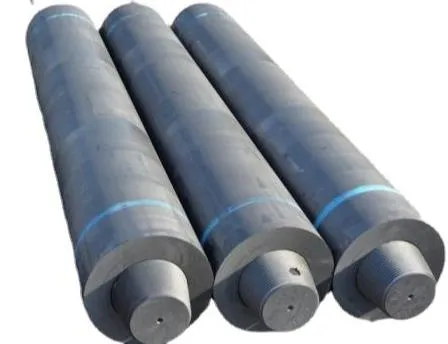
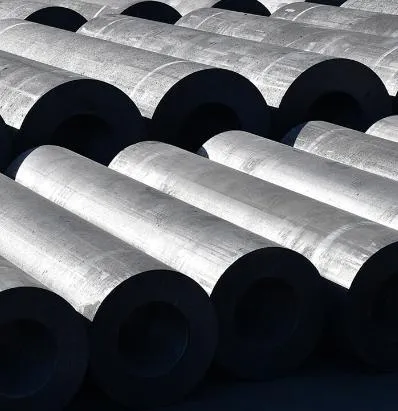
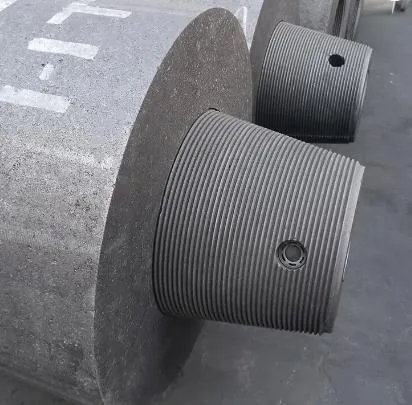
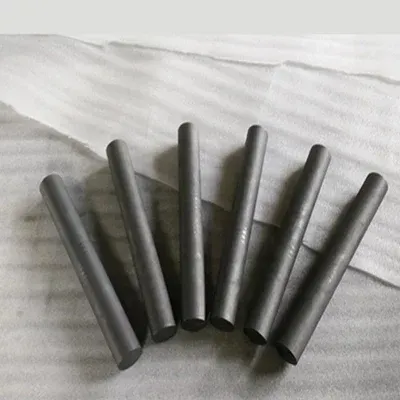
A graphite rod is a solid cylindrical product made primarily from high-purity carbon. It is produced through the process of mixing natural or synthetic graphite powder with a binder such as coal tar pitch, followed by extrusion, baking, and graphitization at very high temperatures. This manufacturing process gives graphite rods their unique combination of strength, machinability, and resistance to thermal shock.
Graphite rods are available in several grades depending on their intended use. High-density graphite rods are commonly used in heavy industrial applications, while fine-grain and isostatic graphite rods are preferred for precision machining and high-performance environments. Due to their excellent chemical inertness, graphite rods also perform well in corrosive media and extreme temperatures.
2. Types of Graphite Rods
Different applications require graphite rods with specific characteristics. Here are the main types commonly used in industries today:
a. Extruded Graphite Rod
This type of graphite rod is produced by extruding a graphite paste through a die to form a cylindrical shape. Extruded graphite rods have an anisotropic grain structure, which means their strength and conductivity vary in different directions. They are commonly used for electrodes, furnace components, and chemical processing equipment.
b. Isostatic Graphite Rod
Isostatic graphite is manufactured through a cold isostatic pressing process, resulting in a fine and uniform grain structure. Isostatic graphite rods exhibit superior mechanical strength, high purity, and excellent electrical conductivity. These rods are widely used in semiconductor manufacturing, EDM (Electrical Discharge Machining), and precision casting molds.
c. Molded Graphite Rod
Molded graphite rods are produced by pressing graphite powder into molds and then baking it at high temperatures. They provide high mechanical strength and are suitable for electrochemical applications, furnace parts, and graphite crucibles. Molded graphite rods are also known for their dimensional stability and low porosity.
d. High Purity Graphite Rod
High purity graphite rods are made from ultra-fine synthetic graphite powders and are processed under strictly controlled conditions. These rods have low ash content, excellent chemical resistance, and high thermal conductivity. They are ideal for nuclear reactors, laboratory instruments, and pharmaceutical machinery where contamination must be minimized.
e. Carbon Graphite Rod
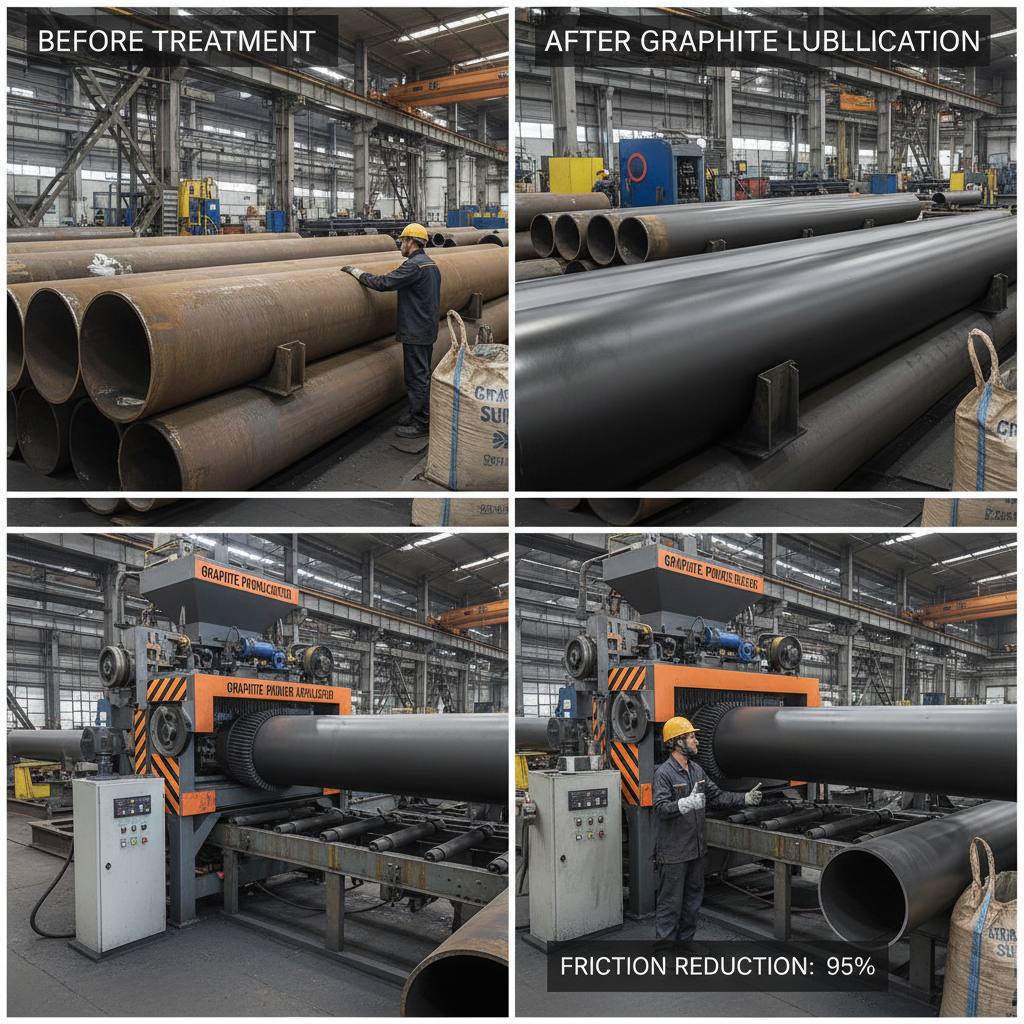
Carbon graphite rods combine graphite and carbon properties to achieve outstanding wear resistance and self-lubricating characteristics. These rods are typically used in mechanical seals, bearings, and bushings, where they reduce friction and extend equipment lifespan.
3. Manufacturing Process of Graphite Rods
The graphite rod manufacturing process involves several precise steps to ensure consistency and durability:
- Raw Material Selection: High-quality graphite powders and binding agents are chosen based on the desired properties of the final product.
- Mixing and Forming: The raw materials are blended and extruded, molded, or pressed into cylindrical shapes.
- Baking: The formed rods are baked at around 1000°C to carbonize the binder, resulting in a dense carbon rod.
- Graphitization: The baked rods are further heated to temperatures above 2500°C in a controlled environment to transform carbon into crystalline graphite.
- Machining and Finishing: The rods are machined to precise dimensions, polished, and inspected to meet strict quality control standards.
This process ensures each graphite rod delivers high thermal stability, electrical conductivity, and mechanical integrity.
4. Key Applications of Graphite Rods
Graphite rods are used in numerous fields, each leveraging their unique physical and chemical properties. Below are the most common graphite rod applications across different industries:
a. Metallurgical Industry
In metallurgy, graphite rods serve as heating elements, electrodes, and stirring tools in furnaces and foundries. Their ability to withstand high temperatures without melting or deforming makes them ideal for continuous operations.
b. Chemical Industry
Graphite rods are widely used as electrodes in electrolysis processes for producing chlorine, caustic soda, and other chemicals. Their resistance to acid and alkali corrosion ensures long service life and low maintenance costs.
c. Electrical and Electronics Industry
Due to their superior electrical conductivity, graphite rods are essential in arc lamps, batteries, and electrical discharge machining (EDM) tools. They help maintain stable current flow and perform efficiently even under high heat.
d. Laboratory and Research Equipment
In laboratories, high purity graphite rods are used for stirring molten metals, crucibles, and electrical conductors. They are also ideal for research in material science due to their purity and predictable behavior under controlled conditions.
e. Mechanical Engineering
Carbon graphite rods are used in the production of self-lubricating bearings, mechanical seals, and pumps. Their natural lubricity minimizes wear, prevents frictional heat buildup, and increases operational efficiency.
f. Energy and Nuclear Fields
In the nuclear industry, high purity graphite rods are used as moderators and reflectors because they can slow down neutrons efficiently without absorbing them. This makes graphite an essential material for nuclear reactors and energy research.
5. Benefits of Using Graphite Rods
The growing demand for graphite rods is due to their numerous advantages, which include:
High Temperature Resistance
Graphite rods maintain structural integrity even at extremely high temperatures, often exceeding 3000°C in inert atmospheres. This makes them ideal for furnaces and high-temperature industrial environments.
Excellent Electrical Conductivity
Graphite is a good conductor of electricity, allowing graphite rods to be used in electrical discharge machining, battery manufacturing, and electrodes for electrolysis.
Superior Chemical Stability
Graphite rods exhibit strong resistance to acids, alkalis, and organic solvents. They maintain consistent performance even in aggressive chemical environments.
Easy Machinability
Unlike metals and ceramics, graphite rods can be easily machined into different shapes and dimensions without losing mechanical strength. This flexibility allows for customization based on industrial requirements.
Low Thermal Expansion
Graphite’s low coefficient of thermal expansion minimizes cracking or warping during heating and cooling cycles, providing dimensional stability and precision.
Cost-Effective and Long Lifespan
Because graphite rods combine durability with low maintenance requirements, they offer excellent cost efficiency over time, making them a preferred material for long-term use.
6. Why Choose Shijiazhuang Nalai Biotechnology Co., Ltd
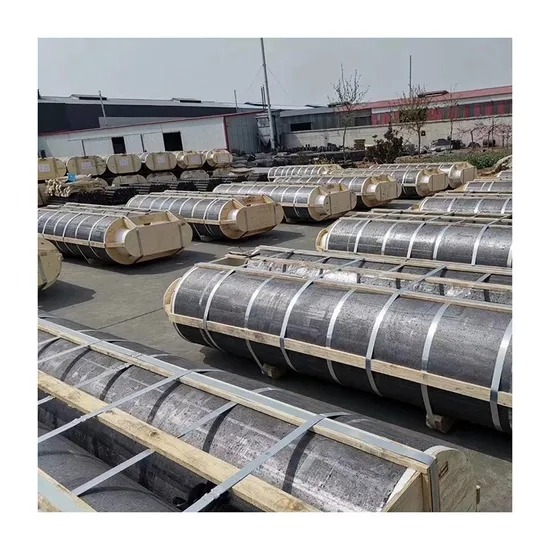
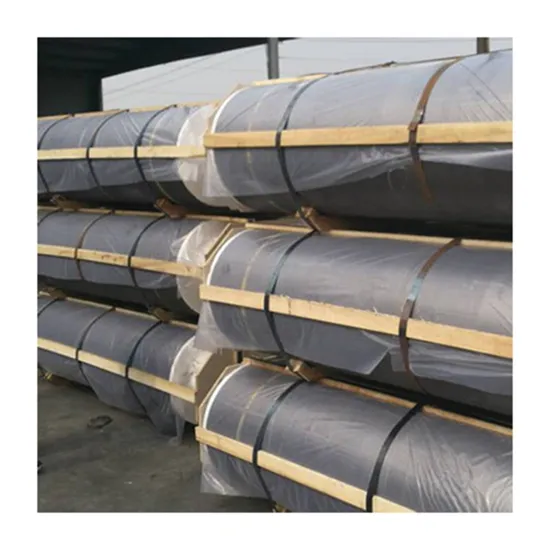
Shijiazhuang Nalai Biotechnology Co., Ltd is a professional graphite rod manufacturer integrating design, development, trial, and production. With 30 experienced technicians and 360 skilled workers, our company ensures that every product meets international standards. We specialize in graphite electrodes, graphite rods, graphite blocks, and graphite crucibles, providing customized solutions to meet various industrial needs.
We are committed to the principle of “quality first, service first, and continuous improvement.” Our graphite products are known for their competitive prices, high quality, and fast delivery. We have established long-term partnerships with clients in more than 20 countries, including Europe, North America, South America, the Middle East, and Southeast Asia.
By combining advanced production technology with strict quality control, we guarantee that every graphite rod we produce delivers reliable performance and durability for your industrial applications.
Graphite rods play an essential role in modern industry due to their exceptional physical and chemical properties. From high-temperature furnaces to precision electronic components, these materials are key to ensuring efficiency and reliability in demanding environments. Whether you need high purity graphite rods, carbon graphite rods, or custom-made graphite components, Shijiazhuang Nalai Biotechnology Co., Ltd provides the expertise, quality, and service you can trust.
Investing in graphite rods from a reputable manufacturer ensures consistent performance, long lifespan, and greater value for your operations—making graphite an intelligent choice for the industries of today and tomorrow.
 Pervious
 Next
Next