

- Englist



Pure Graphite Rod: Essential Properties, Applications, and Future Trends

Understanding the Pure Graphite Rod: A Key Industrial Component
Pure graphite rods might sound like niche technical items, but they play an outsized role in many modern industries worldwide. From electric arc furnaces to battery electrodes, these rods underpin processes both high-tech and essential. Getting to know pure graphite rods means unlocking a better grasp on a material that contributes heavily both to industrial efficiency and sustainability efforts. Frankly, understanding their benefits helps engineers, procurement specialists, or curious minds appreciate why they remain relevant in a rapidly evolving global economy.
Introduction: Global and Industry Context
The global graphite market is growing steadily, with the pure graphite rod sector specifically expanding as industries seek advanced materials for demanding applications. According to Wikipedia and market research reports, the increasing demand for electric vehicles and renewable energy storage systems continuously fuels this rise. Roughly 20,000 metric tons of synthetic graphite rods are consumed annually in North America and Asia alone—used as electrodes, heat conductors, and more.
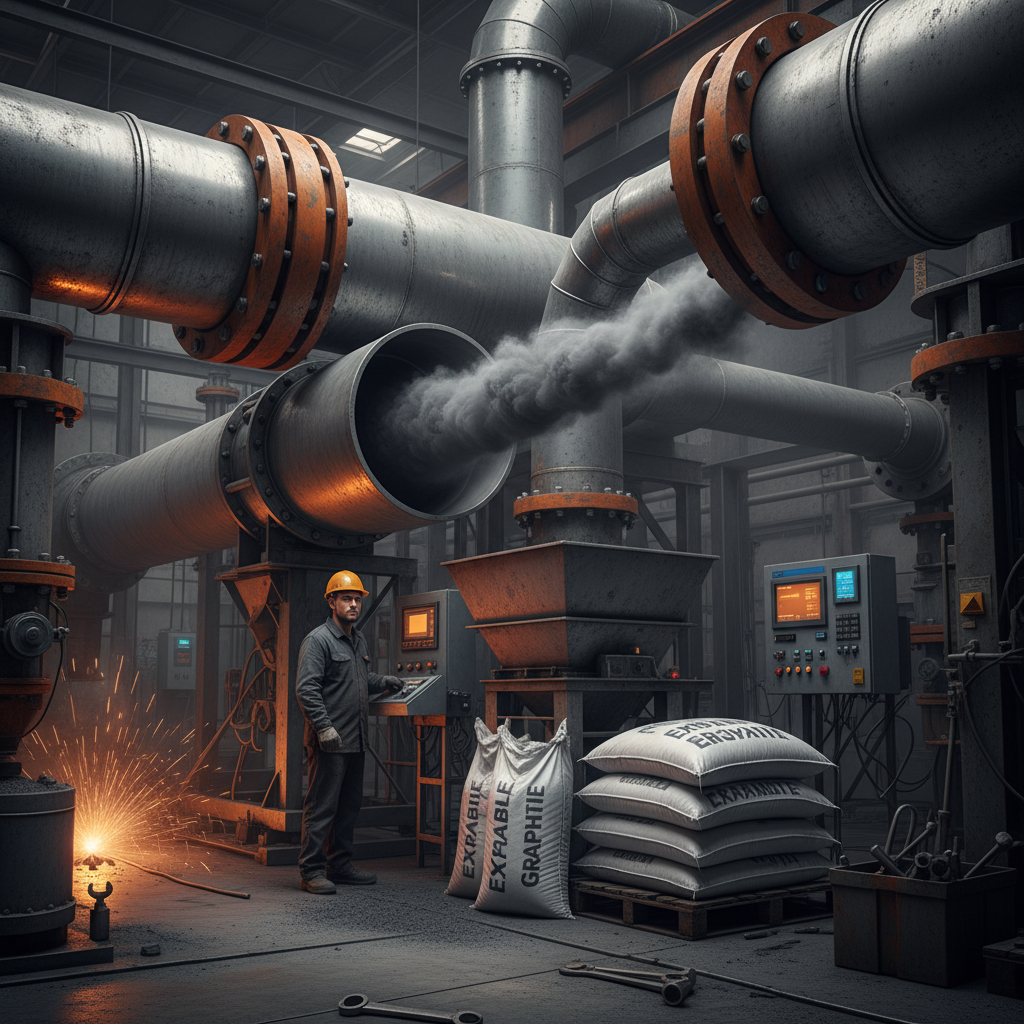
One pressing problem these rods address is thermal and chemical stability in harsh environments. Conventional metals corrode or lose integrity; graphite's unique properties help overcome this challenge. This feature makes pure graphite rods indispensable in steel production, battery manufacturing, and chemical processing, thus impacting everything from infrastructure to clean energy targets.
What is a Pure Graphite Rod?
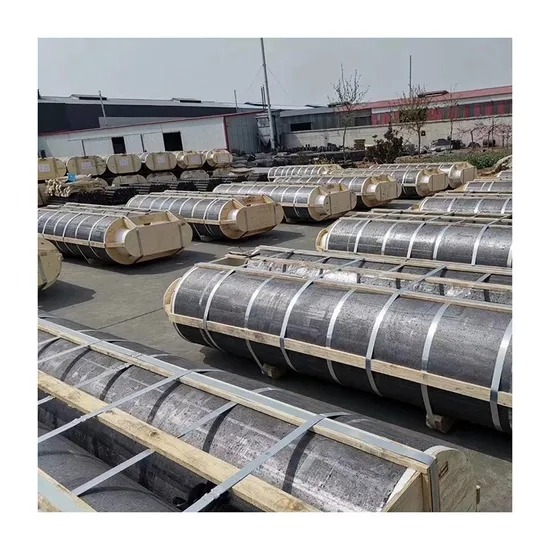
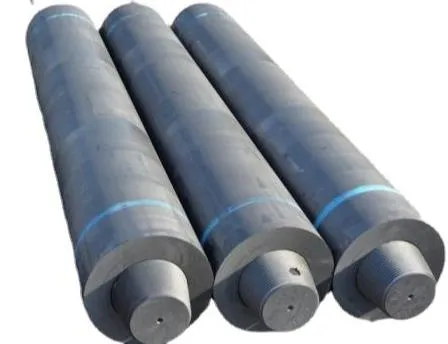
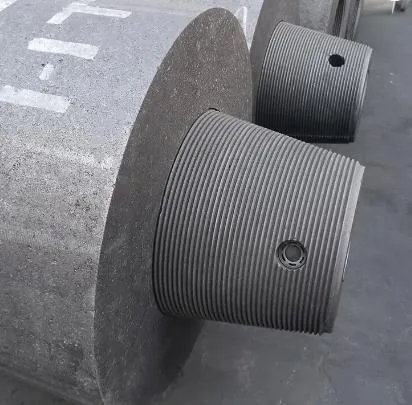
Put simply, a pure graphite rod is a cylindrical piece made almost entirely of high-purity graphite. Its defining traits are high thermal conductivity, chemical inertness, and exceptional resistance to heat and corrosion. Manufacturers produce these rods by compressing and baking carbon materials under careful conditions to eliminate impurities—hence the “pure” label. This intimate connection to carbon’s allotropes makes them vital in industries requiring robust, conductive, yet chemically resilient components.
Pure graphite rods form the backbone of conductive parts in batteries, electrodes in electric arc furnaces for steelmaking, and components in nuclear reactors. These rods’ reliability directly supports humanitarian needs like providing sustainable energy access and clean industrial processing—a subtle but critical role often overshadowed.
Key Characteristics of Pure Graphite Rods
Durability
Pure graphite rods withstand temperatures exceeding 3000°C without melting, thanks to graphite's sublimation rather than melting under normal atmospheric pressure. This makes them perfect for extreme temperature uses in metallurgy and aerospace.
Electrical Conductivity
Graphite's layered atomic structure facilitates electron mobility, making pure graphite rods excellent conductors. This is essential for electrodes in batteries, arc lamps, and fuel cells.
Chemical Resistance
Unlike metals, pure graphite rods resist oxidation and chemical corrosion even in acidic or alkaline environments, guaranteeing longevity in corrosive processes.
Lightweight and Machinable
Compared to alternatives like copper or steel, graphite rods are lighter and easier to machine into complex shapes — which reduces manufacturing costs and improves application flexibility.
| Specification | Typical Value |
|---|---|
| Purity | ≥99.5% |
| Density | 1.75 - 1.85 g/cm³ |
| Electrical Resistivity | ~6 µΩ·m |
| Operating Temp. Range | Up to 3000°C (inert atmosphere) |
| Thermal Conductivity | 80 - 200 W/m·K |
Mini takeaway: Pure graphite rods bring a rare blend of heat tolerance, electrical prowess, and chemical resistance — making them essential in tough industrial scenarios.
Global Applications and Use Cases
The demand for pure graphite rods spans continents and sectors. In East Asia, steel manufacturers rely on graphite electrodes for electric arc furnaces because they can withstand extreme operating conditions while maintaining conductivity. Meanwhile, the battery industry in Europe and North America uses these rods as key elements inside lithium-ion batteries and fuel cells, supporting a green energy future. Oddly enough, NGOs working on renewable energy projects in remote areas also turn to these rods when constructing reliable, off-grid solar storage systems, because their chemical stability ensures long-term operation in harsh climates.
In post-disaster relief operations, for example, pure graphite rods facilitate the rapid setup of battery banks that power medical equipment and communication devices. In remote industrial zones, they help maintain chemical reactors that turn raw materials into valuable products without downtime caused by corrosion or heat damage.
Worldwide Vendor Comparison
| Vendor | Purity (%) | Customization | Delivery Time | Price (per kg) |
|---|---|---|---|---|
| NL Graphite | ≥99.5 | Full custom sizes/shapes | 2-3 weeks | $$$ |
| GraphTech Global | 99.0 | Standard sizes only | 1-2 weeks | $$ |
| CarbonWorks | ≥99.2 | Limited customization | 3-4 weeks | $$$ |
Mini takeaway: Choosing a supplier matters — factors like purity, customization options, and delivery ensure your project succeeds without costly delays or compromises.
Advantages and Long-Term Value of Pure Graphite Rods
- Cost Efficiency: Though the upfront cost is higher than some materials, their longevity and resistance reduce replacement and maintenance expenses.
- Sustainability: Graphite rods are recyclable and support green energy initiatives, aligning with global sustainability standards like ISO 14001.
- Reliability: Consistent performance under extreme conditions builds trust—industry engineers often report fewer failures and downtime.
- Social Impact: By enabling cleaner energy and safer industrial processes, pure graphite rods contribute positively to societal well-being.
Looking Ahead: Future Trends and Innovations
Unsurprisingly, innovation never sleeps. The push for greener energy drives advances in graphite rod manufacturing — for example, embedding nanomaterials to increase conductivity or resistance even further. Digital transformation automates quality control, ensuring every rod meets stringent specifications consistently. Meanwhile, policies promoting circular economies encourage companies to recycle graphite efficiently, reducing mining footprint. I suppose, these trends hint at a future where graphite rods are smarter, greener, and integrated more deeply into Industry 4.0.
Current Challenges and Expert Solutions
Challenges persist, though. Producing truly impurity-free rods is tricky because tiny contaminants can degrade performance. Plus, machining graphite demands precision to prevent micro-cracks. However, expert suppliers use enhanced purification techniques and computer-controlled machining to minimize these issues. Oddly enough, collaborative research projects also explore synthetic alternatives that might someday rival pure graphite rods, but for now, they remain the industry standard.
FAQ: Frequently Asked Questions About Pure Graphite Rods
- What industries benefit the most from pure graphite rods?
- Steel production, battery manufacturing, chemical processing, and electronics are primary users due to the need for heat resistance and conductivity.
- How long does a pure graphite rod last in industrial applications?
- With proper handling, they can last several years, often outliving metal equivalents thanks to corrosion resistance and structural stability.
- Can pure graphite rods be customized in size and shape?
- Yes, many vendors offer tailored machining options to meet specific project requirements, which helps optimize performance.
- Are pure graphite rods environmentally friendly?
- They support sustainability goals by enabling cleaner energy tech and are recyclable, though mining raw materials must be managed responsibly.
- How can international buyers import pure graphite rods?
- Working with reputable suppliers who understand export regulations and provide necessary certifications smooths customs clearance and quality assurance.
Conclusion – Why Pure Graphite Rods Matter
In the grand scheme, pure graphite rods might feel like humble workhorses, but they quietly enable some of the most critical technologies shaping our world—from green energy batteries to resilient industrial processes. Their blend of durability, performance, and sustainability ensures they’ll stay relevant for decades. To dive deeper or explore purchasing options, feel free to visit pure graphite rod specialists who can tailor solutions to your unique needs.
In short, understanding pure graphite rods means appreciating a small but mighty component vital to the infrastructure of modern industry and sustainability efforts alike.
References:
 Pervious
 Next
Next