

- Englist



Petroleum Coke vs Coal

In the global energy and carbon materials market, petroleum coke (pet coke) and coal are two of the most widely used carbon-based fuels. Both play crucial roles in metallurgy, cement, and power generation, yet they differ significantly in origin, structure, and performance. Understanding the differences between petroleum coke vs coal is essential for industries seeking efficient, cost-effective, and environmentally responsible energy solutions.
1. What Is Petroleum Coke?
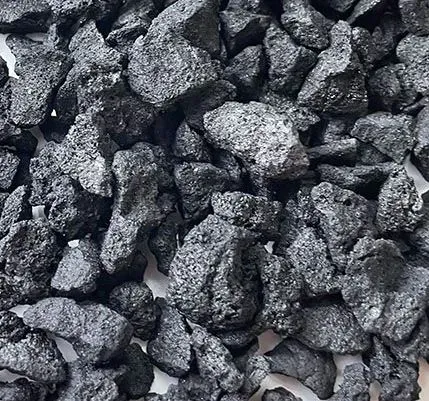
Petroleum coke, often called pet coke, is a carbon-rich solid material derived from oil refinery coker units or other cracking processes. It is a byproduct of petroleum refining, created when heavy oil fractions are heated to extremely high temperatures to extract lighter hydrocarbons such as gasoline or diesel.
The result is a solid black substance with a high carbon content and very low ash levels. Depending on the refining process, pet coke can be classified into several types:
-
Fuel-grade petroleum coke, used mainly in power plants and cement kilns.
-
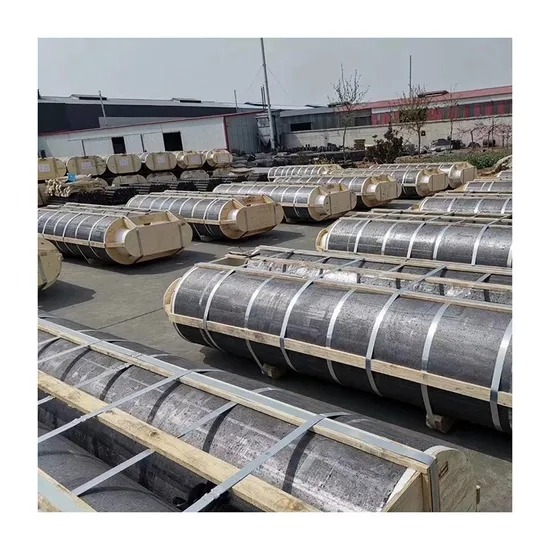
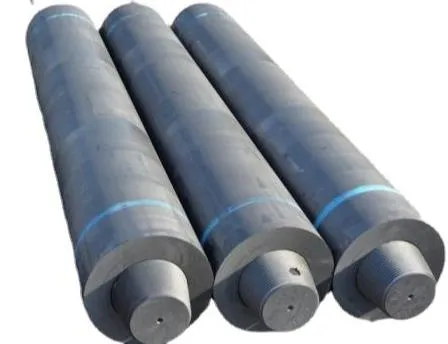
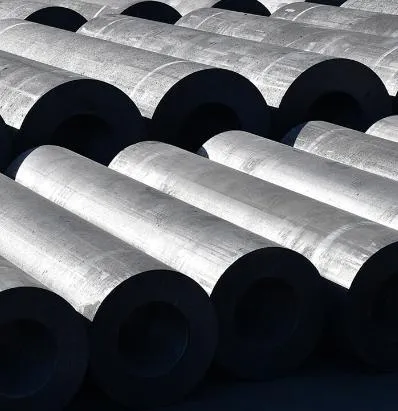
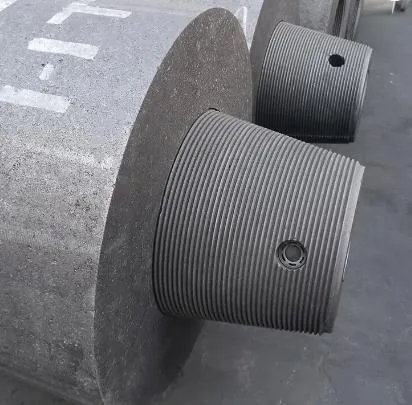
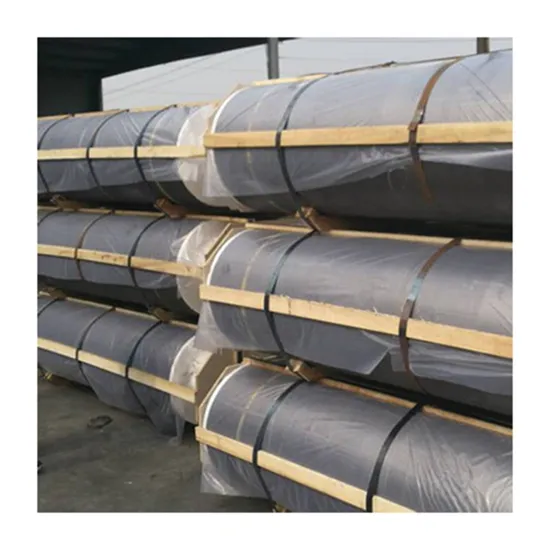
Calcined petroleum coke, used in the production of graphite electrodes, anodes for aluminum smelting, and steelmaking.
Pet coke’s high calorific value, low moisture, and consistent composition make it a preferred industrial fuel and carbon additive.
2. What Is Coal?
Coal is a naturally occurring fossil fuel formed over millions of years from the decomposition of plant material under heat and pressure. It is extracted through mining and categorized into four main types based on carbon content and heating value: lignite, sub-bituminous, bituminous, and anthracite.
Coal contains a mix of carbon, hydrogen, sulfur, nitrogen, and oxygen. Although it has powered the industrial revolution and remains a major global energy source, coal’s higher ash and sulfur content lead to more emissions during combustion compared to petroleum coke.
3. Petroleum Coke vs Coal: Chemical Composition and Energy Value
| Property | Petroleum Coke | Coal |
|---|---|---|
| Carbon Content | 85–97% | 60–90% |
| Sulfur Content | 0.5–7% (varies by source) | 0.5–5% |
| Volatile Matter | Low | Medium to High |
| Ash Content | < 1% | 5–40% |
| Heating Value | 7,500–9,000 kcal/kg | 5,000–7,000 kcal/kg |
The table clearly shows why petroleum coke often outperforms coal in terms of energy efficiency and carbon purity. Pet coke’s low ash content reduces slag formation and maintenance costs in industrial furnaces, while its higher heating value makes it a more energy-dense option.
4. Applications of Petroleum Coke vs Coal
Both materials have overlapping uses, but their specific characteristics make them suitable for different industrial sectors.
🔹 Common Uses of Petroleum Coke:
-
Metallurgy: Calcined pet coke is used to produce graphite electrodes and carbon anodes for steel and aluminum industries.
-
Cement Industry: Fuel-grade pet coke provides stable high-temperature combustion.
-
Power Generation: As an alternative to coal, pet coke is used in fluidized bed combustion systems.
-
Chemical Industry: Used as a raw material in the production of carbon black and synthetic graphite.
🔹 Common Uses of Coal:
-
Electricity Generation: Still one of the most common fuels for thermal power plants.
-
Cement and Brick Kilns: Bituminous coal is often used as a combustion source.
-
Coke Production: Metallurgical coal is converted into coke for blast furnaces in steelmaking.
In short, while coal remains abundant and accessible, petroleum coke provides better combustion efficiency and lower production residue, making it a strong alternative in modern heavy industries.
5. Environmental Impact: Which Is Cleaner?
One of the most debated aspects of petroleum coke vs coal is their environmental impact.
- Petroleum Coke: Although it has higher carbon content, it generally produces less ash and lower nitrogen oxide (NOₓ) emissions compared to coal. However, depending on its sulfur content, pet coke combustion can emit significant amounts of sulfur dioxide (SO₂) if not treated with desulfurization technologies.
- Coal: Coal combustion releases more ash, particulate matter, and greenhouse gases. The environmental footprint of coal is also higher due to methane emissions from mining activities.
Modern industries are increasingly using desulfurization and dust collection systems to make both fuels cleaner. Yet, when used with proper emission controls, petroleum coke tends to offer a cleaner and more stable performance than traditional coal.
6. Cost Efficiency and Industrial Preference
In terms of economics, petroleum coke is generally cheaper than coal on an energy-equivalent basis. Its higher calorific value means that less fuel is required to produce the same amount of energy. Moreover, industries that require high carbon purity, such as aluminum and steel plants, prefer calcined petroleum coke over coal because it produces superior metallurgical properties and fewer impurities.
Coal, on the other hand, is still favored in countries with abundant reserves or limited access to petroleum products. However, as global industries shift toward higher efficiency and lower emissions, the use of pet coke continues to rise.
7. Shijiazhuang Nalai Biotechnology Co., Ltd: Your Reliable Carbon Material Partner
At Shijiazhuang Nalai Biotechnology Co., Ltd, we are committed to delivering high-quality carbon materials that support modern industries transitioning from coal-based fuels to advanced carbon solutions. As a professional manufacturer integrating design, development, trial, and production, our company specializes in:
With 30 skilled technicians, 360 trained workers, and a strict quality control system, we ensure each product meets international standards for performance, durability, and consistency.
We export to over 20 countries worldwide, including Europe, North America, South America, the Middle East, and Southeast Asia. Our competitive pricing, fast response, and customized solutions make us a trusted partner for clients in the metallurgy, energy, and carbon processing industries.
We adhere to the principles of “quality first, customer first, and continuous improvement.” Our mission is to help global partners improve production efficiency, reduce costs, and move toward cleaner, more sustainable industrial operations.
8. Conclusion: Choosing Between Petroleum Coke and Coal
When comparing petroleum coke vs coal, the choice depends on your industry’s specific needs, emission standards, and fuel availability.
- If your focus is on high energy output, low ash, and consistent quality, petroleum coke is the superior option.
- If you require wide accessibility and lower capital investment, coal remains a viable choice.
However, the global trend is clear: industries are shifting toward pet coke and graphite-based materials for better efficiency and environmental compliance.
At Shijiazhuang Nalai Biotechnology Co., Ltd, we support this transition by supplying reliable carbon materials and graphite products that ensure stable performance and long-term value. We welcome inquiries from partners worldwide and look forward to building a sustainable future together.
 Pervious
 Next
Next