

- Englist



Petroleum Coke and Calcined Petcoke Production

Petroleum coke, a carbon-dense byproduct of oil refining, serves as a cornerstone material for industries worldwide. When thermally processed into calcined petcoke, it transforms into a high-purity, conductive resource critical for energy-intensive applications like aluminum smelting and steel production. The expertise of a petroleum coke manufacturer ensures this material meets stringent quality and environmental benchmarks, optimizing its performance across diverse sectors. This introduction explores the significance of petroleum coke usage, the transformative calcination process, and the pivotal role manufacturers play in bridging industrial demand with sustainable practices.
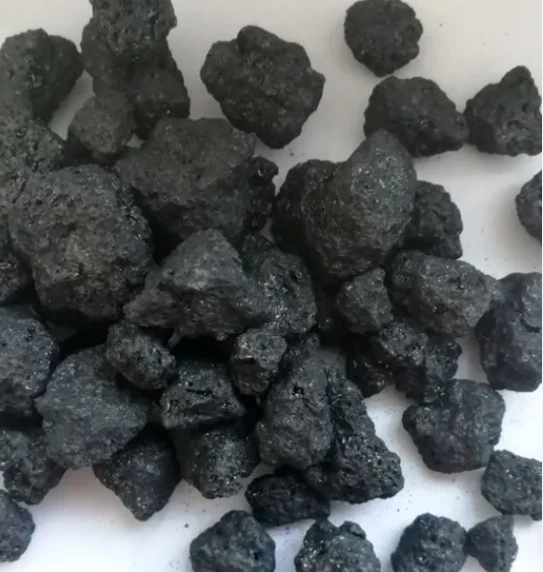
Introduction to Petroleum Coke and Calcined Petcoke
Petroleum coke is a carbon-rich solid derived from oil refinery processes, serving as a critical industrial material. Its calcined counterpart, calcined petcoke, undergoes high-temperature treatment to enhance purity and conductivity, making it indispensable in sectors like metallurgy and energy. The role of a petroleum coke manufacturer extends beyond production to ensuring compliance with environmental and quality standards. This article explores the petroleum coke usage landscape, the transformation into calcined petcoke, and the pivotal contributions of manufacturers in driving industrial efficiency.
Production Process of Petroleum Coke and Calcined Petcoke
The creation of petroleum coke begins in oil refineries, where residual oils from crude oil distillation undergo delayed coking. This thermal cracking process yields raw petroleum coke, a porous carbon material containing hydrocarbons and impurities. To produce calcined petcoke, raw coke is heated to temperatures exceeding 1,200°C in rotary kilns or calciners. This step removes volatile components, increases carbon content, and improves electrical conductivity, making it ideal for aluminum smelting anodes.
A petroleum coke manufacturer must optimize calcination parameters to meet industry-specific requirements. Advanced technologies ensure minimal emissions during production, addressing environmental concerns. The quality of calcined petcoke directly impacts downstream applications, underscoring the manufacturer’s role in maintaining rigorous standards.
Industrial Applications of Petroleum Coke Usage
Petroleum coke usage spans diverse industries due to its high calorific value and carbon purity. In power generation, it fuels cement kilns and coal-fired plants, offering a cost-effective alternative to traditional coal. The steel industry utilizes petroleum coke as a recarburizer to enhance carbon content in molten iron.
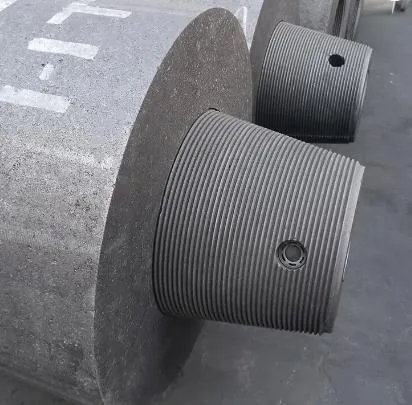
However, calcined petcoke dominates specialized applications. Its low impurity profile makes it essential for producing graphite electrodes and titanium dioxide pigments. The aluminum sector relies heavily on calcined petcoke for anode production, which is critical for electrolytic smelting. A petroleum coke manufacturer tailors product grades to align with these varied demands, ensuring optimal performance across sectors.
Environmental and Economic Impact of Calcined Petcoke
While calcined petcoke offers industrial advantages, its production and petroleum coke usage raise environmental challenges. Emissions from calcination, such as sulfur dioxide and particulate matter, necessitate stringent mitigation strategies. Manufacturers invest in scrubbers and carbon capture systems to align with global sustainability goals.
Economically, petroleum coke provides a low-cost feedstock for energy-intensive industries. Regions with abundant refinery infrastructure leverage petroleum coke usage to reduce operational costs. However, fluctuating oil prices and regulatory shifts impact the stability of calcined petcoke markets, requiring manufacturers to adapt swiftly.
Petroleum Coke FAQS
What distinguishes petroleum coke from calcined petcoke?
Petroleum coke is the raw, unprocessed carbon material from refineries, while calcined petcoke undergoes high-temperature treatment to remove volatiles and enhance conductivity. The latter is preferred for high-performance applications like aluminum production.
How does a petroleum coke manufacturer ensure product quality?
A petroleum coke manufacturer employs advanced refining and calcination techniques, coupled with rigorous testing for sulfur, metals, and carbon content. Quality control protocols ensure compliance with industry specifications.
Which industries depend heavily on petroleum coke usage?
Key sectors include aluminum smelting, steel manufacturing, cement production, and energy generation. Calcined petcoke is particularly vital for anode production in aluminum electrolysis.
What environmental concerns are linked to calcined petcoke production?
Calcined petcoke production releases greenhouse gases and particulate emissions. Manufacturers mitigate this via emission control systems and adopting cleaner calcination technologies.
Can petroleum coke usage be sustainable long-term?
Sustainability depends on reducing emissions during petroleum coke calcination and exploring carbon-neutral applications. Innovations in recycling and carbon capture may enhance its environmental profile.
Petroleum coke and calcined petcoke are cornerstones of industrial processes, offering cost-effective carbon solutions. A petroleum coke manufacturer plays a vital role in refining and optimizing these materials for sectors like metallurgy and energy. While petroleum coke usage drives economic efficiency, balancing its benefits with environmental responsibility remains critical. Advancements in production technology and sustainability practices will shape the future of calcined petcoke applications, ensuring its relevance in a low-carbon economy.
Petroleum coke and calcined petcoke are vital carbon-based materials powering industries from metallurgy to energy production. Derived from oil refining, petroleum coke serves as a cost-effective fuel and raw material, while calcined petcoke, processed at extreme temperatures, becomes indispensable for high-conductivity applications like aluminum anode production. A petroleum coke manufacturer ensures these materials meet rigorous quality standards, optimizing petroleum coke usage across sectors while addressing environmental challenges through advanced technologies. As global demand grows, balancing economic benefits with sustainability remains key to leveraging calcined petcoke’s potential in a rapidly evolving industrial landscape.
 Pervious
 Next
Next