

- Englist



Understanding Calcining Coke Production Properties and Industrial Applications

Understanding Calcining Coke: Production, Properties, and Applications
Calcining coke is a crucial carbon-based material extensively used in various industrial applications, particularly in the metallurgical industry. It's produced through a controlled heating process of green coke, removing volatile components and increasing its carbon content and strength. This article will comprehensively explore the production process, key properties, different grades, and diverse applications of calcining coke. Understanding these aspects is essential for optimizing processes and ensuring quality in industries relying on this vital material. NL Graphite is a trusted provider of high-quality calcining coke.
The Production Process of Calcining Coke
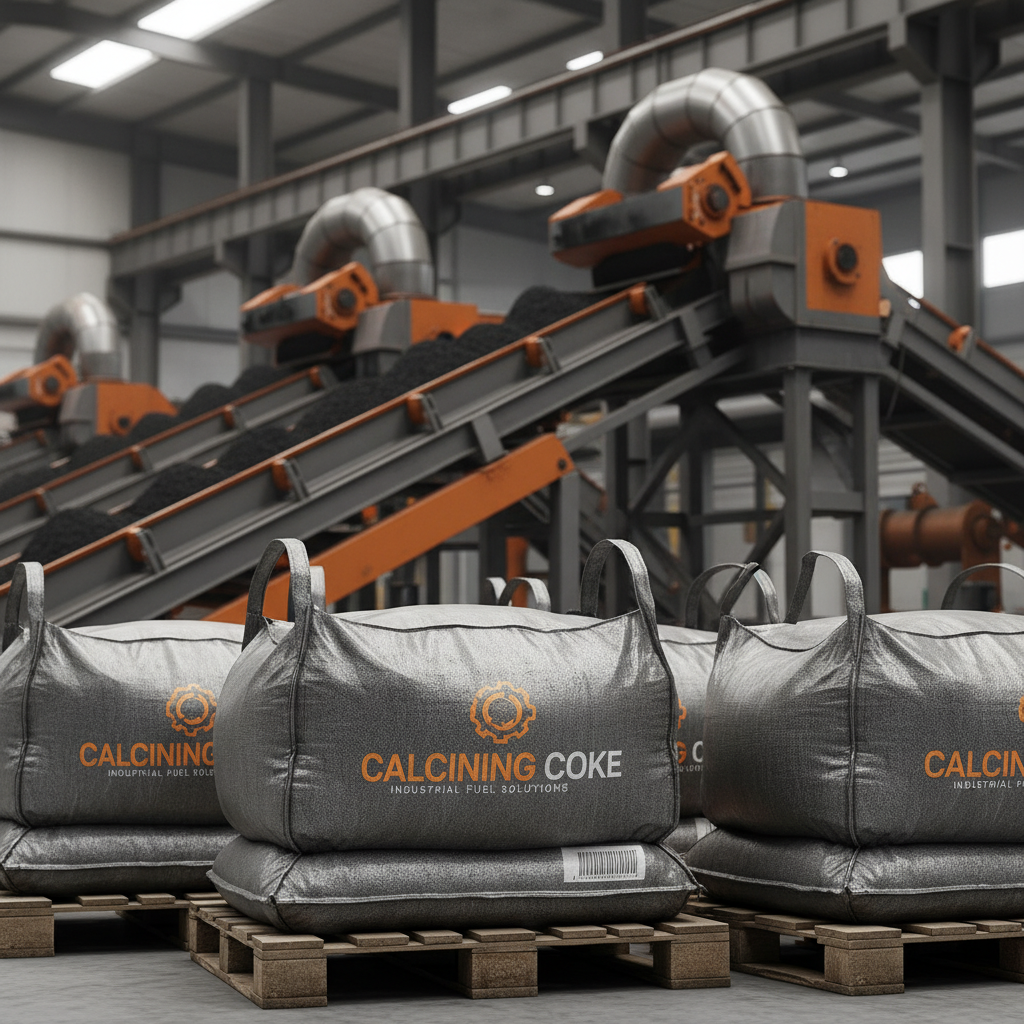
The production of calcining coke begins with green coke, a byproduct of coal coking. Green coke contains significant amounts of volatile matter, which needs to be removed to enhance its quality. The calcining process involves heating green coke in a closed retort or rotary kiln under controlled conditions, typically between 800°C and 1100°C, in the absence of oxygen. This process drives off the remaining volatile compounds, increasing the fixed carbon content, and improving the mechanical strength. The process is carefully monitored to control the final product's properties, such as carbon content, ash content, and volatile matter.
Key Properties of Calcining Coke
Several key properties define the quality and suitability of calcining coke for various applications. Fixed Carbon Content is a primary indicator of coke quality, typically ranging from 85% to 95%. Higher fixed carbon content results in improved reducing power. Ash Content, ideally kept low, impacts slag formation and can reduce the efficiency of metallurgical processes. Volatile Matter is minimized during calcining, contributing to stability. Moisture Content is also controlled, as excessive moisture can hinder performance. Finally, Mechanical Strength, measured by indices like Crush Strength and Abrasion Resistance, ensures the coke can withstand handling and transportation without breaking down.
Key Highlights: High fixed carbon content, low ash content, and excellent mechanical strength are crucial for optimal performance in metallurgical applications.
Calcining Coke Grades and Their Specifications
Calcining coke is categorized into different grades based on its properties and intended use. These grades are crucial to meet the specific requirements of diverse industrial processes. Here’s a breakdown of common grades and their typical specifications:
Applications of Calcining Coke Across Industries
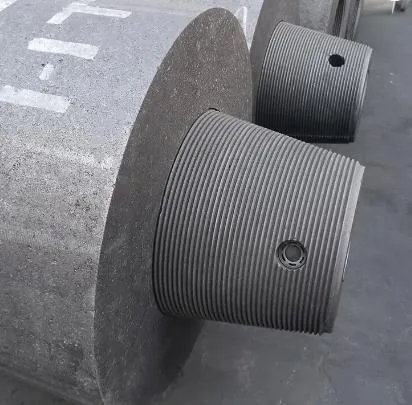
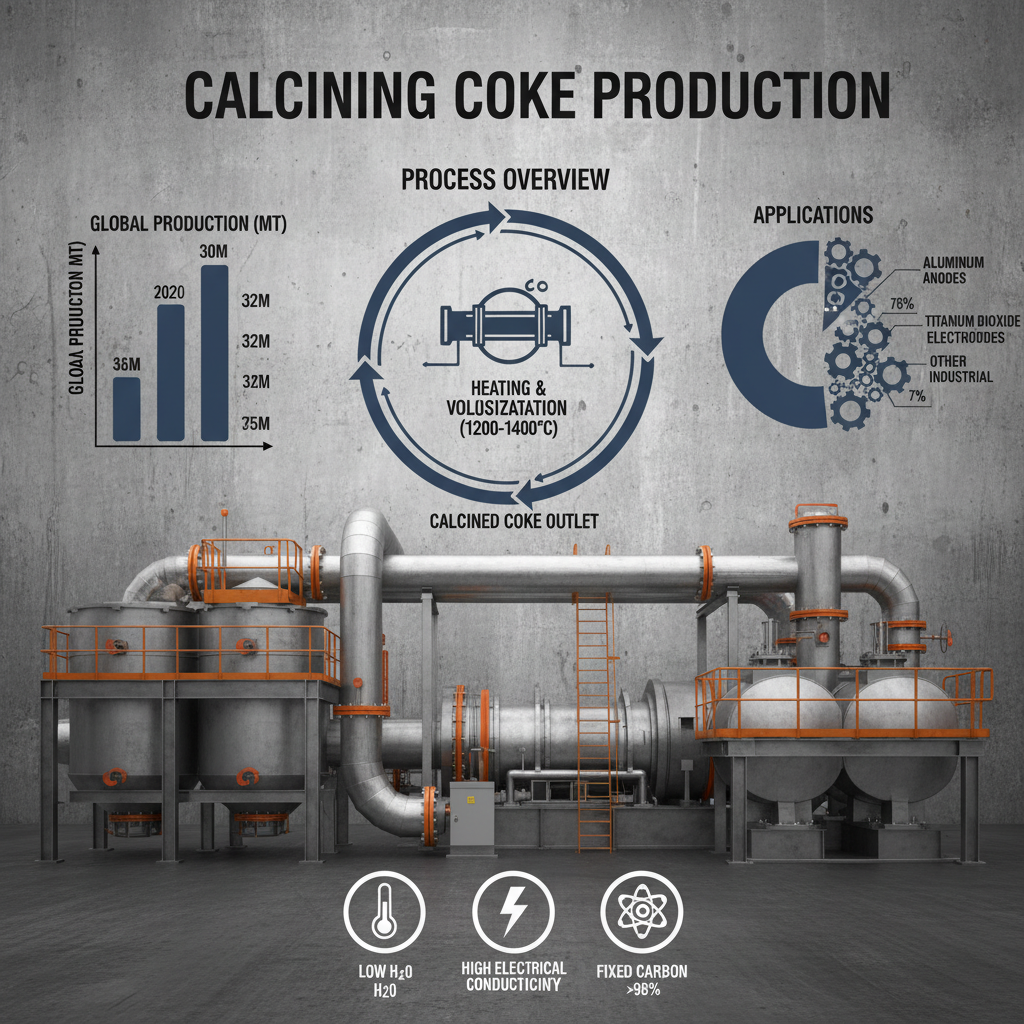
Calcining coke's primary application lies in the metallurgical industry, where it acts as a crucial reducing agent in smelting iron ore. It provides both the carbon for the reduction process and the necessary heat. Beyond iron and steel production, calcining coke is essential in the production of ferroalloys like ferromanganese, ferrosilicon, and ferrochromium. It's also used in the manufacturing of calcium carbide, a key ingredient in acetylene production. Additionally, it finds applications in the production of titanium dioxide and in the graphite electrode industry.
Choosing the Right Calcining Coke Supplier
Selecting a reliable calcining coke supplier is paramount for maintaining operational efficiency and product quality. Consider factors like consistent product quality, adherence to specifications, competitive pricing, and reliable delivery. A supplier with robust quality control processes and a commitment to sustainability is also highly desirable. NL Graphite offers high-quality calcining coke with consistent specifications, ensuring optimal performance in your applications.
Conclusion: The Importance of Calcining Coke in Modern Industry
Calcining coke is a vital component in numerous industrial processes, playing a critical role in metallurgical production and beyond. Understanding its properties, grades, and applications is essential for optimizing operations and ensuring quality. By partnering with a reliable supplier like NL Graphite, businesses can ensure a consistent supply of high-quality calcining coke, contributing to their success and sustainability.
Frequently Asked Questions (FAQs)
What is the difference between green coke and calcining coke?
Green coke is the raw byproduct of coal coking, containing substantial volatile matter and lower fixed carbon content. Calcining coke, on the other hand, is produced by heating green coke to remove these volatiles, significantly increasing its carbon content and improving its strength and stability. Essentially, calcining coke is a refined and improved version of green coke, making it suitable for demanding industrial applications like iron and steel production.
How does ash content impact the performance of calcining coke?
Ash content in calcining coke refers to the non-combustible inorganic residue remaining after complete combustion. Higher ash content reduces the effective carbon available for reducing reactions and contributes to slag formation, which can hinder the smelting process. Excess slag increases costs for removal and can also affect the efficiency of the operation. Therefore, lower ash content is generally preferred for optimal performance.
What safety precautions should be taken when handling calcining coke?
Calcining coke, while stable, can generate dust during handling and transportation. It's crucial to wear appropriate personal protective equipment (PPE), including dust masks, safety glasses, and gloves. Good ventilation is also essential to minimize dust inhalation. In addition, the material can be hot after the calcining process, requiring caution during handling to avoid burns. Following established safety protocols and guidelines is crucial for preventing accidents.
Is calcining coke considered an environmentally friendly material?
Calcining coke, as a byproduct of coal coking, presents environmental considerations. However, utilizing it effectively minimizes waste and recovers valuable carbon resources. Responsible suppliers prioritize minimizing emissions during the calcining process and managing waste products effectively. Sustainable practices, such as carbon capture technologies, are being explored to further reduce the environmental impact of calcining coke production.
 Pervious
 Next
Next